
Last updated November 25, 2026
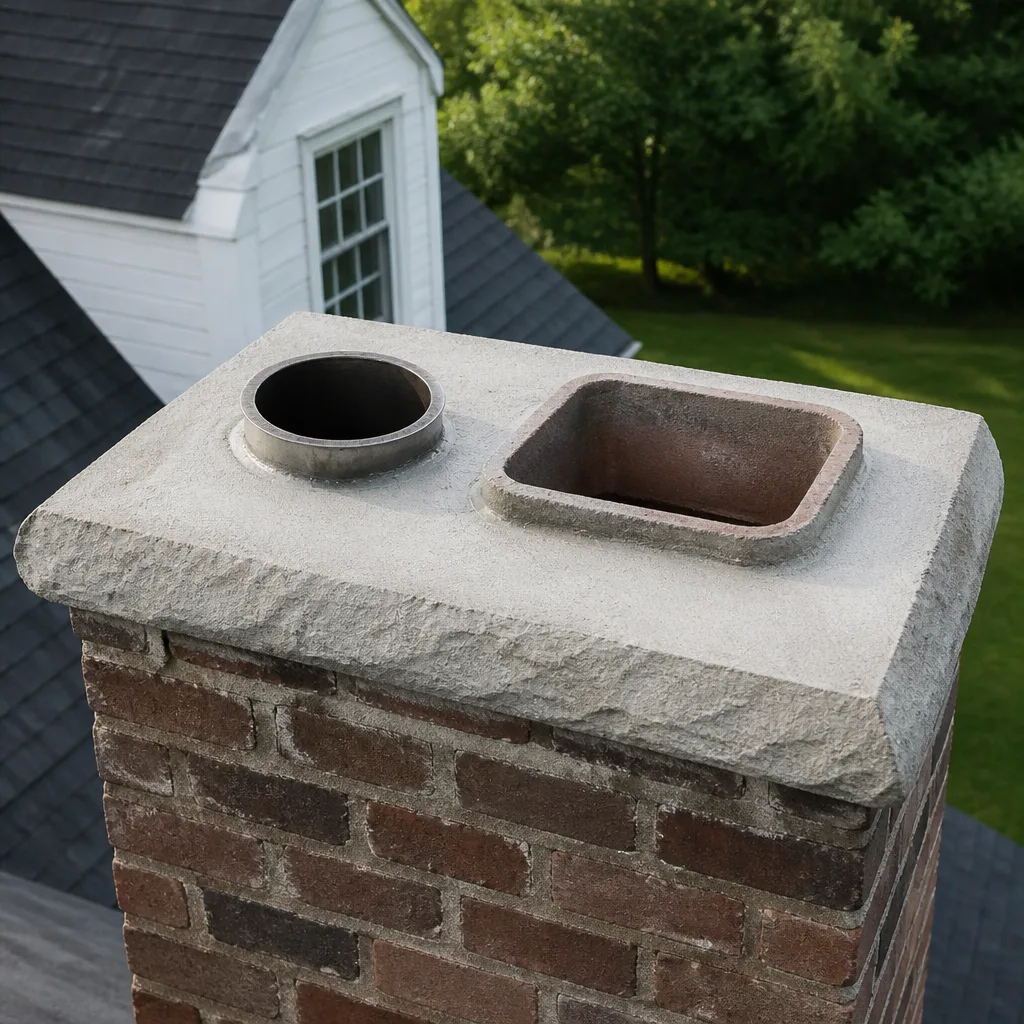 Sweep & inspection
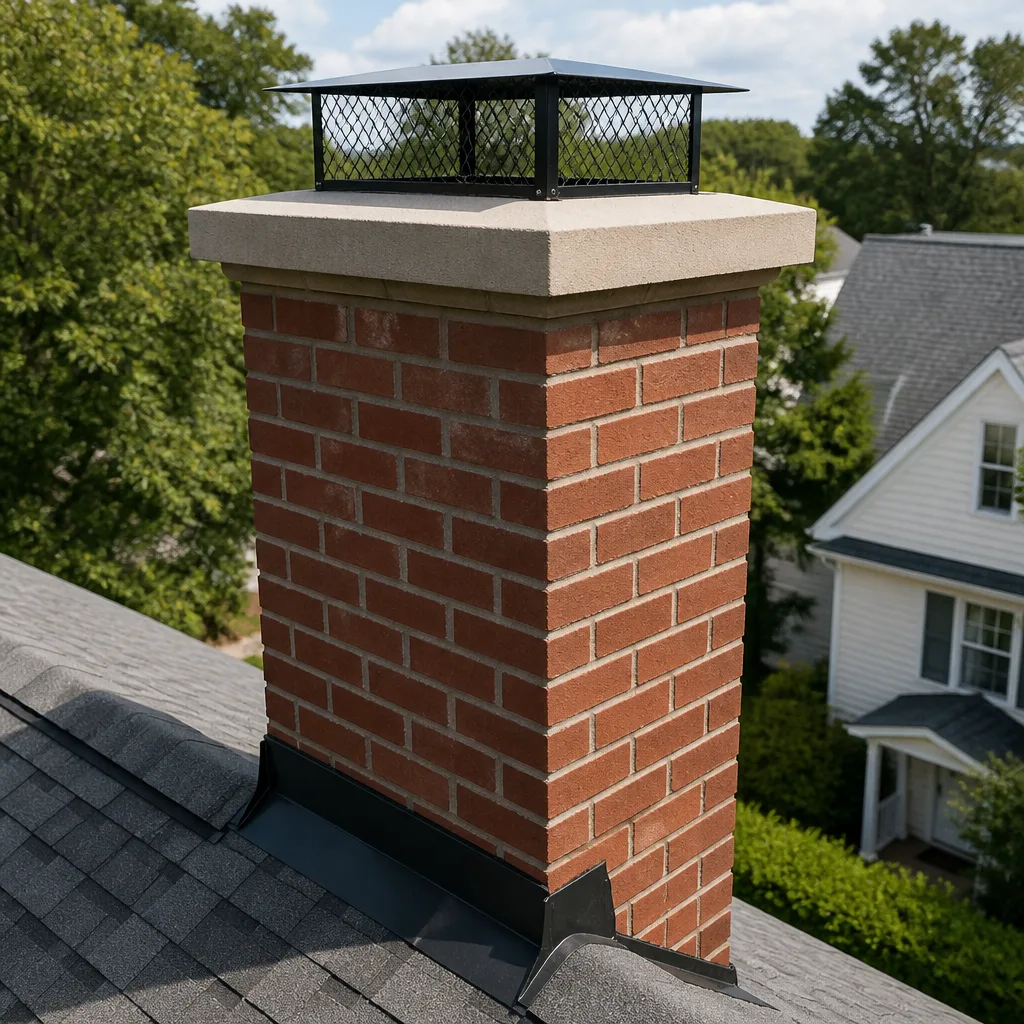 Caps & crowns
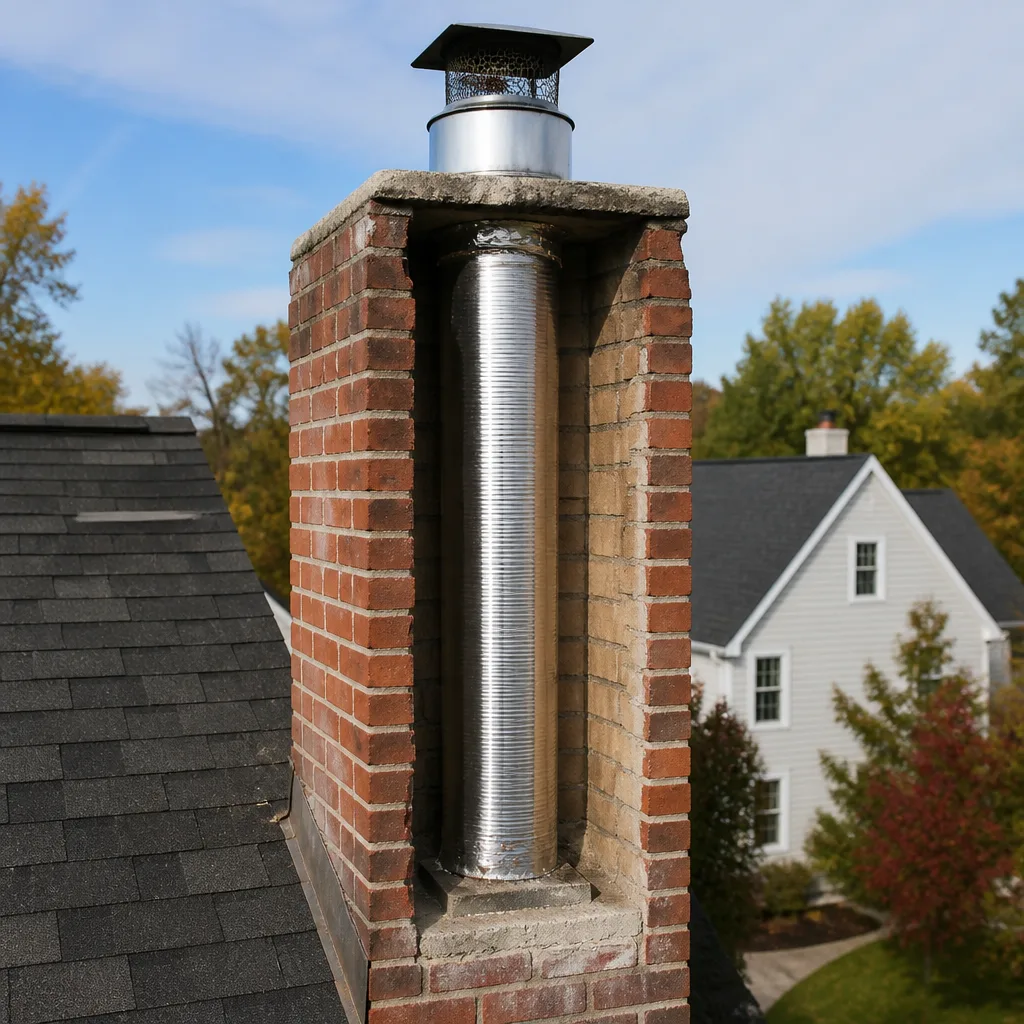 Flue relining
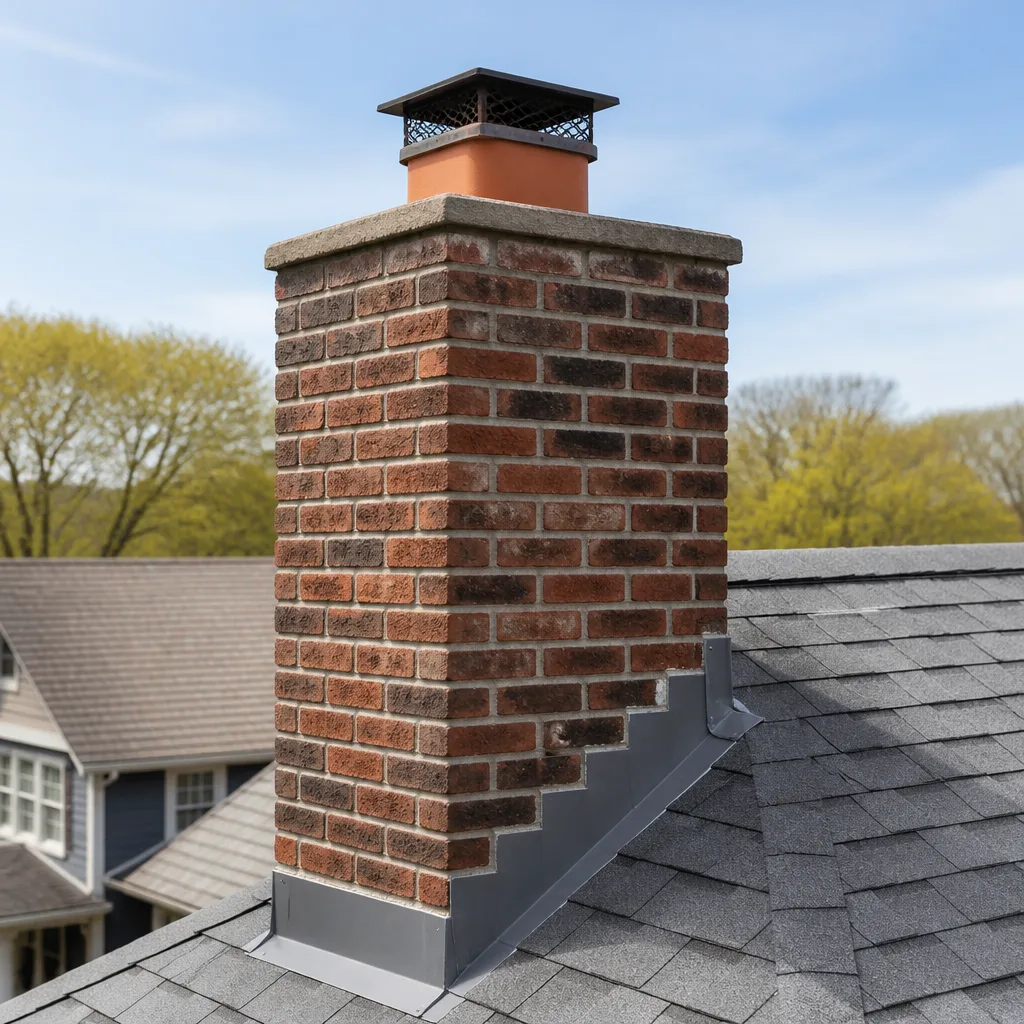 Masonry repair
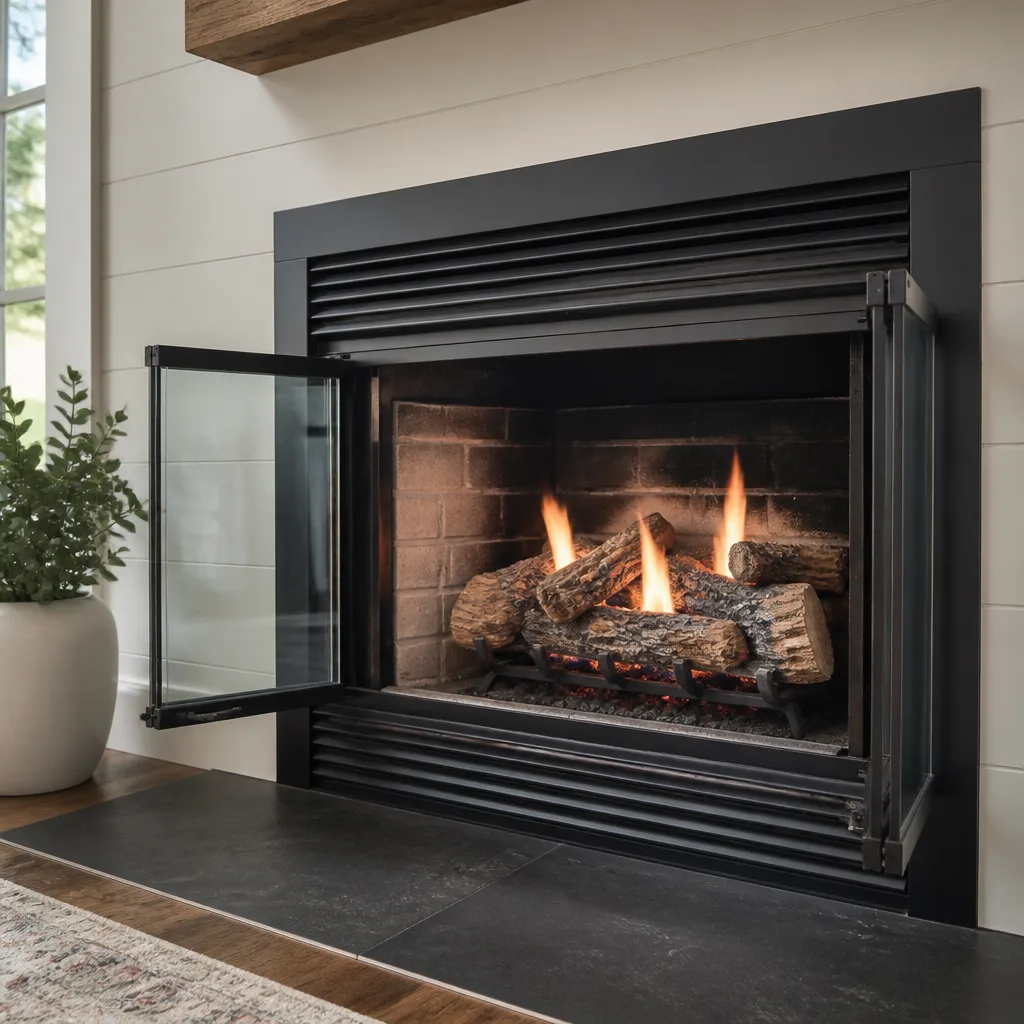 Gas fireplace service
Level 1 sweep and inspection to the NFPA 211 annual standard - flue, crown, cap, and flashing checked and photographed
Chimney sweep logs do not sweep chimneys. They loosen some creosote - which then falls where a brush and vacuum still have to collect it.
Chimney Sweep Maintenance Schedule: What to Do and When
The standard advice – have your chimney inspected annually – was written for the chimney as a whole, not for the parts that make it up. The cap, the crown, the liner, the flashing, and the exterior masonry each wear on their own schedule, and in Northgate’s wet winters some of them fall behind faster than others. Sweep once a year and call it done, and you’ll either over-service a firebox that’s fine or under-service a crown that’s quietly cracking. This guide breaks the schedule down part by part, so you know what needs yearly attention, what can go two or three seasons, and what to check yourself every quarter. We’re Chimney Sweep Northgate, and this is how we think about chimney maintenance.
Quick Answer
Sweep the flue when creosote builds to about 1/8 inch or once a year for light use, inspect the full system annually, check the cap and crown every year and repair as cracks appear, and inspect flashing and exterior masonry every one to three years. Heavy burners – more than two cords a season – should sweep based on creosote buildup, not the calendar. A pre-season inspection in late summer catches winter damage before you light the first fire.
Styles & brands we work with
- Sweep & inspection
- Caps & crowns
- Flue relining
- Masonry repair
- Gas fireplace service
Table of Contents
- Why “Once a Year” Isn’t Really a Schedule
- The Component-by-Component Calendar
- Burn Frequency Beats the Calendar for Heavy Users
- Pre-Season vs. Post-Season: Which Inspection Matters More?
- What You Can Check Yourself Every Quarter
- The Crown and Flashing Problem Nobody Checks
- How Northgate Weather Changes the Schedule
- When to Call a Professional
Why “Once a Year” Isn’t Really a Schedule
“Have your chimney inspected annually” is the advice you’ll hear everywhere, and it isn’t wrong. It’s just incomplete. That single recommendation treats a chimney as one object when it’s really seven or eight components stacked together, each exposed to different stresses and each degrading at a different rate.
Think about what actually happens over a burn season. The flue liner takes the heat and the creosote. The firebox takes the direct flame. The damper works a hinge every time you open it. The crown sits on top, absorbing rain and freeze-thaw cycles. The flashing seals where the chimney meets the roof. The exterior masonry handles everything the weather throws at it.
Each of these has its own wear cycle:
- Flue liner: creosote buildup drives the sweep interval; cracks and gaps drive the inspection interval.
- Firebox: mortar joints and firebrick degrade with heat cycling, checked during every sweep.
- Damper: hinge and seal wear, checked with every inspection, lubricated as needed.
- Crown: hairline cracks appear and widen with freeze-thaw, checked yearly.
- Cap: mesh and mounting, checked yearly, sometimes more if birds or wind are a problem.
- Flashing: sealant and metal, checked every one to three years depending on roof exposure.
- Exterior masonry: mortar joints and spalling, checked every one to three years.
Treating them all on the same annual cycle means you’re giving some parts redundant attention and others too little. At Chimney Sweep Northgate we build the schedule around what each component actually needs, which is the difference between a chimney that’s maintained and a chimney that’s just been swept.
The Component-by-Component Calendar
Here’s the schedule we recommend for a typical Northgate home burning one to two cords a season. Adjust the intervals up for heavier use and down for a fireplace that only sees a few fires a year.
Flue Liner
Sweep yearly for light use, more often for heavy use. Inspect the liner during every sweep – a trained eye can spot cracks, gaps, and deteriorated mortar joints in a clay tile liner before they become a hazard. If the clay tiles are damaged, liner resurfacing with HeatShield can restore the flue without a full tear-out, and a stainless liner from DuraFlex or Olympia Chimney is the option for a liner that’s beyond resurfacing. Resurfacing and relining are the two structural repairs we handle most often.
Firebox
Check mortar joints and firebrick during every sweep. Rebuild or repoint when joints are missing or firebrick is cracked. Firebox repair is the most common structural fix we do after a flue liner issue.
Damper
Inspect with every annual inspection. Lubricate the hinge and check the seal at the same time. A damper that won’t close tightly lets heated air escape the house in winter and lets cold air in when the fireplace is off.
Crown
Check yearly for cracks, spalling, and separation from the flue. Repair hairline cracks before they widen. Rebuild a crown that’s separating or has lost its slope. A crown that’s shedding water into the chimney chase is the leading cause of expensive damage.
Chimney Cap
Check yearly with the crown – look for rusted mesh, loose mounting, and blocked screens. Replace or repair as needed. The right cap keeps rain, animals, and debris out of the flue, and it protects the investment of every sweep.
Flashing
Inspect every one to three years depending on the roof and the exposure. Flashing fails at the sealant first, then at the metal. A leak at the flashing shows up as a stain on the ceiling or a damp patch in the attic, often months after the failure started.
Exterior Masonry
Inspect every one to three years. Tuck-point missing mortar, replace spalled brick, and check that the chimney is plumb. In Northgate’s wet winters, masonry that’s losing mortar absorbs water and grows worse each freeze-thaw cycle.
Here’s a simple summary table as a list, formatted for quick reference:
- Flue liner: sweep yearly or by creosote buildup; inspect every sweep.
- Firebox: check every sweep.
- Damper: check yearly.
- Crown: check yearly; rebuild if cracked or separating.
- Chimney cap: check yearly.
- Flashing: check every one to three years.
- Exterior masonry: check every one to three years.
Burn Frequency Beats the Calendar for Heavy Users
If you burn more than two cords of wood a season, the calendar is the wrong trigger for your sweep. Creosote buildup is what determines when you need to sweep, not the date on the wall. A household that burns three or four cords a year can build up 1/8 inch of creosote in a few months of steady burning, while a household that burns a half cord over the winter can safely stretch past a year between sweeps.
How to think about it in your own home:
- Light use (under one cord): annual sweep is usually fine.
- Moderate use (one to two cords): annual sweep, and check the flue mid-season if you burn hard in December and January.
- Heavy use (two or more cords): sweep when creosote reaches 1/8 inch, which may be twice a season.
- Wood stove vs. open fireplace: a modern wood stove with a well-insulated flue builds creosote more slowly than an open fireplace, but it still needs the same threshold check.
What you burn matters as much as how much. Seasoned hardwood, split and dried for a full year, produces less creosote than unseasoned wood or softwood. Green wood and smoldering fires are the two biggest contributors to fast buildup, and both are common in Northgate homes that buy wood in fall and burn it before it’s had time to dry.
The practical takeaway: keep a rough count of cords you burn each winter. If you’re over two, book a mid-season check-in alongside the annual sweep. If you’re under one, the annual schedule is enough.
Pre-Season vs. Post-Season: Which Inspection Matters More?
Both matter, but they catch different problems. A chimney sweep and inspection in late summer, before your first fire, catches damage that happened over the wet winter and spring and gives you time to repair it before cold weather. A post-season inspection, in early spring, catches creosote buildup from the season just finished and damage the burning itself caused.
For most Northgate homes, the pre-season inspection is the one to prioritize. Here’s why.
Northgate’s wet, cool winters put real stress on the chimney exterior. Water gets into hairline cracks in the crown and mortar over the wet months, then expands when temperatures dip below freezing, widening the cracks. By the time spring arrives, a crown that was fine in October has cracks that weren’t there. If you wait until fall to look at it, you’ve lost the dry months when that repair could have been done at a lower cost and with less pressure.
A late-summer inspection catches:
- Winter damage to the crown, flashing, and exterior masonry.
- Animal nests and debris in the flue from the off-season.
- Deteriorated mortar in the firebox from last season’s burning.
- Creosote loosened by summer humidity and settling in the flue.
- Cap and screen damage from spring and summer storms.
Post-season inspections are still worth doing, especially for heavy burners. They close the loop on the season and catch liner damage from heat cycling. If you can only do one a year, do the late-summer inspection. If you burn hard, do both.
What You Can Check Yourself Every Quarter
You don’t need to go on the roof to stay ahead of chimney problems. A quarterly walk-around inside the house and a look at the chimney from the ground catches most issues early, and it’s the habit that separates a well-maintained chimney from one that surprises its owner.
Once a quarter – pick a season-start date that works for you – check these:
- Firebox interior: look for loose or missing mortar between the firebricks. Run a coin or a screwdriver handle lightly along the joint; crumbly mortar needs a professional repoint.
- Damper operation: open and close it fully. It should move without grinding and should seal when closed. A damper that sticks is a sign to book an inspection.
- Creosote buildup: look up the flue with a flashlight. If you can see shiny, glassy, or flaky buildup more than 1/8 inch thick, it’s time to sweep.
- Cap from the ground: use binoculars from the yard. Look for a missing or rusted screen, a cap that’s tilted, or birds flying in and out.
- Crown from the ground: scan for visible cracks, missing chunks, or a crown that looks like it’s separating from the flue. Any of these warrant a professional look.
- Interior signs of water: watch for ceiling stains near the chimney, damp patches in the attic, or white efflorescence on the outside masonry – all signs of a flashing or crown leak.
- Smoke draw: the first fire of the season should draft well. A fireplace that smokes back into the room has a blockage or a draft problem that needs diagnosing.
None of these checks require tools or a ladder. They’re the low-effort habit that catches small problems before they become structural ones. If any of them turns up something, don’t guess. Book a professional inspection.
The Crown and Flashing Problem Nobody Checks
Crowns and flashing are the two components most often skipped between sweeps, and skipping them is the single biggest cause of expensive liner damage we see in Northgate. Here’s the logic: a crown or flashing leak lets water into the chimney chase. That water soaks into the masonry and the clay tile liner. Over a winter of freeze-thaw cycles, that soaked liner – already weakened by heat cycling from burning – starts to crack. By the time the leak shows up as a stain on your ceiling, the flue liner is already damaged and you’re looking at resurfacing or relining instead of a crown or flashing repair.
The cost difference is enormous:
- Crown repair or rebuild: a modest, predictable repair done before the leak spreads.
- Crown plus flashing repair: a little more, still contained.
- Liner resurfacing (HeatShield): the cost of letting water in for a season or two.
- Full stainless reline (DuraFlex or Olympia Chimney): the cost of letting water in for multiple seasons, or of a fire event.
- Firebox and crown rebuild: the cost of structural failure.
In Northgate’s wet winters, the crown problem is amplified. The wet season runs long enough that water entering through a hairline crack has months to work its way into the masonry before the next dry period. That’s why we check the crown and cap with every sweep – a five-minute look catches a problem early. Our chimney cap & crown service exists for exactly this reason.
Flashing fails on a similar timeline but hides better. The sealant behind the flashing dries out every few years and lets water slip behind the metal. Checking it means lifting the edge of the flashing to look at the seal – which is a professional job, not a homeowner one. If you can’t remember the last time your flashing was checked, it’s overdue.
How Northgate Weather Changes the Schedule
Northgate’s climate – wet, cool, and long on the shoulder seasons – shapes the schedule in a few specific ways.
First, the wet season is long. That means the exterior components – crown, flashing, and masonry – face more water than they would in a drier climate. The fix isn’t to check them more often than the schedule above; it’s to never skip the yearly exterior check and to repair cracks as soon as they appear instead of waiting for the next inspection cycle.
Second, the shoulder seasons matter. A cold snap in October can crack a crown that was fine in September, and a warm, dry window in February is often the best time to get exterior repairs done because the masonry is dry enough to work with. That argues for a late-summer inspection as the primary one, with a spring follow-up for heavy burners.
Third, the burn season is long enough in Northgate that heavy users often get into creosote territory faster than they expect. The house might burn from October through April, and that’s a lot of fires. If you’re on the heavy side of the usage table, the creosote-based schedule is the one to follow, not the calendar.
Fourth, the housing stock in Northgate includes older homes with clay tile liners that have been through many heating seasons. A clay tile liner that was fine ten years ago may be showing cracks and gaps now. That’s the case for HeatShield liner resurfacing – it restores a damaged clay tile liner from the inside without tearing into the chimney structure, and it’s the repair most sweep-only operators can’t do. If your inspection turns up a compromised clay tile liner, resurfacing is often the right first option; if the damage is too deep, a DuraFlex or Olympia Chimney stainless liner is the replacement route.
See the difference
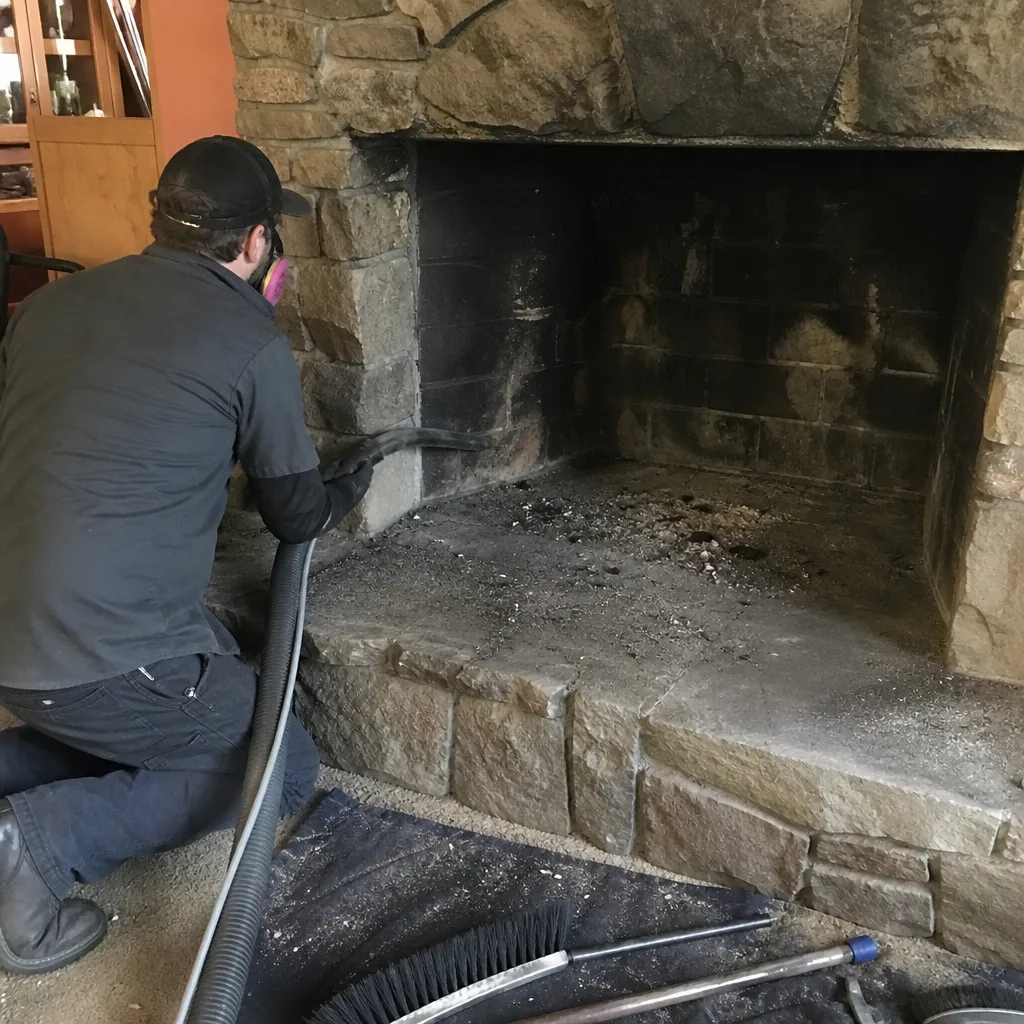 Before
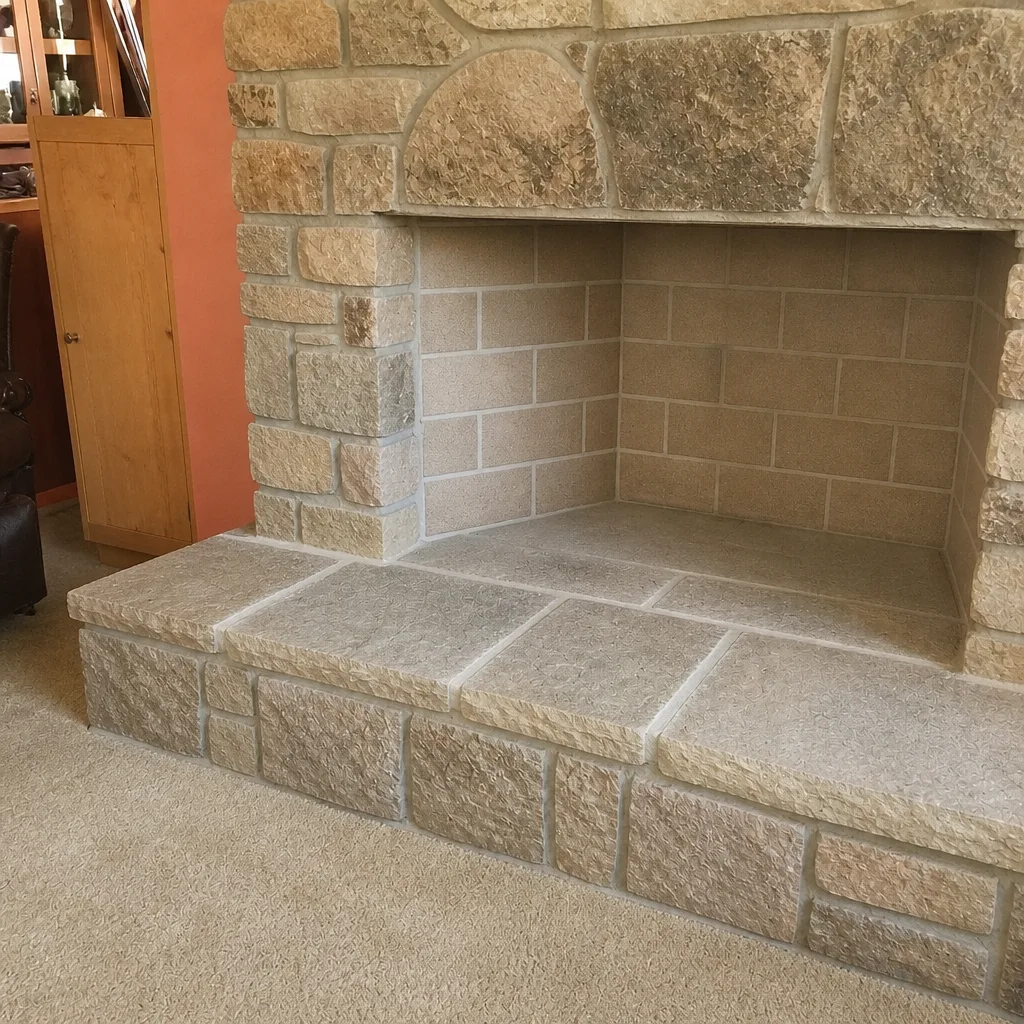 After
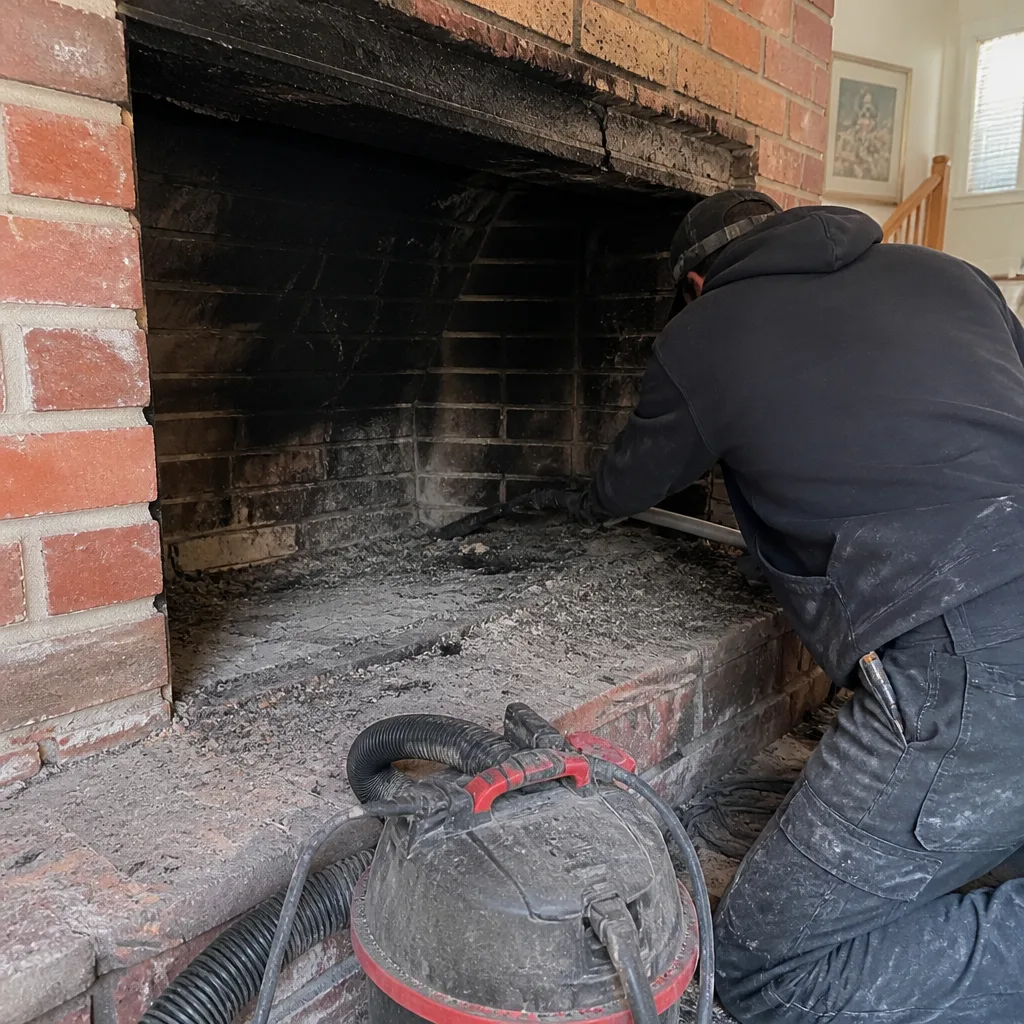 Before
 After
 Before
 After
Common Mistakes to Avoid
- Treating “inspect annually” as “sweep annually and nothing else.” An annual inspection should cover the cap, crown, flashing, and exterior masonry, not just the flue. If your last inspection was just a sweep, it wasn’t a full inspection.
- Waiting for a ceiling stain before checking the crown. By the time water shows up inside, the liner is usually already compromised. Catch the crown crack months earlier and you’re looking at a small repair instead of a reline.
- Sweeping on the calendar instead of the creosote check. If you burn three cords a season, an annual sweep isn’t often enough. If you burn a half cord, it might be more than you need. Follow the buildup, not the date.
- Skipping the post-season look after a heavy burning winter. A season of steady burning puts real stress on the liner. Closing the loop in spring catches liner cracks before they matter.
- Ignoring a crown that’s “just a hairline.” In Northgate’s wet winters, hairline cracks grow every freeze-thaw. A crown you’d not notice in July is a crown you can’t ignore in January.
- Replacing the cap without fixing the crown, or vice versa. They fail together often enough that a good inspector checks both every time. Fixing one and leaving the other means the leak finds the path of least resistance.
- Hiring a general handyman for the full scope. A sweep-only operator may not handle crown rebuilds, cap replacement, or HeatShield resurfacing. When an inspection turns up structural work, you want it done by someone who does it every week, not subbed out to a roofer or mason.
When to Call a Professional
Some chimney work is a homeowner’s job – the quarterly checks above – and some needs a trained eye and the right tools. Call a professional when:
- You see creosote more than 1/8 inch thick in the flue.
- The firebox has loose or missing mortar, or a cracked firebrick.
- The crown has visible cracks, missing chunks, or separation from the flue.
- The flashing is showing rust, sealant failure, or a leak into the attic or ceiling.
- The cap is loose, rusted, or missing its screen.
- The fireplace smokes back into the room on first light.
- Your last inspection was more than a year ago, or you can’t remember when it was.
At Chimney Sweep Northgate we offer free estimates and a full-range service from sweeping through repair, so a single visit can cover the inspection and any follow-up work. Our technicians have up to 10 years of experience, and we use the materials chimney professionals specify – DuraFlex liners, HeatShield resurfacing, and Copperfield and Olympia Chimney components. We also handle fireplace repair when the firebox needs work beyond a cleanup. If a sweep turns up structural damage, you won’t need a second contractor.
Call (855) 715-0663. We answer 24/7. Fast dispatch from 7am to 7pm, Sunday through Friday.
Frequently Asked Questions
Sweep a chimney once a year for light use, and more often for heavy use – typically when creosote buildup reaches 1/8 inch, which for a household burning two or more cords a season can mean twice a season. The calendar is a starting point; creosote buildup is the real trigger. Call (855) 715-0663 for an exact quote – estimates are free.
A sweep removes creosote and debris from the flue; an inspection assesses the full chimney system – liner, firebox, damper, crown, cap, flashing, and exterior masonry – for damage and safety issues. They’re separate services, and a proper annual inspection covers all the components, not just the flue. We offer inspections as a standalone service so you can get an objective safety assessment before or after any cleaning. Call (855) 715-0663 to book one.
For most Northgate homes, the late-summer inspection before the burn season is the more important one because it catches winter and spring damage before you light the first fire. Heavy burners should also get a spring post-season look to catch issues from the season just finished. Call (855) 715-0663 for an exact quote – estimates are free.
Shine a flashlight up the flue and look for shiny, glassy, or flaky deposits. If they’re more than 1/8 inch thick, it’s time to sweep. You can also run a gloved hand inside the firebox; if it comes away sooty and sticky, you’re building up faster than you should. Call (855) 715-0663 for an exact quote – estimates are free.
No. Crown and flashing are the two components most often skipped between sweeps, and skipping them is the leading cause of expensive liner damage in Northgate. Hairline crown cracks and slow flashing leaks let water into the chase over the wet winter, and by the time you see a stain inside, the liner is often already compromised. Call (855) 715-0663 for an exact quote – estimates are free.
A proper maintenance visit covers sweeping the flue based on creosote buildup, inspecting the liner, firebox, damper, crown, cap, flashing, and exterior masonry, and identifying any repairs needed. We tell you what we find, explain what it means, and fix it with materials built for the job – DuraFlex liners, HeatShield resurfacing, Copperfield and Olympia Chimney components. Call (855) 715-0663 for an exact quote – estimates are free.
The Bottom Line
A chimney maintenance schedule isn’t one task, it’s a calendar per component. Sweep based on creosote buildup – especially if you burn more than two cords a season – rather than the calendar alone. Check the crown, cap, flashing, and exterior masonry every year or two, and don’t skip them between sweeps, because that’s how water gets into the liner. Do the quarterly walk-around checks yourself and call a professional when anything turns up. A late-summer inspection catches winter damage before the burn season, and following the component schedule costs less than fixing what skipping it breaks. If you’d like a free estimate on a full maintenance visit anywhere in Northgate, call (855) 715-0663. We answer 24/7. Fast dispatch from 7am to 7pm, Sunday through Friday.
Written by the team at Chimney Sweep Northgate.