
Last updated November 25, 2026
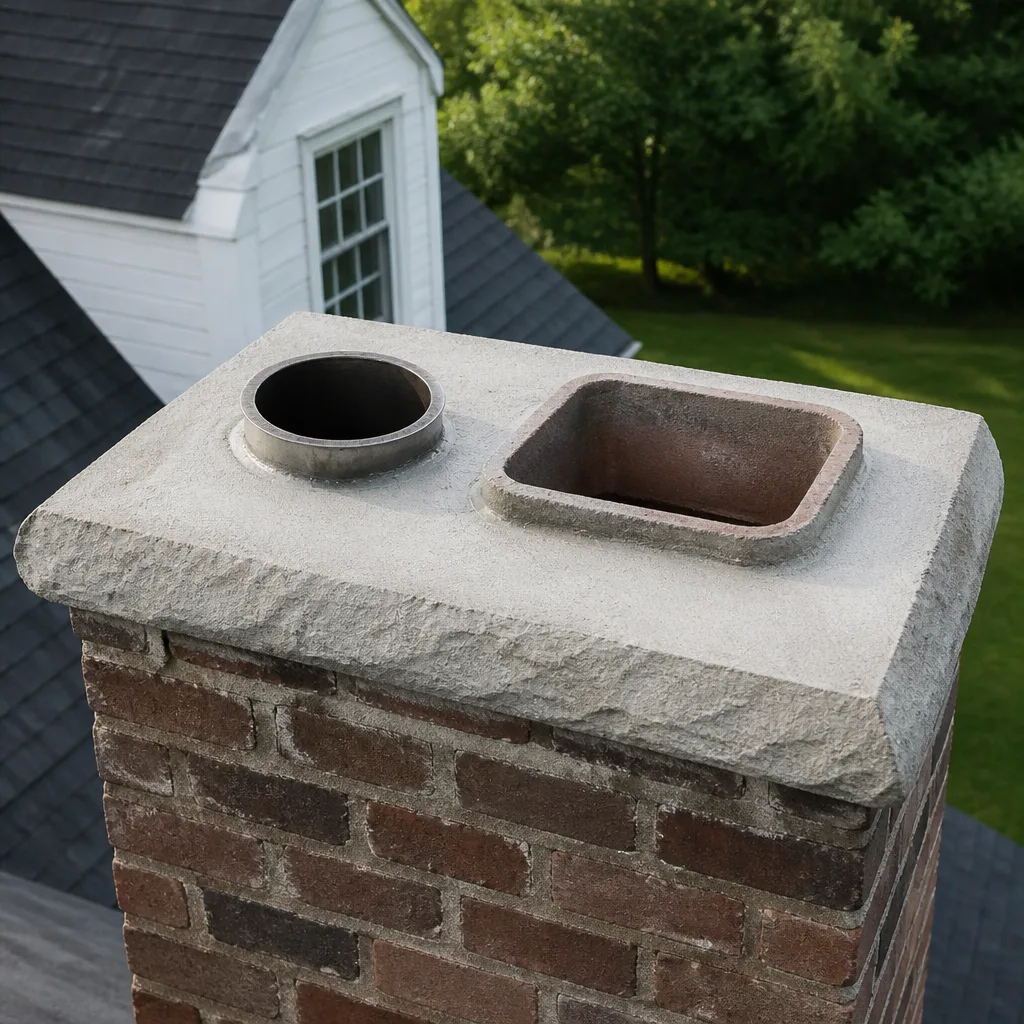 Sweep & inspection
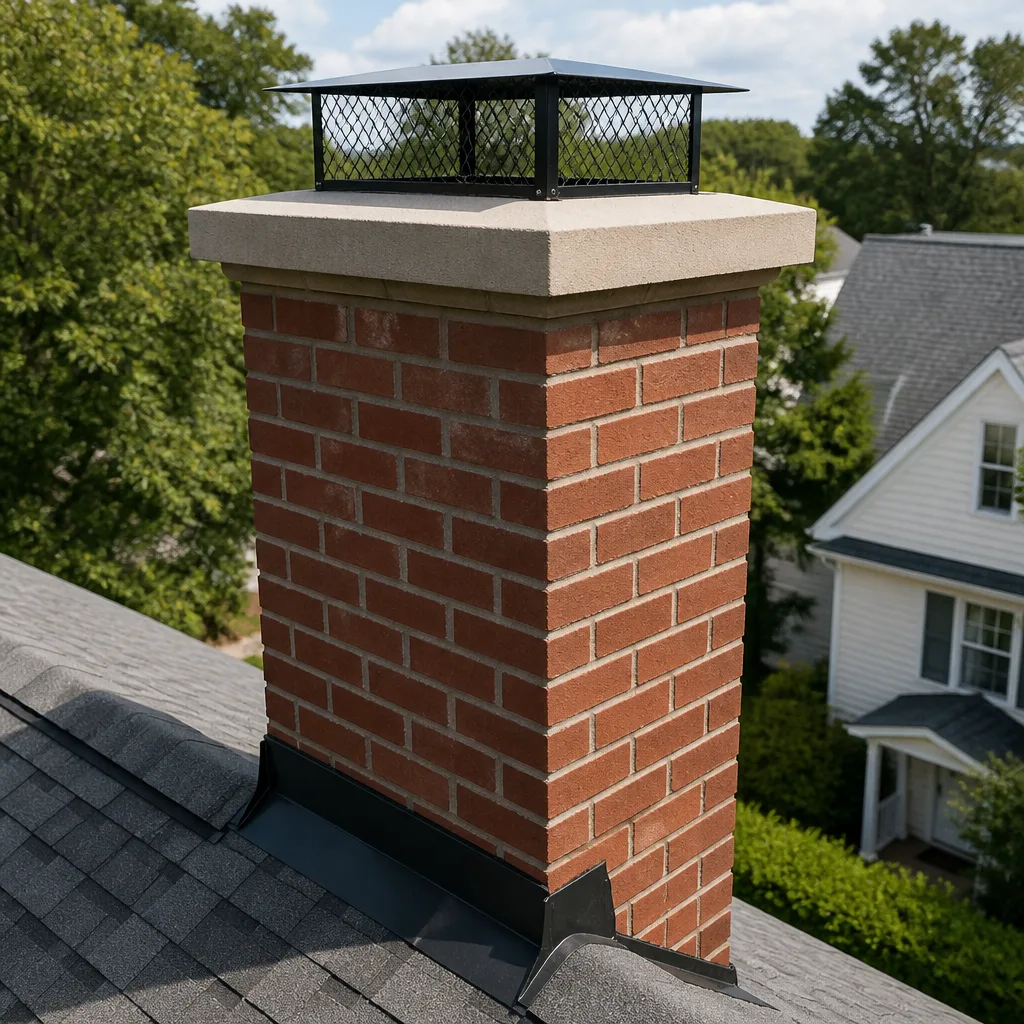 Caps & crowns
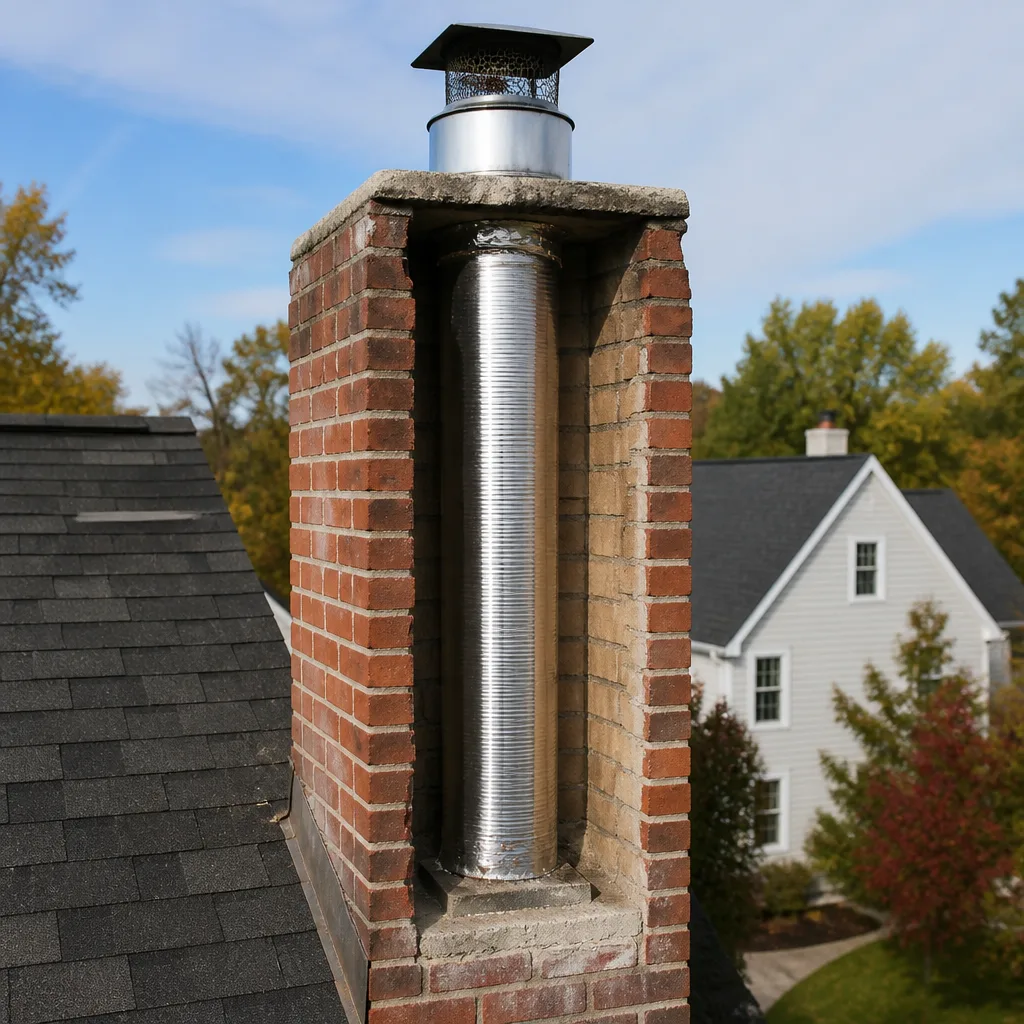 Flue relining
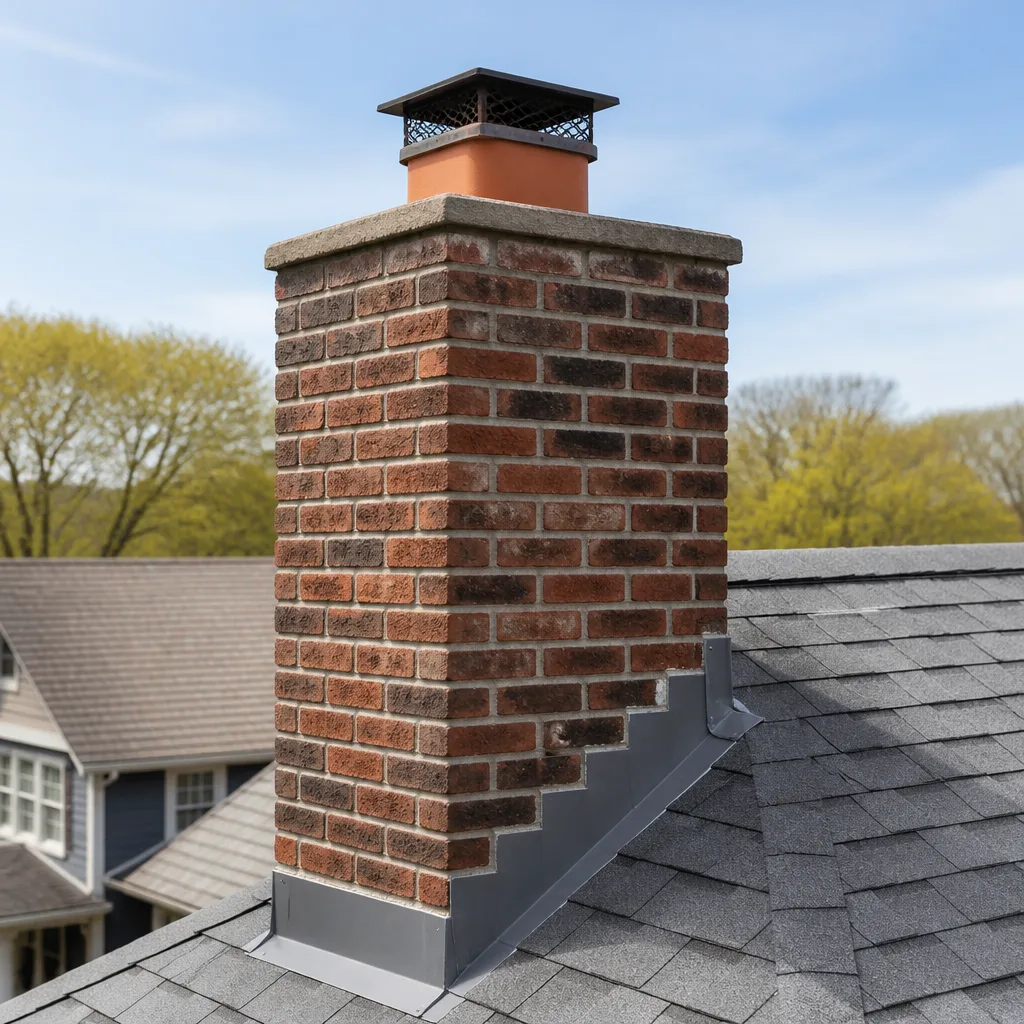 Masonry repair
 Gas fireplace service
Level 1 sweep and inspection to the NFPA 211 annual standard - flue, crown, cap, and flashing checked and photographed
Chimney sweep logs do not sweep chimneys. They loosen some creosote - which then falls where a brush and vacuum still have to collect it.
The Complete Guide to Chimney Cleaning in Northgate
Most chimney fires don’t start during a roaring December fire. They start in October, in a chimney that sat damp and unchecked all summer while creosote quietly hardened into its most combustible form. That’s not a scare tactic, it’s simple chemistry. Here in Northgate, where wet weather hangs around for months and roofs stay slick well into spring, the conditions that turn a light soot layer into a stubborn, flammable glaze show up faster than most homeowners expect. This guide walks through what chimney cleaning actually involves in Northgate, why the local climate changes the schedule, and how to tell a real cleaning from a quick brush-and-go.
Quick Answer
Chimney cleaning in Northgate means removing soot and creosote from the flue and firebox, checking the liner and cap for damage, and documenting what the technician found. Because Northgate’s wet climate pushes creosote toward its hardest, most flammable stage faster than in dry regions, most wood-burning chimneys here should be cleaned and inspected once a year, ideally before the heating season starts. A full cleaning is not the same as a basic sweep: the liner assessment, cap and crown check, and a written report are what make it worth doing.
Styles & brands we work with
- Sweep & inspection
- Caps & crowns
- Flue relining
- Masonry repair
- Gas fireplace service
Table of Contents
- Why Northgate Chimneys Face Conditions Generic Guides Ignore
- How Creosote Moves Through Three Stages (And Why Rain Speeds It Up)
- What a Full-Feature Chimney Cleaning Includes
- The Tools and Techniques You Can’t Replicate With a Consumer Brush
- Why Liner Condition Gets Assessed During Every Cleaning
- How a Chimney Cleaning Appointment Actually Goes
- How to Read a Post-Cleaning Report
- How Often Should You Schedule Cleaning in Northgate?
Why Northgate Chimneys Face Conditions Generic Guides Ignore
Chimney cleaning advice written for a dry, cold climate doesn’t map cleanly onto Northgate. The difference isn’t dramatic, but it’s real, and it changes both how often you should book and what the technician is looking for when they arrive.
Northgate sits in a part of Washington where rain is a steady presence across fall, winter, and spring, and where summer humidity doesn’t always burn off the way it does inland. That moisture interacts with a chimney in ways a homeowner rarely sees from the living room. Wood that isn’t fully seasoned smolders more than it burns, and smoldering produces cooler smoke. Cooler smoke condenses on the flue walls faster than hot smoke does, and the condensation carries the tars and unburned particles that become creosote.
Then there’s the shoulder season. In Northgate, the stretch between the last spring fire and the first fall fire can be long and damp. A chimney that was swept clean in March sits through months of drizzle and humid air before anyone lights a match again. Any creosote residue the last sweeping left behind has time to absorb moisture, soften, and then re-harden into a denser deposit as the season changes. That cycle repeats each year unless the flue is properly cleaned.
What this means in practice:
- Creosote buildup here tends to progress faster than the “clean once every year or two” advice you’ll find on general home-maintenance sites.
- The glaze layer that forms in damp conditions is harder to remove, which is why a thorough cleaning matters more than a frequent light one.
- Roof and cap damage from wet weather is a bigger part of the local picture than in dry regions, because water intrusion is a leading cause of liner and masonry deterioration.
- Chimneys on the north side of a Northgate home, shaded from the sun and slower to dry out after rain, tend to hold moisture longer than a sun-exposed chimney on the same street.
None of that means every chimney in Northgate is in trouble. It means the local conditions reward a proper, documented cleaning and punish the habit of skipping a season. The full range of services that keeps a chimney in shape here, from chimney sweep work through structural repair, is built around that reality.
How Creosote Moves Through Three Stages (And Why Rain Speeds It Up)
Creosote is the residue left behind when wood smoke cools on its way up a flue. It’s not one substance; it changes as it accumulates, and understanding those stages explains why chimney cleaning isn’t a simple “remove soot” job. The three stages below are the working vocabulary any qualified technician uses, and they’re worth knowing when you get your report.
Stage 1: Soot and light flaky deposit
Stage 1 creosote is the dusty, flaky, powdery layer you can sometimes scrape with a finger. It’s the easiest to remove and the least risky. Most chimneys that are cleaned on a reasonable schedule never advance far beyond this stage on the visible upper flue. It comes off with standard brushing and a proper vacuum.
Stage 2: Crusty, hardened deposit
Stage 2 creosote is darker, harder, and clings to the flue wall in crusts or brittle flakes. It can still be brushed away, though it takes more work and better brushes. This is where neglect starts to show. A chimney that skips a season in a wet climate often lands here, and it’s the stage where homeowners first notice the fire drawing poorly.
Stage 3: Glazed, tar-like buildup
Stage 3 creosote looks like hardened tar or dark glass fused to the flue wall. It’s dense, fuel-rich, and the most combustible form creosote takes. It doesn’t come off with a brush. Removing it takes specialized tools and often a chemical treatment, and if the flue liner has been damaged in the process, it needs structural attention.
Why rain accelerates the transition
In a dry climate, creosote can linger at Stage 1 for a long time. In Northgate, moisture changes the timeline. Damp creosote absorbs water and swells, then dries into a harder, denser layer. Repeated wet-dry cycles push the deposit up the ladder faster. Add a woodpile that wasn’t fully seasoned before the first fall fire, and the smoke that carries the most unburned material goes up a flue that’s already coated. The result is a chimney that reaches Stage 2 or Stage 3 in fewer seasons than a homeowner expects.
The practical takeaway:
- Stage 1 gets swept. Quick, routine, low-risk.
- Stage 2 gets swept with the right brushes and a closer look at the flue.
- Stage 3 may need chemical treatment and a liner assessment, and it’s the stage that most often leads to repair work rather than just cleaning.
The stage your chimney reached is the single biggest factor in how the cleaning is done and what it costs. That’s also why guesswork doesn’t work here; a technician has to look.
What a Full-Feature Chimney Cleaning Includes
A lot of “chimney cleaning” services are really just a brush down the flue and a shop vac pass around the hearth. That covers part of the job. A full cleaning covers the parts that keep the chimney safe between visits. Here’s the honest breakdown, with no upsell gloss.
What a basic sweep covers
- Removal of loose soot and Stage 1 creosote from the flue.
- A quick pass over the firebox floor.
- Some light cleanup around the hearth.
What a full cleaning adds
- Creosote removal to the level it actually reached. If the deposit is Stage 2 or Stage 3, the cleaning uses the tools and treatments those stages require, not a one-size brush.
- A visual check of the liner from top to bottom. Flue tiles, mortar joints, and any gaps or cracks show up here. This is not an optional add-on; it’s how you learn whether the flue is still containing smoke and heat the way it’s supposed to.
- A chimney cap and crown check. Caps keep rain, birds, and debris out. Crowns shed water away from the masonry. Damage to either lets water into the chimney, and water is a leading cause of liner breakdown. Our chimney cap & crown work starts with this inspection.
- A firebox and damper assessment. Damper operation, firebox cracks, and the condition of the fireplace opening all affect how the fire burns and where smoke goes. When repair is needed, it’s part of fireplace repair, handled alongside the cleaning rather than as a separate contractor visit.
- Photographs and a written summary. A cleaning you can’t document is a cleaning you can’t verify. More on that below.
The reason these belong together is simple: a cleaning is the moment the inside of the chimney is visible. Skipping the assessment during a cleaning means you don’t learn what the flue looks like until the next time it’s opened up, and by then a small problem has had another season to grow.
The Tools and Techniques You Can’t Replicate With a Consumer Brush
A homeowner can buy a brush, a rod, and a shop vac at a hardware store. That’s a real starting kit, and there’s nothing wrong with it for light dusting. But consumer tools hit their limit fast in Northgate, and it’s worth understanding exactly where.
Professional chimney sweeping uses:
- Rotary and power-brush heads that spin against the flue wall, rather than scrubbing along it, to break up crusted deposits a whip brush slides past.
- Flexible rods in professional lengths that follow a flue’s bends and offsets without snapping or tearing at the liner, which thin consumer rods can do.
- HEPA-filtered vacuum systems that pull soot into a sealed chamber. A shop vac pushes fine soot back into the room air, and soot is not something you want settling on every surface in the house.
- Chemical creosote removers for Stage 3 glaze, applied in controlled amounts with proper ventilation and protective equipment.
- Inspection cameras for sections of flue that can’t be seen directly, especially in older chimneys with offsets or damaged tiles.
There’s also the physical side. A rooftop cleaning means working at height, in wet weather, on a roof that gets slick. That’s a job for a trained technician with the right harnesses and a second person on the ground. It’s not a weekend project, and it’s not a place where saving money on a tool pays off.
The technique matters as much as the equipment. A rotary brush run too aggressively on a fragile clay tile liner can crack it. A cleaning that skips the smoke chamber because the flue floor is awkward to reach leaves the most sensitive part of the system half-done. Knowing how hard to push, and where to stop, is the part that comes from training and experience. Our technicians have up to 10 years of experience, and that shows most in the parts of the job that don’t look like much from the outside.
If a consumer brush actually removed everything, this guide would be shorter. In a wet-climate market like Northgate, it rarely does.
Why Liner Condition Gets Assessed During Every Cleaning
The flue liner is the layer between your fire and the structure of the house. On a masonry chimney, it’s usually clay tile; on a newer or retrofitted chimney, it may be a stainless steel liner. Either way, it’s doing more work than most homeowners think about. It contains heat, directs smoke, and keeps the combustion byproducts away from the wood framing that sits close to the chimney’s exterior.
When a liner cracks, a gap opens between the flue and the structure around it. Heat and smoke travel into places they shouldn’t. It’s the kind of problem you can’t see from the hearth and can’t smell until it’s well advanced. That’s why liner assessment belongs inside the cleaning, not as an optional inspection sold separately. The cleaning is the one time in the year the whole flue is open and visible, and passing that moment without a proper look is a missed opportunity at best, a hazard at worst.
What the technician is checking for:
- Cracks, gaps, and spalled tile surfaces.
- Deteriorated mortar joints between tiles.
- Signs of water intrusion, like staining or efflorescence on the masonry.
- Missing or damaged sections, especially near the top where weather exposure is greatest.
- Whether the liner is properly sized to the appliance it serves.
When the assessment finds damage, there are real options. Minor flue damage on a clay tile liner can sometimes be resurfaced rather than rebuilt. HeatShield is a resurfacing system used by certified chimney professionals to restore a damaged clay tile flue from the inside, and it’s a service most sweep-only operators don’t offer because it’s structural work. For full relining, DuraFlex stainless liners are a professional-grade standard, and they’re what we choose when a flue can’t be safely restored. The point isn’t to sell a liner; it’s to explain what the options are once a problem is actually documented.
A properly assessed liner is what tells you whether your chimney is still containing fire the way it was built to. After a cleaning, the flue is clean, the liner is checked, the cap and crown are verified, and the fireplace itself is in working order. That’s the full arc of chimney care, and it’s what a full-service cleaning is designed for.
How a Chimney Cleaning Appointment Actually Goes
Expecting a technician to arrive without knowing what happens next is a common source of anxiety. A real cleaning is methodical, and knowing the sequence helps you get value out of the visit rather than just watching the clock. Here’s what a typical cleaning appointment looks like in a Northgate home.
- Walk-through and setup. The technician confirms which appliance you use (open fireplace, wood stove, insert) and how often. Drop cloths and the vacuum go down before anything opens up, so soot stays contained.
- Firebox and damper check. The fireplace opening, damper, and smoke chamber get a look before the flue is brushed. This tells the technician what kind of deposit to expect further up.
- Flue cleaning. Brushes and rotary tools run from the firebox up or from the roof down, depending on the chimney’s layout. The choice depends on access, liner type, and deposit stage, not preference.
- Deposit assessment. As the creosote comes off, the technician identifies the stage and notes anything the deposit was hiding, including liner damage.
- Cap and crown inspection from the roof. The top of the chimney gets checked for rain intrusion, loose mortar, and animal or debris blockage.
- Fireplace and damper cleaning. The firebox floor, glass (if any), and damper are cleaned and checked for operation.
- Report and documentation. Before leaving, the technician walks you through what was found, with photos where relevant, and explains what’s urgent and what can wait.
In Northgate, a cleaning done in the shoulder season often finds the deposit stage more advanced than the homeowner expected, because of the moisture issue covered earlier. That’s useful information, not a pressure tactic. If the flue is in good shape and only needed a standard cleaning, a good technician says so plainly. If something needs repair, a good technician shows you the photo and explains why.
Book the visit before the first fire of the season if you can. October is the month most Northgate homeowners light the fireplace for the first time, and it’s also the month when a cleaning appointment can rescue a chimney that’s been quietly sitting damp since spring.
How to Read a Post-Cleaning Report
What separates a serious chimney cleaning from a quick sweep shows up most clearly after the technician leaves. A written report and photo documentation are what let you verify what was actually found. The absence of those things tells you something too.
What a good report contains
- What was cleaned and how. The flue, firebox, smoke chamber, and damper should each be named, along with the tools and any chemical treatments used.
- The deposit stage found. Stage 1, 2, or 3. This tells you where your chimney sits on the scale and gives you a baseline for next year.
- Liner condition, described in specifics. “Cracked tile near the top third” is a report. “Liner checked, fine” without more is a note.
- Cap and crown condition. Loose, missing, cracked, or intact. If damage was found, the report should say what the fix would involve.
- Photographs. At minimum of the flue, the liner, the cap, and any area of concern. Photos are the difference between a claim and evidence.
- What can wait. A real report distinguishes between things that need attention now and things to watch over the next season. Not everything needs fixing today.
What missing documentation tells you
A technician who can’t answer what stage the creosote reached, can’t produce a photo of the liner, and doesn’t walk you through the findings has given you a brush-and-vac, not a cleaning. That’s not necessarily dishonesty; it may just be a scope they don’t offer. Either way, you deserve to know what was found, because you’re the one living with the chimney. If a contractor is vague about the report, ask for it. A professional expects the question and answers it without hesitation.
A good report also gives you leverage next year. If this season’s deposit was Stage 2 and the report shows a specific area catching creosote faster, you know where to focus attention next time. Documentation turns an annual appointment into a running record of your chimney’s condition.
How Often Should You Schedule Cleaning in Northgate?
For most Northgate homes with a wood-burning fireplace or stove, once a year is the right baseline. That’s not a marketing suggestion; it’s the interval that matches the local climate and the way creosote advances here. In a drier climate, once every year or two can be reasonable. In Northgate, waiting two seasons usually means arriving at the cleaning with Stage 2 or Stage 3 deposits and a longer, more costly visit.
Some homes need more frequent attention:
- Heavy users. If you burn wood more than a few times a week through the season, an annual cleaning may be the minimum, not the finish line.
- Homes with an older clay tile liner. These need careful annual assessment because water damage and cracking show up there first.
- Unseasoned or damp firewood. Wood that hasn’t dried fully burns cooler and produces more deposits. If you’re unsure of your woodpile, have the flue checked before relying on it.
- Chimneys with smoke drafting problems. Poor draw can point to a partially blocked flue or damaged liner. That’s a cleaning-and-inspection visit, not a wait-and-see.
- Homes that skip a season. If it’s been more than a year since the last cleaning, book one now rather than waiting for a convenient month.
The right time of year is the shoulder season, before the first real fire. Scheduling in late summer or early fall means the chimney is clean going into the burning months, the assessment happens when there’s time to act on it, and you’re not chasing an appointment after the fire has already started.
Common Mistakes to Avoid
- Treating the cleaning as a firebox-only job. The flue and smoke chamber are where creosote and its risks actually live. A visit that only sweeps the firebox floor isn’t a chimney cleaning, and in a damp Northgate climate it’s the upper flue that gets the hard deposits.
- Skipping the liner check because the fire “seems fine.” A cracked liner doesn’t announce itself. The cleaning is the one chance each year to look, and skipping it means the problem has another season to grow.
- Burning wet or unseasoned wood to save money. Damp wood is a major driver of rapid creosote buildup here, and the extra cleaning it causes costs more than the dry wood would have.
- Judging a cleaning by how much soot came out of the firebox. A clean firebox says nothing about the state of the flue, the liner, or the cap. The report is the record, not the sweepings.
- Hiring a general handyman who “also does chimneys.” Liner assessment, cap and crown work, and structural repair are specialist work. A generalist might clean the visible parts and miss the rest.
- Waiting for a chimney problem to become a chimney emergency. Northgate’s wet shoulder seasons are the time to act. A cleaning in September is a routine appointment; the same issue in December is a rush.
- Ignoring the outside of the chimney. Masonry, crown, and cap damage from weather is one of the main ways water gets into a Northgate chimney. The cleaning should always include the top.
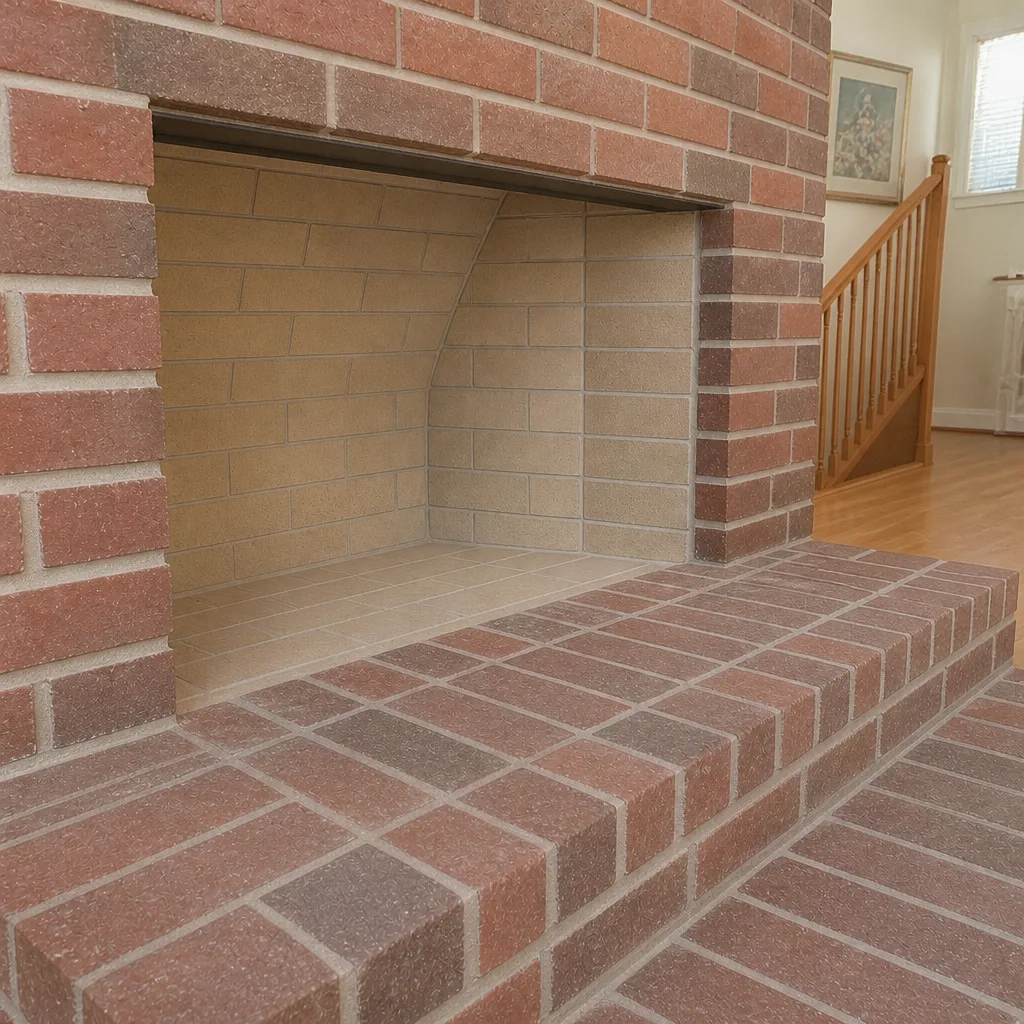
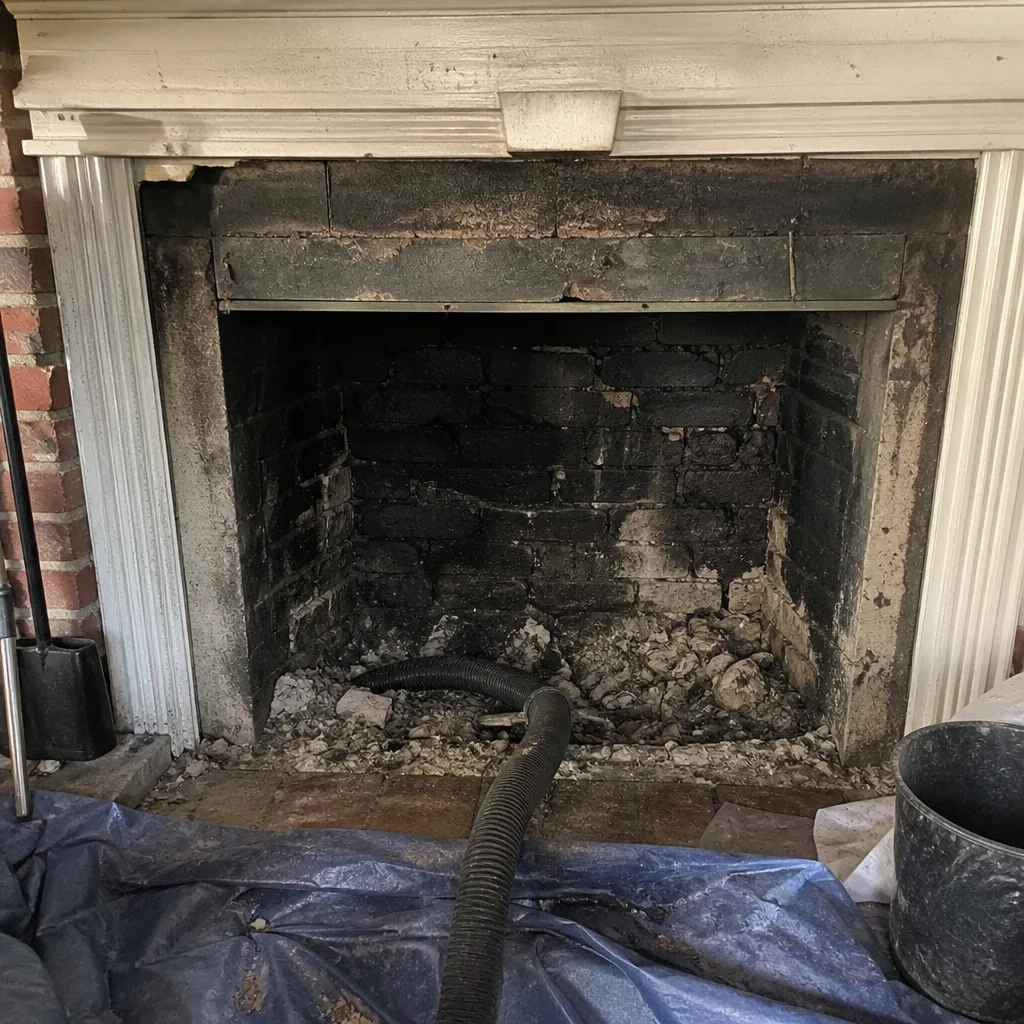
See the difference
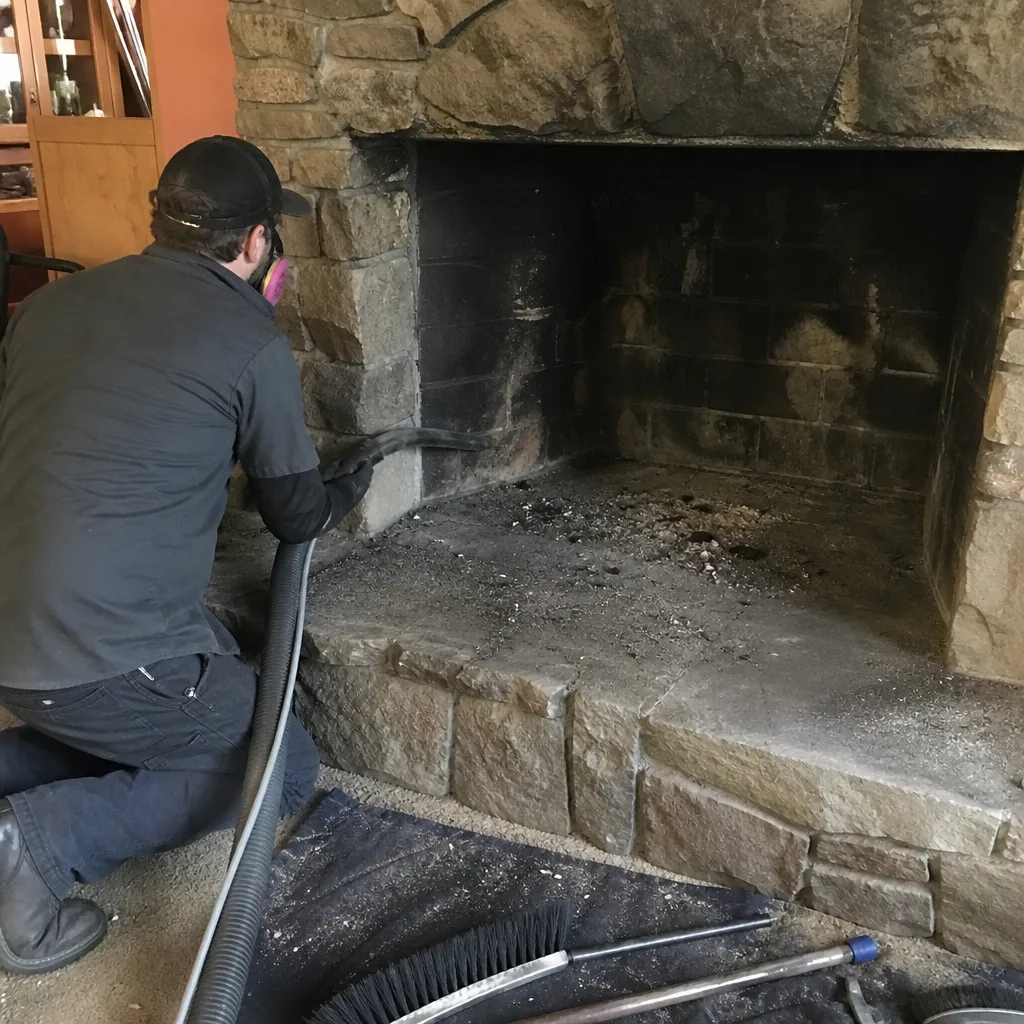 Before
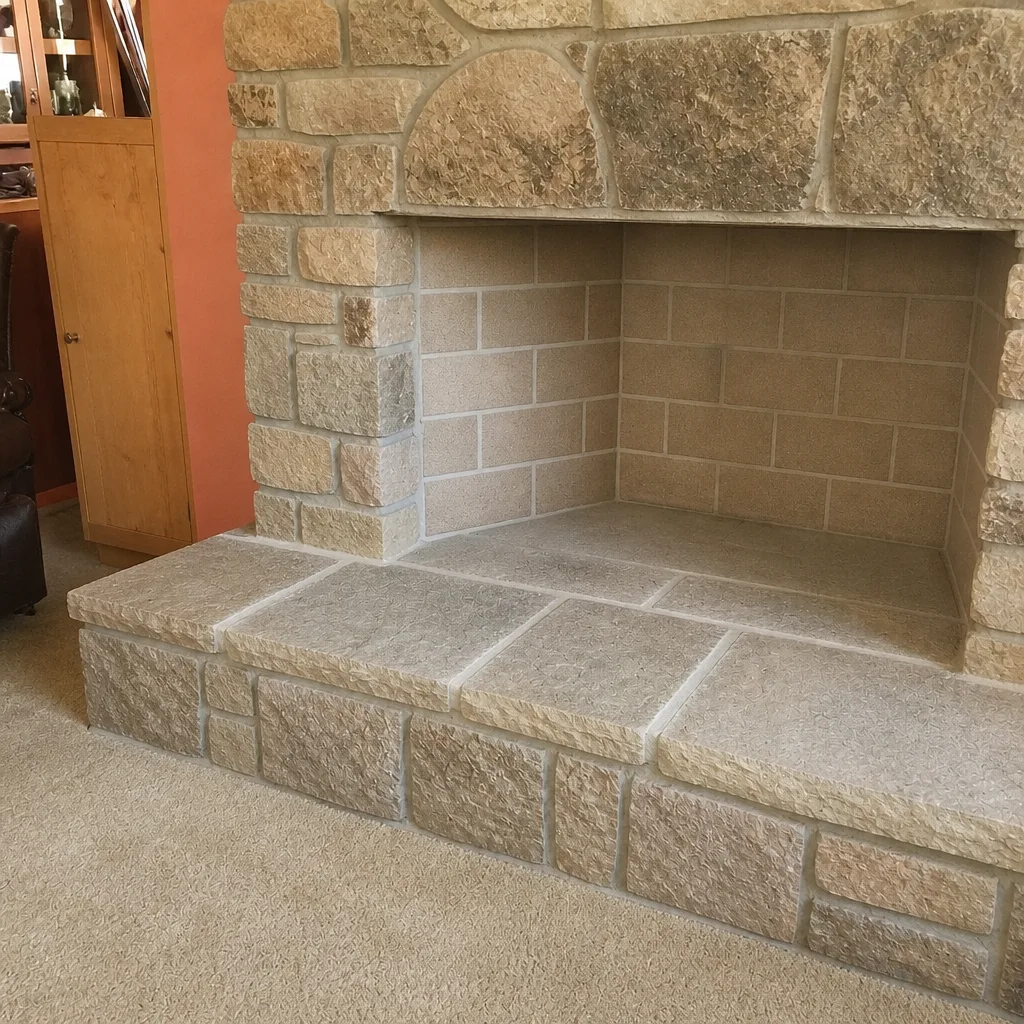 After
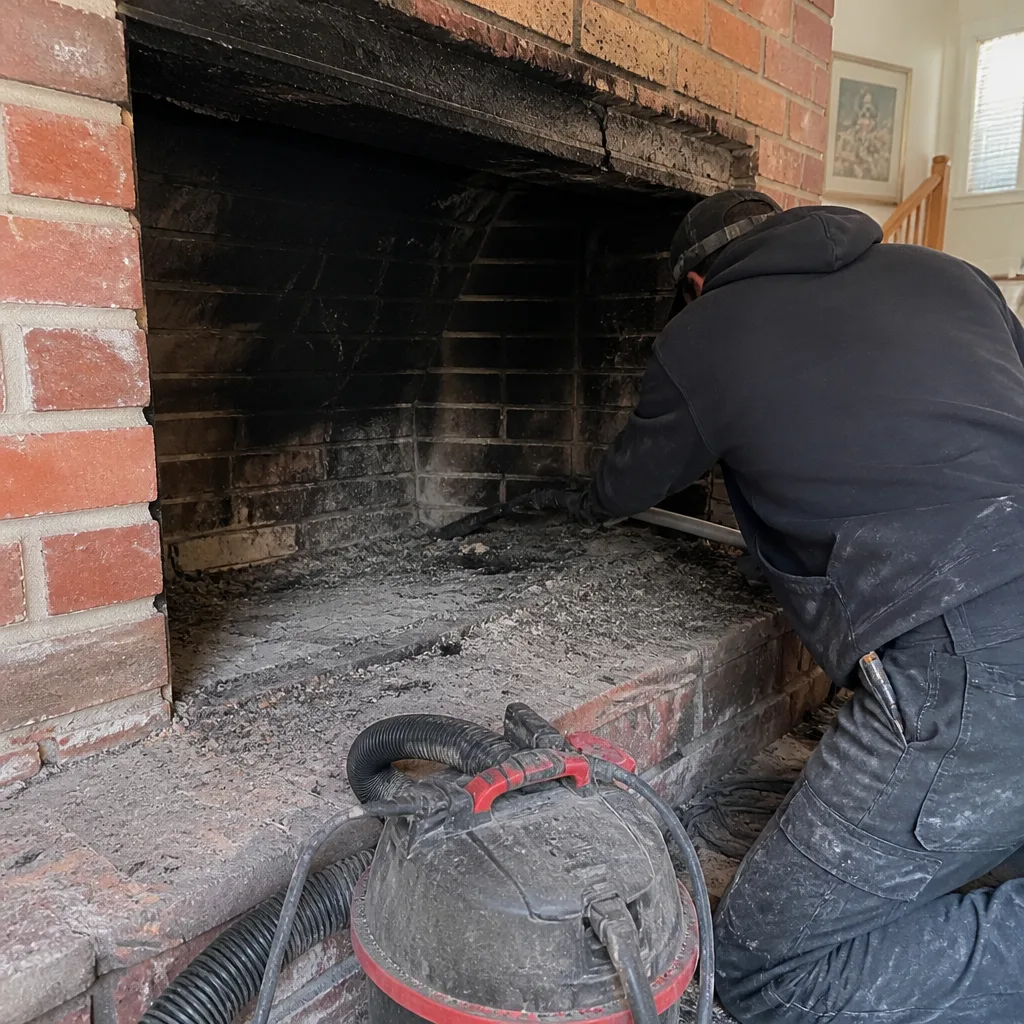 Before
 After
 Before
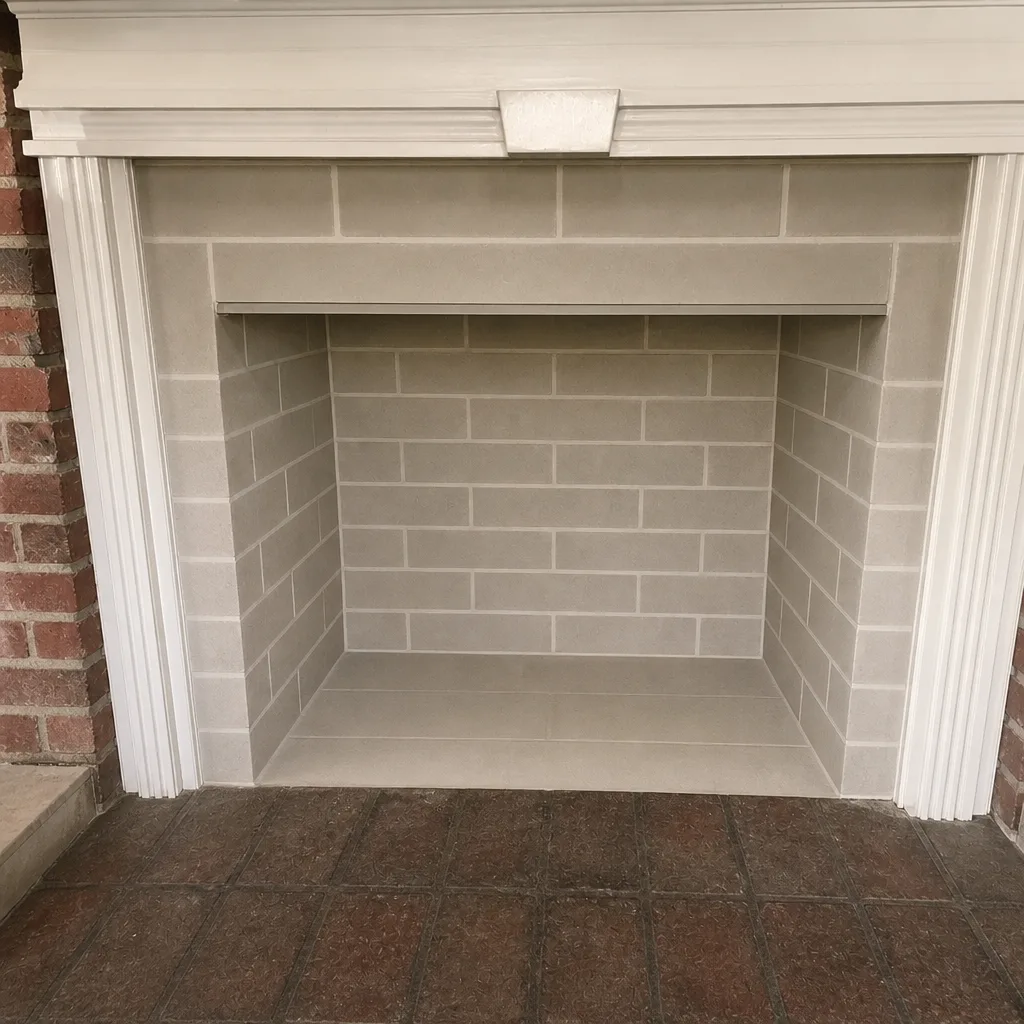 After
When to Call a Professional
Some signs point clearly to a professional visit. If you notice a strong creosote smell in the house when you’re not burning, the flue is likely coated with deposits that need removing. If smoke rolls into the room instead of going up, the draw is compromised, and a blocked or damaged flue is a likely cause. If you’ve moved into a Northgate home and don’t know when the chimney was last cleaned, treat it as overdue. And if a chimney cleaning hasn’t happened in more than a year, book one before the next fire season. The full cycle isn’t just cleaning; it’s inspection, cleaning, and repair when needed, and the local Chimney Sweep Northgate team handles that whole arc. Chimney Sweep Northgate offers free estimates in Northgate: call (855) 715-0663.
Frequently Asked Questions
The price is set per job by a written estimate, so it depends on the chimney’s layout, the deposit stage, and what the inspection finds. A standard cleaning of a chimney in good condition with light deposits runs toward the lower end; a chimney that has reached Stage 2 or Stage 3 creosote, or one where the liner check turns up damage, takes more work and costs more. You’ll see the estimate before any work starts, and the written estimate is what sets the final price. Call (855) 715-0663 for a free estimate.
Once a year for most wood-burning chimneys, and more often for heavy users or older installations. Northgate’s wet climate pushes creosote toward harder stages faster than in dry regions, so the annual cleaning is the baseline that keeps the flue in a manageable condition. If it’s been more than a year, call us and get on the schedule before the first fire. Call (855) 715-0663 for an exact quote; estimates are free.
Yes, and it belongs inside the cleaning rather than as a separate upsell. The cleaning is the one moment each year the flue is open and visible, and liner cracks or water damage don’t show up any other way. Skipping the assessment means you don’t know whether the flue is still containing heat the way it was built to. If a problem turns up, we show you the photos and explain the options, including resurfacing with HeatShield where the liner allows it.
Creosote keeps accumulating, and in Northgate’s damp shoulder seasons it hardens into denser, more combustible layers faster than in a dry climate. Over time you end up with Stage 3 glaze that needs chemical treatment and specialized tools, and a higher chance the liner has been damaged in the process. Neglect doesn’t produce a dramatic failure on a predictable schedule; it produces a chimney that’s more expensive to bring back. Call (855) 715-0663 for an exact quote; estimates are free.
Yes. Professional cleaning uses HEPA-filtered vacuum systems that pull soot into a sealed chamber, plus drop cloths and containment around the fireplace. Consumer shop vacs push fine soot back into the air; professional equipment is built to prevent that. When the cleaning is done, the only thing that should be in the room is the report and the photos.
Rotary power-brush heads, professional flexible rods, HEPA vacuum systems, chemical creosote removers for Stage 3 deposits, and inspection cameras for sections of flue that can’t be seen directly. The bigger difference is the training that goes into using them on fragile clay tile liners without causing damage. Consumer brushes slide over hardened deposits; professional tools break them down.
Before the first fire of the season, ideally in late summer or early fall. Booking early gives you time to act on anything the inspection finds, and it keeps you out of the rush once the burning months begin. Call (855) 715-0663. We answer 24/7. Fast dispatch from 7am to 7pm, Sunday through Friday.
The Bottom Line
Chimney cleaning in Northgate is about more than removing soot. It’s about understanding how a wet climate accelerates creosote buildup, why the liner needs assessing during every cleaning, and what a documented report should show you when the technician leaves. A full-featured cleaning covers the flue, the firebox, the liner, and the cap and crown, and it gives you a record to compare against next year. If the assessment turns up damage, professional-grade materials and a specialist who handles the whole cycle, from cleaning through repair, mean it gets fixed properly. Book before the first fire of the season, and ask for the report. Call (855) 715-0663 for a free estimate.
Written by the team at Chimney Sweep Northgate.