
Last updated November 25, 2026
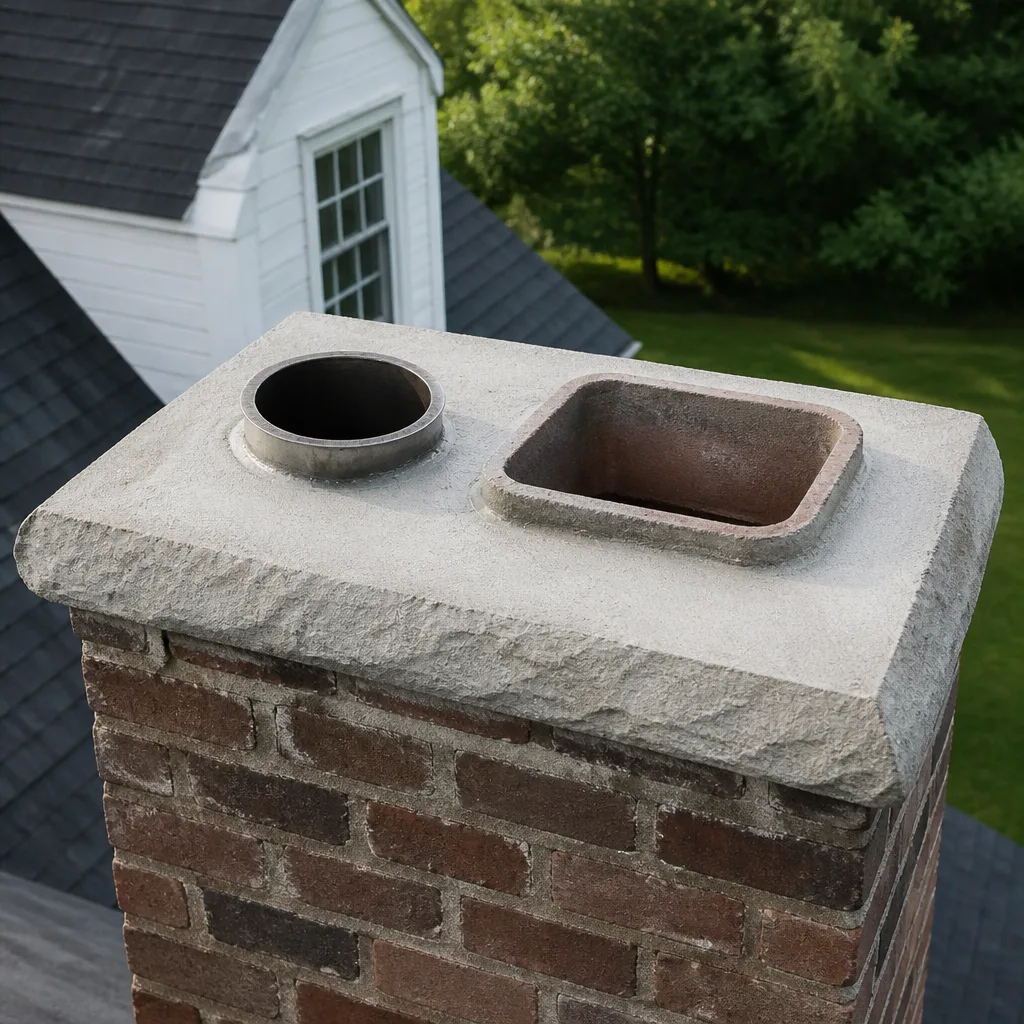 Sweep & inspection
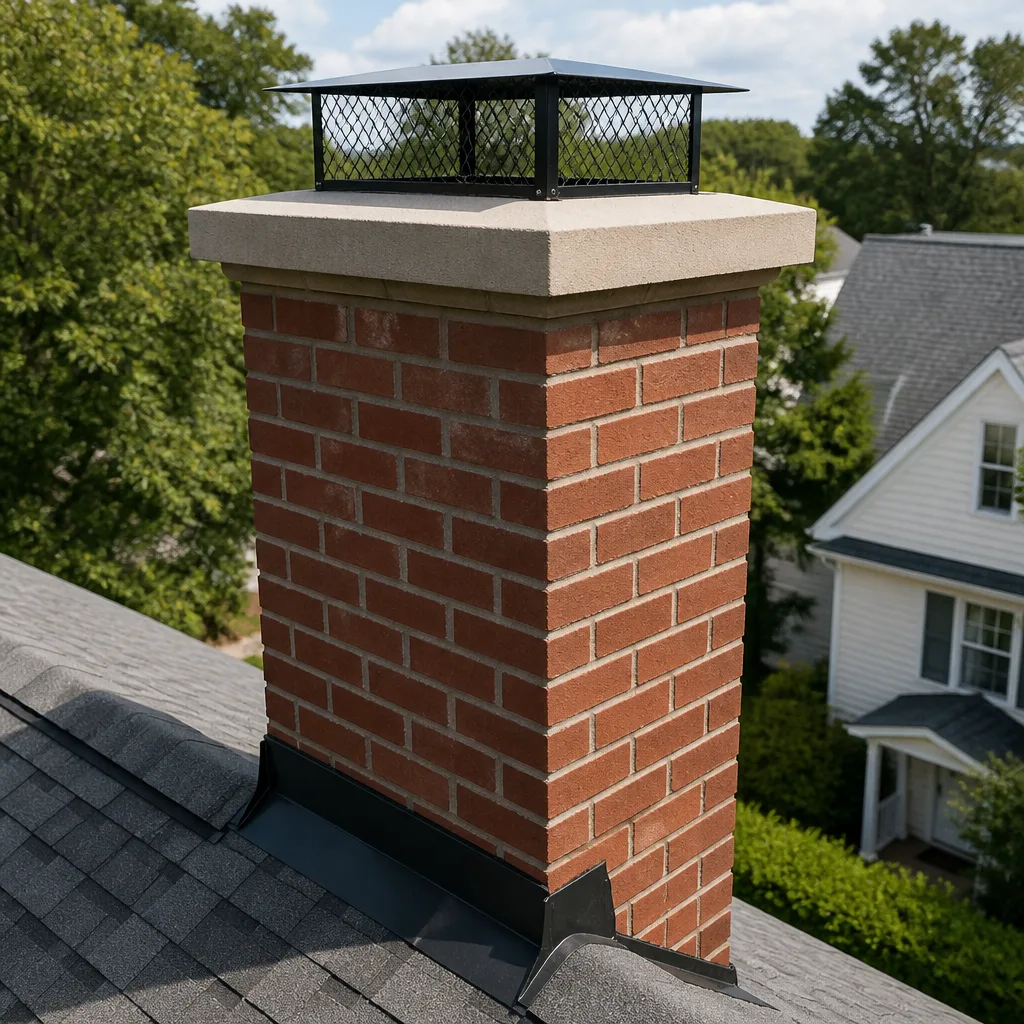 Caps & crowns
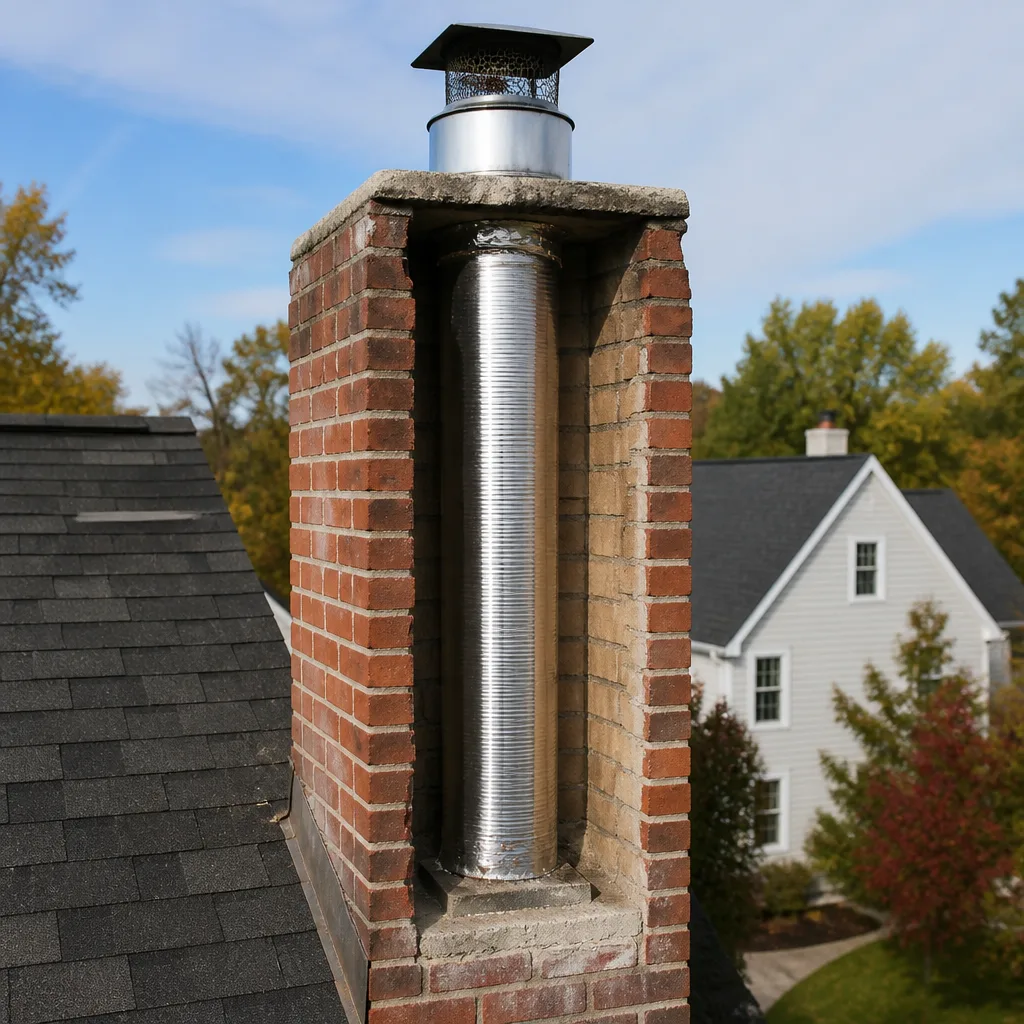 Flue relining
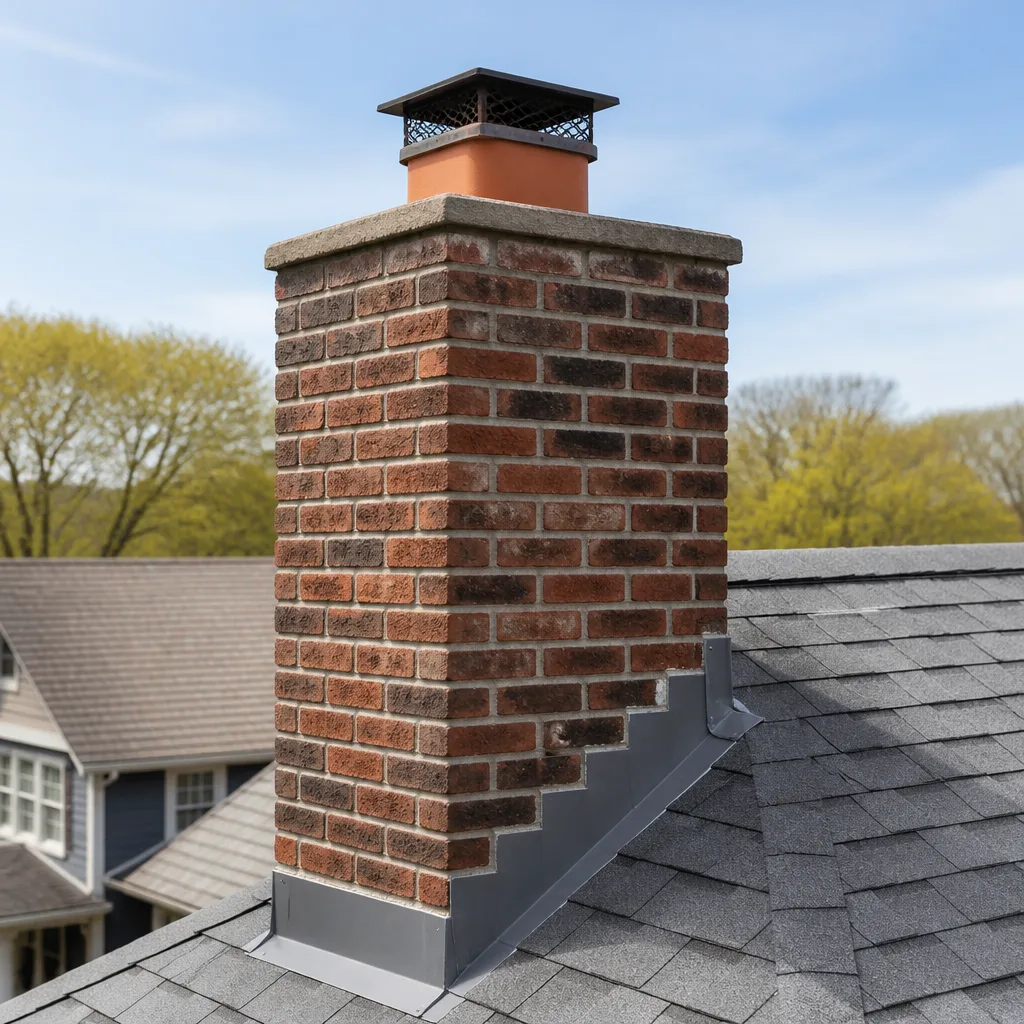 Masonry repair
 Gas fireplace service
Level 1 sweep and inspection to the NFPA 211 annual standard - flue, crown, cap, and flashing checked and photographed
Chimney sweep logs do not sweep chimneys. They loosen some creosote - which then falls where a brush and vacuum still have to collect it.
Chimney Sweep Troubleshooting in Northgate: Common Problems and How to Fix Them
A smoky living room after a fire isn’t always a draft problem. It’s just as often a blockage, a pressure imbalance, or a deteriorated smoke chamber, and treating the wrong one means the problem returns next season. The same is true of a smell you can’t place, a stain on the ceiling near the flue, or a fire that just won’t draw the way it used to. Most homeowners describe the symptom; the job is finding the cause behind it. In this guide we map the complaints we hear across Northgate to the mechanical and structural sources that actually produce them, so you can tell what to watch, what to fix, and what deserves a closer look before you spend money on the wrong repair.
Quick Answer
Most chimney problems in Northgate trace back to one of five causes: a blockage or creosote buildup, negative air pressure in a tight modern home, water getting in through the crown or flashing, a damaged flue liner or smoke chamber, or a failed cap. Matching the symptom to the right cause is what determines whether a sweep fixes it, a repair fixes it, or a structural resurfacing does. A Level 2 inspection is the reliable way to sort them apart before any work begins.
Styles & brands we work with
- Sweep & inspection
- Caps & crowns
- Flue relining
- Masonry repair
- Gas fireplace service
Table of Contents
- The Symptom-to-Cause Matrix: What Each Problem Actually Means
- Why a Chimney Backdrafts in a Weatherized Northgate Home
- Creosote Odor vs. Masonry Damp Odor: Two Different Repairs
- Rain, Moss, and Freeze-Thaw: How Pacific Northwest Weather Attacks a Chimney
- What Staining Around the Flue Is Telling You
- Slow Draw and Poor Draft: Blockage, Height, or Something Else
- Noises, Rattles, and What They Point To
- What You Can Monitor vs. What Needs a Professional
The Symptom-to-Cause Matrix: What Each Problem Actually Means
Before you call anyone, it helps to know that the symptom you notice rarely maps to a single cause. That’s the core of chimney troubleshooting, and it’s where a lot of money gets wasted. A smoky fire and a persistent odor can both come from a blockage, or neither can. Here’s how we sort the complaints we hear most in Northgate into their likely sources.
- Smoke rolling back into the room: most often negative pressure, a partially blocked flue, or a smoke chamber that’s lost its shape. Less often, the chimney is simply too short for the roofline around it.
- Persistent odor when the fireplace is cold: usually creosote residue pulling damp air up through the flue, but sometimes masonry holding moisture from a flashing or crown failure.
- Staining on the ceiling, wall, or chimney breast: almost always water intrusion, either at the crown, the flashing, or a cracked flue tile.
- Slow draw, a lazy fire, or smoke that hangs: a buildup restricting the flue, a blockage from nests or debris, or a pressure problem in a tightly sealed house.
- Rattling or a metallic tapping sound: a loose cap, a damper that isn’t seating, or a liner component that’s come adrift.
Two homeowners can describe the same “smoky fireplace” and need two completely different repairs. That’s why we don’t quote a fix from a phone description. We look. A chimney inspection is a standalone service, so you get an objective safety assessment before or after any cleaning, and you can see the evidence for yourself rather than take our word for it.
Why a Chimney Backdrafts in a Weatherized Northgate Home
Backdraft is smoke returning down the flue into the room instead of rising up and out. In a structurally sound chimney, the cause is usually pressure, not masonry. A chimney draws because warm exhaust gas is lighter than the outside air and rises. When a house is sealed tight and something else is pulling air out of it, the chimney can lose that upward pull and the smoke reverses.
Older Northgate homes that have been tightened up over the years, with new windows, added insulation, and sealed penetrations, are exactly where this shows up. The house no longer leaks air the way it used to, and the chimney, sized and built for a leakier era, becomes one of the few places air wants to move. Bathroom fans, kitchen exhaust, and a clothes dryer running all at once can be enough to flip the pressure and pull smoke back down.
We check for this before recommending anything structural. What we look at:
- Stack effect and house tightness. How sealed the home is, and whether the chimney has enough height and draft to overcome it.
- Competing exhaust. Whether fans and appliances are pulling more air than the house can replace.
- Flue condition. A partially blocked or rough flue loses draw even when pressure is fine.
- Smoke chamber geometry. A smoke chamber that’s lost its smooth, sloped shape can dump smoke into the room regardless of draft.
Treating backdraft as a draft-only problem is the classic error. If a smoke chamber needs reshaping or a flue needs resurfacing, a sweep won’t fix it. When a flue has lost its smooth surface to creosote damage, we resurface it with HeatShield rather than push a fix that lets the problem come back next season.
Creosote Odor vs. Masonry Damp Odor: Two Different Repairs
An odor in the room when the fireplace is cold is one of the most misdiagnosed complaints we handle. It comes in two distinct kinds, and they call for two different fixes. Getting this wrong means the smell returns.
Creosote odor is the acrid, tar-like smell of residue left on the flue walls after burning. On a warm, humid day the chimney can smell worse because damp air moving up the flue carries that residue back into the house. This is a cleaning issue first. A thorough chimney sweep removes the buildup, and if the creosote has glazed onto the flue tile, that’s where resurfacing may be needed.
Masonry damp odor is mustier, closer to a wet basement than a campfire. It usually means the masonry is holding water, and water is getting in from somewhere: a cracked crown, failed flashing at the roof, or a missing or damaged cap letting rain straight down the flue. A sweep won’t stop it. The water source has to be closed off, which is a repair, not a cleaning.
How to tell the difference, in plain terms:
- If the smell fades after a good cleaning and returns slowly as you burn, it’s creosote.
- If the smell is worst after rain and lingers even when you haven’t had a fire, suspect moisture.
- If you see staining or white chalky bloom on the interior masonry, that points to water.
- If the smell is strongest in humid weather only, creosote carried on damp air is more likely.
We use professional-grade components from brands like Gelco and Famco when a cap or crown is the source, because once the water’s closed off, protecting the top of the chimney is what keeps it dry. A clean chimney and a structurally sound one aren’t the same thing, and an odor is often the gap between them.
Rain, Moss, and Freeze-Thaw: How Pacific Northwest Weather Attacks a Chimney
Northgate’s climate is hard on masonry in a way that isn’t obvious from the ground. Long wet seasons, mild but persistent rainfall, and the occasional hard freeze combine into a slow attack on the top of the chimney, which takes the worst of it because it’s the most exposed part. Three things happen over time.
Moss and organic growth. The damp, shaded crown and upper masonry of a Northgate chimney can support moss and algae. It looks cosmetic, but the roots and the constant moisture hold water against the brick and mortar, keeping the surface wet far longer than it would otherwise be. Water that stays on masonry finds its way in.
Freeze-thaw spalling. When water soaks into brick or mortar and then freezes, it expands. Repeated freeze-thaw cycles push the face of the brick off in flakes and sheets, a process called spalling. Over several winters this can leave the crown and upper courses pitted and crumbling, which opens the door wider for the next round of water.
Rain-driven moisture intrusion. An uncapped or poorly capped flue takes rain directly down the inside, soaking the flue tiles and the smoke chamber and feeding the damp odor described above. A properly fitted cap and a sound crown are the two defenses that matter most here, and it’s why we treat chimney cap & crown work as part of the full cycle rather than an add-on.
The right cap and crown extend the life of every sweep we do. We install caps and rebuild crowns with Copperfield and Olympia Chimney components built to handle wet, cold weather, and we check them on every visit because a small crack at the top is cheap to fix now and expensive to fix after a winter of freeze-thaw.
What Staining Around the Flue Is Telling You
Staining near the flue is the symptom homeowners worry about most, and it almost always means water. Where the stain appears points to where the water is coming from, which shortens the diagnosis considerably.
- Staining on the ceiling around the chimney, or on the upper chimney breast: usually flashing at the roof line, or a crown that’s letting water run down the outside of the flue.
- White, chalky bloom on interior masonry: efflorescence, a sign that moisture is moving through the masonry and leaving mineral deposits as it dries.
- Rust-colored stains: water reacting with metal components, often a damper or a cap or flashing part that’s failing.
- Dark streaks on the exterior above the roof: water tracking down the chimney stack, often from a crown that no longer sheds properly.
Staining is one of the problems where homeowners can gather useful evidence themselves. Photograph the stain, note whether it grows after rain, and check the exterior of the chimney from the ground with binoculars for cracked mortar or a crumbled crown. That information helps, but it doesn’t replace an inspection. Water that’s visible on the ceiling has usually been traveling for a while, and the actual entry point is often somewhere you can’t see from inside the house.
We tell you what we find, explain what it means, and fix it with materials built for the job. When a stain turns out to be a damaged flue tile behind it, we can resurface the liner with HeatShield rather than tear into the masonry, and when it’s the crown, we rebuild it with a Copperfield or Olympia Chimney crown product matched to the stack. And if the evidence says the leak is small and can safely wait until the next dry stretch, we say so.
Slow Draw and Poor Draft: Blockage, Height, or Something Else
A fire that’s slow to start, smokes when you open the door, or never really gets going can be any of several things. Working through them in order is how a real diagnosis gets made, and it’s why we start with the flue and work outward.
- Check for a blockage. Nests, debris, a collapsed tile, or a damper that’s stuck closed will all choke the draw. This is the first thing to rule out and the most common.
- Check creosote buildup. Stage-two and glazed creosote narrow the flue and rough up the surface, and a rough surface creates drag that reduces draft.
- Check flue size against the appliance. A flue that’s too large for the firebox cools the exhaust before it clears the top, and cool exhaust is slow exhaust.
- Check chimney height and surrounding rooflines. A chimney that doesn’t clear the roof properly can sit in turbulent air, which interferes with draft.
- Check for pressure problems. This is the weatherized-home issue above, and it’s easy to miss if you’re only looking at the chimney itself.
In Northgate’s older housing stock, a flue built for one appliance and later used for another is a recurring cause of slow draw. If the blockage and buildup check out clear and the fire still won’t pull, the answer usually lies in sizing, height, or pressure, and each of those is a different fix. That’s why we don’t recommend a repair from a phone description. We look, we test, and we show you the evidence that supports whatever we recommend.
Noises, Rattles, and What They Point To
Chimneys are mostly quiet, so a new noise is worth paying attention to. What it sounds like narrows down the cause.
- A metallic rattle or tapping usually means a loose damper, a cap that’s worked loose in the wind, or a liner component that’s shifted.
- A fluttering or roaring sound during a fire can be a draft issue, where the flue is pulling unevenly, sometimes linked to the pressure problems above.
- Scratching or rustling from the flue points to an animal or bird that’s gotten past a missing or damaged cap, which is a blockage waiting to happen.
- A whistling sound in wind is often air moving through a gap in the cap or chimney top, which also means water can move through the same gap.
A missing cap is the quiet cause behind more than one of these, and it’s why we check caps and crowns on every visit. An animal that’s gotten in, a liner component that’s come loose, and a damper that won’t seat are all things we fix with factory-fit parts from DuraFlex and Olympia Chimney rather than an improvised workaround. If you hear something you didn’t hear last season, note it and mention it when you book. We answer 24/7, so a call is easy to make before the problem gets bigger.
What You Can Monitor vs. What Needs a Professional
Not every symptom is urgent, and it helps to know which ones you can watch and which ones need a trained eye. Fire, gas, and hot exhaust deserve respect, so we’re clear about where the line is.
What you can reasonably monitor yourself:
- The presence of a cap on top of the chimney, visible from the ground with binoculars.
- New or growing stains on the ceiling or chimney breast, photographed and dated.
- Whether smoke rolls back when you open the firebox door, and in what conditions.
- Odors, and whether they follow rain or burning.
- Visible moss or crumbling on the exterior crown from the ground.
What needs a professional before any DIY attempt:
- Any work on the flue interior, the liner, or the smoke chamber. These are hot-exhaust paths and structural components, and a mistake here is dangerous.
- Crown and cap installation that requires getting on the roof. Height and fall risk make this a job for a trained professional.
- Resurfacing a damaged flue liner. HeatShield application is a proprietary process and not something to attempt from a video.
- Any staining that turns out to trace back to a cracked flue tile or failed flashing. This needs a Level 2 inspection to see the full path of the problem.
There’s a real safety reason to take flue and liner work seriously. A deteriorated flue can let heat reach combustible materials, and a blocked flue can let carbon monoxide back into the home. We flag that accurately because it’s the reason to act, not to scare. If the inspection shows a problem can safely wait, we tell you that too.
Common Mistakes to Avoid
- Treating a smell with a candle or air freshener. Masking a creosote or damp odor hides the symptom and lets the underlying cause keep working. It’s cheaper to find the source than to keep buying the cover-up.
- Assuming every smoky fire is a draft problem. Backdraft, blockage, and smoke chamber shape all produce similar symptoms and need different fixes. Paying for a draft repair on a blockage wastes money.
- Hiring a general handyman to sweep. Sweeping and repairing a chimney call for chimney-specific training and professional-grade materials. A generalist may clean, but structural repairs need a specialist. The work isn’t the same job.
- Ignoring the cap and crown. A missing cap or cracked crown lets Northgate rain soak the flue and feeds the moss and spalling that shorten a chimney’s life. Protecting the top is part of the job, not an upsell.
- Putting off a flue inspection until the fire won’t work. A flue problem is easier and safer to fix before it’s a bigger one. An inspection is a standalone service, so it’s a low-risk way to know where you stand.
- Assuming moss on the chimney is harmless. The growth itself is minor, but it holds moisture against masonry through the wet season, which is exactly how spalling starts. Treat it as a warning sign.
- Letting a stain sit through the winter. A small flashing or crown problem can become a larger masonry repair after a freeze-thaw cycle. Watching a stain instead of fixing the source is how small repairs grow.
See the difference
 Before
 After
 Before
 After
 Before
 After
When to Call a Professional
A few situations will always deserve a call rather than a watch-and-see. If smoke rolls back into the room consistently, if you smell gas or an unusual odor from the firebox, if staining appears or grows on the ceiling, if a fire won’t draw and the flue checks out clear, or if you haven’t had the flue inspected in a while and use the fireplace regularly, those are all good reasons to get a professional eye on it.
So is any noise from the flue, a missing or damaged cap you can see from the ground, or visible moss and crumbling on the crown after a wet winter. A trained specialist can confirm whether the problem is a cleaning issue, a repair, or a structural resurfacing, and show you the evidence.
Chimney Sweep Northgate offers free estimates in Northgate. Call (855) 715-0663. We answer 24/7. Fast dispatch from 7am to 7pm, Sunday through Friday. A call outside dispatch hours is booked into the next opening, Sunday through Friday, 7am to 7pm. The estimate is free and the price is set per job by the written estimate.
Frequently Asked Questions
Most homeowners burning regularly should have the chimney swept and inspected once a year, and sooner if they notice heavy creosote buildup, slow draw, or odor. Northgate’s wet climate makes the annual inspection especially useful, because it catches moisture problems and moss early. If you burn often, check the flue more frequently. Call (855) 715-0663 for a free estimate.
Creosote builds up on the flue walls, and in enough quantity it can catch fire, and the smallest amount reduces draft and feeds the smoky-fire and odor problems above. A blocked flue can also let carbon monoxide back into the home. Those are the real risks, and the reason to act is a clean, sound flue, not a scare sale. Call (855) 715-0663 for a free estimate.
Intermittent smoking usually points to pressure or conditions rather than a constant blockage, so it tends to happen when other exhaust sources (fans, dryer, cooking) are running, or when conditions favor backdraft. Northgate’s weatherized homes are prone to this. An inspection can sort pressure from blockage from smoke chamber issues. Call (855) 715-0663 for a free estimate.
You can keep an eye on a cap, stains, and draft, but we don’t recommend cleaning or repairing the interior yourself. The flue is a hot-exhaust path and a structural component, and a mistake is dangerous. Resurfacing a damaged liner with HeatShield and installing a cap or crown are trained professional work. Call (855) 715-0663 for a free estimate.
A sweep removes buildup; an inspection assesses condition and identifies the cause behind a symptom, which is what troubleshooting needs. Chimney Sweep Northgate offers inspections as a standalone service, so you can get an objective assessment before or after any cleaning. Call (855) 715-0663 for a free estimate.
Only if the inspection finds the flue liner damaged or so creosote-damaged that it can’t hold. In many cases a HeatShield resurfacing restores a damaged clay tile liner without a full replacement, and we show you the evidence before recommending either. Nothing gets recommended without evidence you can see. Call (855) 715-0663 for a free estimate.
The Bottom Line
Most chimney problems are symptoms, and the fix that works depends on the cause behind the symptom, not on how the problem is described. Backdraft in a tight Northgate home is a pressure problem; a smell can be creosote needing a sweep or masonry needing a water source closed off; staining almost always means water and deserves a look; and moss and freeze-thaw are the slow climate-driven attacks that a sound cap and crown defend against. The through-line is diagnosis before repair. Inspect, sweep, repair, protect, and show the homeowner the evidence at every step so they can trust the recommendation. Our technicians have up to 10 years of experience. To book, call (855) 715-0663 for a free estimate.
Written by the team at Chimney Sweep Northgate.