
Last updated November 25, 2026
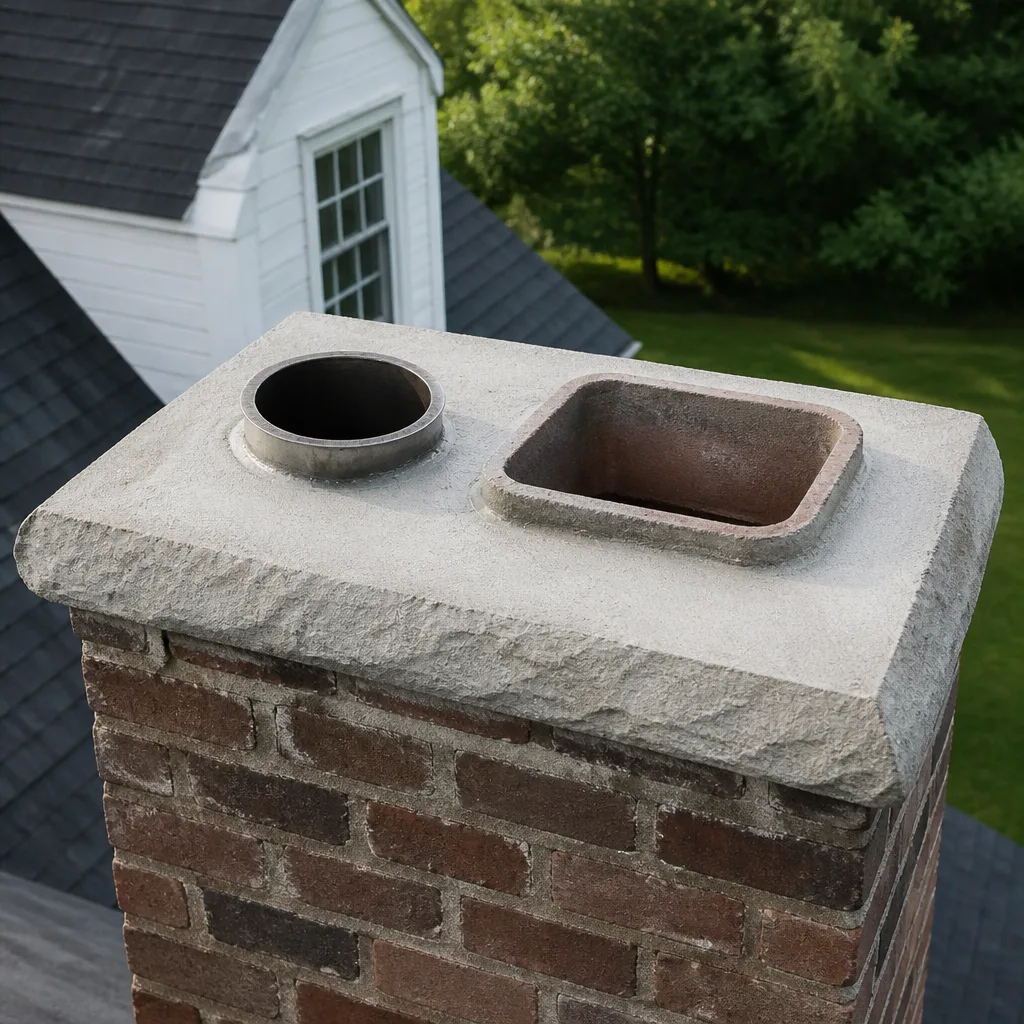 Sweep & inspection
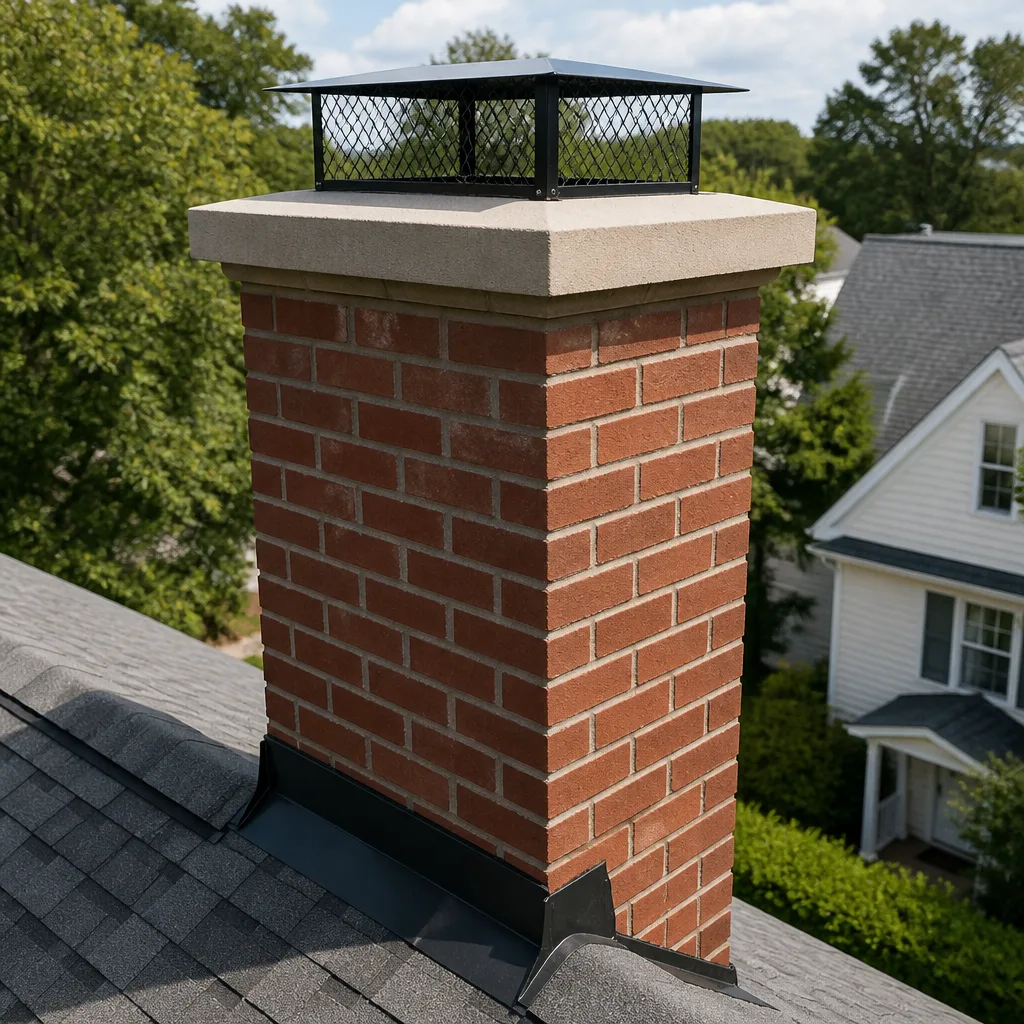 Caps & crowns
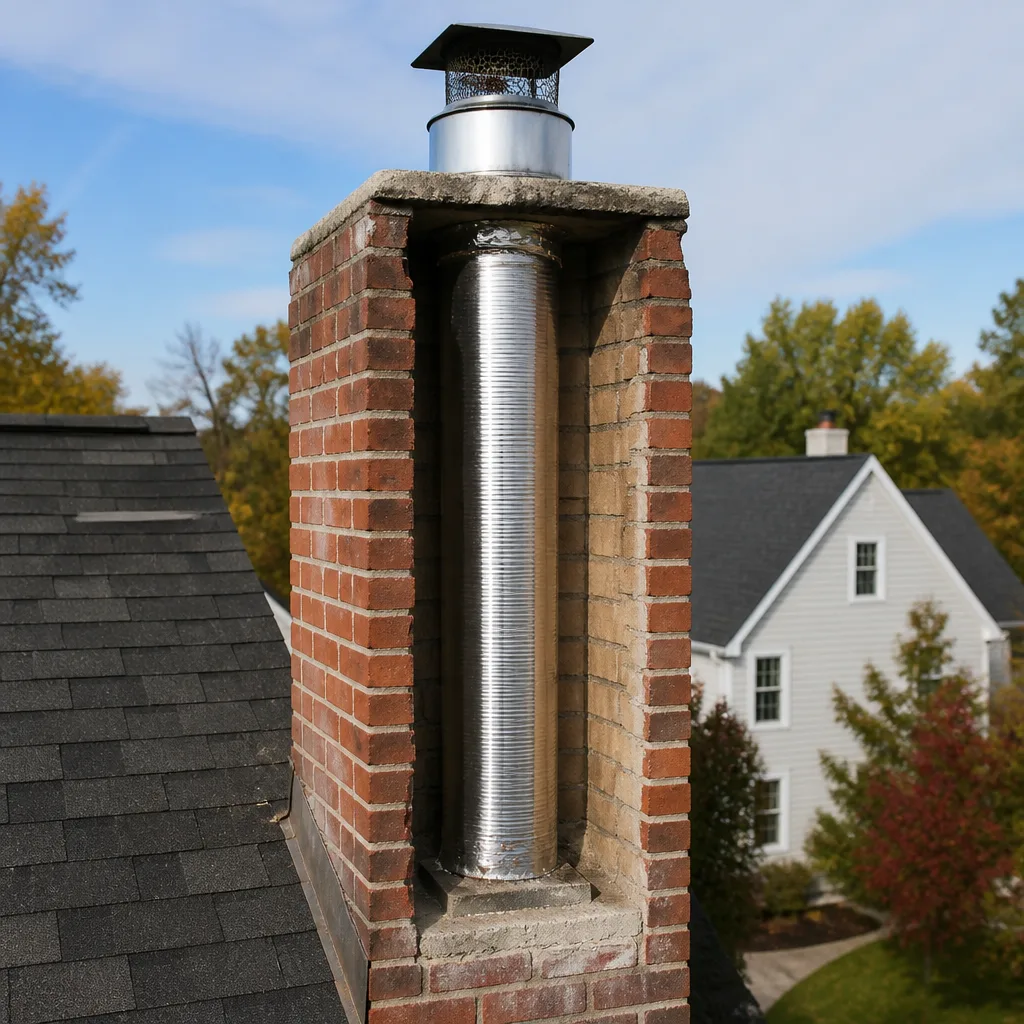 Flue relining
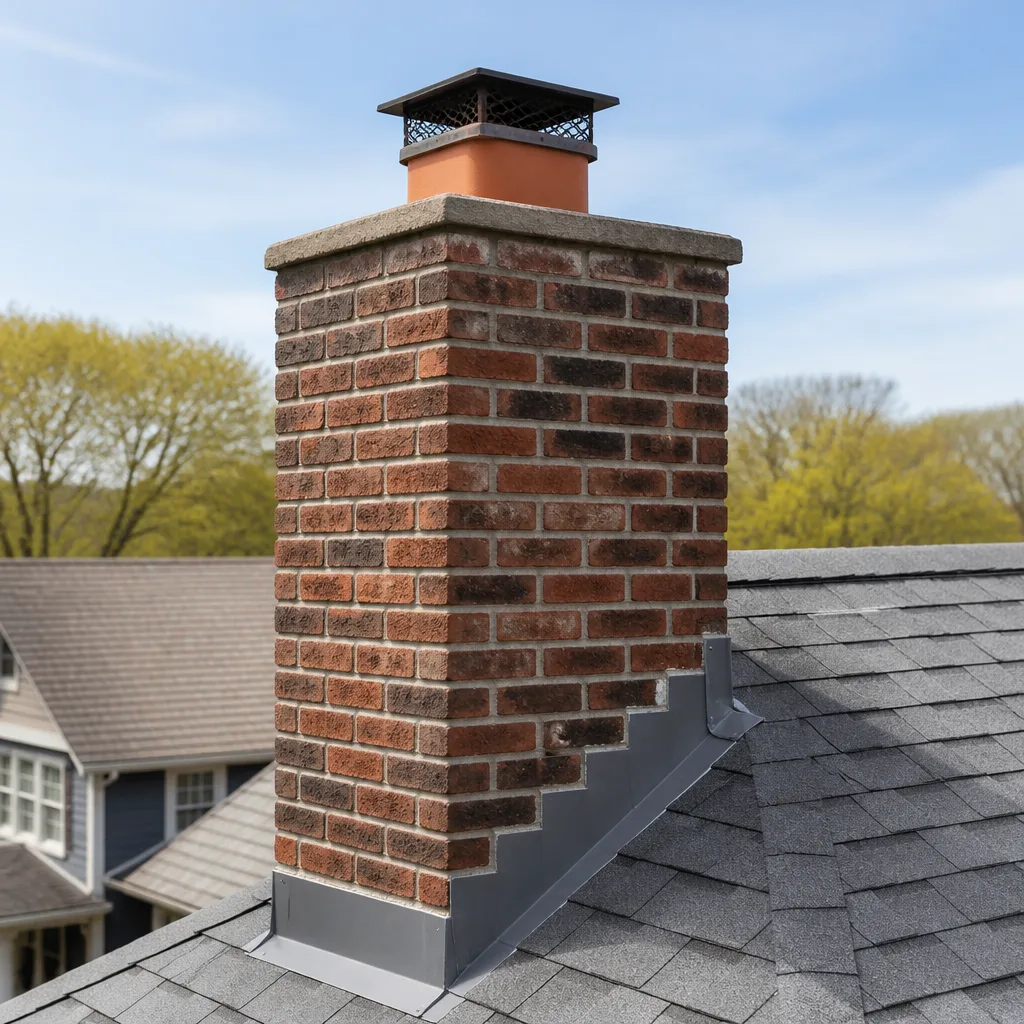 Masonry repair
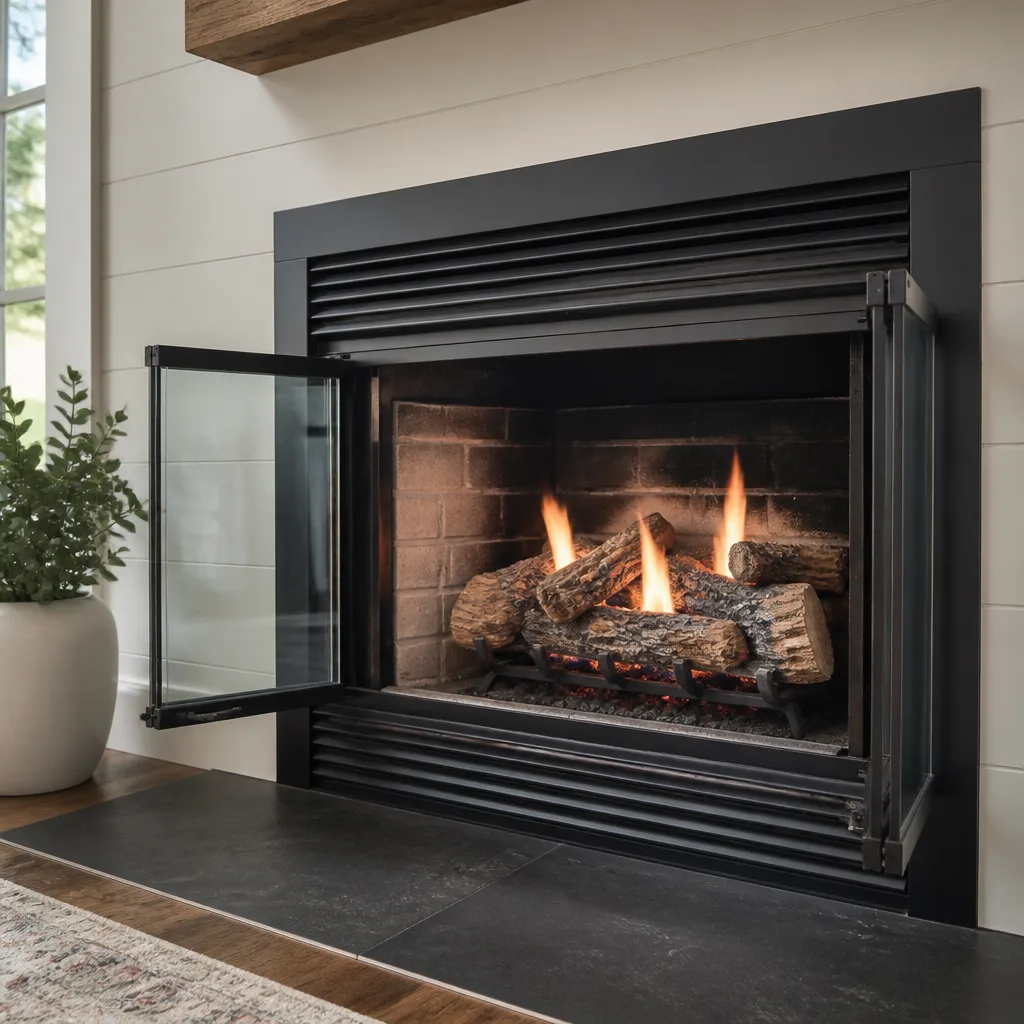 Gas fireplace service
Level 1 sweep and inspection to the NFPA 211 annual standard - flue, crown, cap, and flashing checked and photographed
Chimney sweep logs do not sweep chimneys. They loosen some creosote - which then falls where a brush and vacuum still have to collect it.
Chimney Cleaning Warning Signs: A Northgate Homeowner’s Reference Guide
Most chimney problems don’t announce themselves with a bang. They show up as a faint smell you’ve stopped noticing, a stain you’ve decided is “just the brick,” or a fire that’s a little harder to light than it used to be. The trouble with gradual change is that it never feels like an emergency, so homeowners in Northgate learn to live with it. Then a cold snap arrives, the fireplace comes back into regular use, and a problem that was building quietly all season makes itself known. This guide is a reference for the sensory signals a chimney gives you: what to look for, what to smell, what to listen for, and what to do between noticing something wrong and getting a specialist on-site.
Quick Answer
The main chimney cleaning warning signs are a smoky smell when the fireplace isn’t in use, smoke that rolls back into the room instead of drawing up, dark or flaky deposits on the firebox walls, white staining on exterior masonry, a fire that smokes heavily or struggles to stay lit, and a draft that feels weak or pushes air at you. Some of these mean “book a service,” and a few mean “stop using the fireplace now.” This guide separates the two so you can make a calm, informed call.
Styles & brands we work with
- Sweep & inspection
- Caps & crowns
- Flue relining
- Masonry repair
- Gas fireplace service
Table of Contents
- What chimney warning signs look like, smell like, sound like and feel like
- Why a smoky smell when the fireplace is off matters most
- Reading draft performance: when your chimney feels wrong
- Interpreting smoke behavior as diagnostic data
- White staining on exterior masonry: a moisture alarm
- Signs that mean stop using the fireplace now
- What to do between spotting a warning sign and getting help
- How Northgate weather and housing shape these signs
What Chimney Warning Signs Look Like, Smell Like, Sound Like and Feel Like
Chimneys give you information through four channels, and the reason problems get missed is that homeowners only really watch one of them. We’ve found that the smell and the draft are the signals people tune out first, because neither one looks like a problem. Here’s how to read each channel.
What to look for
- Dark, shiny, flaky or tar-like deposits on the firebox walls, the damper flap or the smoke chamber. These are creosote, and the shiny, crusted kind is the most combustible form.
- A black or brown stain running down the outside of the chimney or across the ceiling near the flue.
- White, chalky deposits on the exterior brick, especially near the chimney crown.
- Gaps, crumbling mortar or pieces of flue tile in the firebox.
- Water on the firebox floor after heavy rain.
What to smell for
- A smoky or sooty odor in the room when the fireplace has been cold for days. This is the signal most often explained away.
- A sharp, acrid smell when the fire is running, which can point to restricted draft rather than simply “a strong fire.”
- A musty, damp smell in the firebox or the room around it, which usually points to moisture getting in.
What to listen for
- Popping, crackling or a low roar that seems out of proportion to the size of the fire.
- Whistling or roaring from the flue when the fire is lit, which can indicate a draft problem or an obstruction.
- Birds or scratching from inside the chimney when the firebox is closed, which points to a nest or a blocked flue.
What draft performance should feel like
Hold a hand near the open firebox (fire out and cold). A healthy chimney pulls a gentle stream of air up and out. A weak chimney barely pulls, and a failing one pushes a bit of air back at you. That backward flow is the feel of a chimney that’s considering backdrafting, and it belongs in the “call first” column rather than the “sweep when convenient” column. In our experience, draft feel is the fastest test a homeowner can do without touching anything.
Why a Smoky Smell When the Fireplace Is Off Matters Most
A faint smoky smell in a room where the fireplace hasn’t burned for days is one of the most underreported warning signs in a residential chimney. It’s rarely “residual.” More often it means combustion gases and flue odor are drifting back into the living space because the draft has failed or the flue is partly blocked. That backward flow is called backdrafting, and it’s the same mechanism that lets carbon monoxide into a home. You can’t smell carbon monoxide, but a persistent smoky odor is a real cue that something isn’t flowing the way it should.
Why it’s easy to miss
Once you’ve lived with a slight smoke smell for a season or two, your nose filters it out. The smell becomes part of the room. A visiting family member notices it before you do, and that’s the moment to take it seriously. If the smell is strongest on cold mornings, windy days, or after a stretch of dry, still weather, that pattern points at draft rather than at a stray bit of ash.
What usually causes it
- A blockage in the flue: creosote buildup, a bird nest, or debris from a storm.
- A negative-pressure problem inside the house, often from a kitchen or bath fan running when the fireplace is cold.
- A chimney that’s too short for the roofline around it, letting wind and downdrafts push air down.
- A cracked or missing crown or cap that’s letting air and moisture into the flue.
If the smell is persistent, the next step is a professional inspection, not more fires to “burn it off.” Testing by burning is exactly how a small draft problem becomes a bigger and more expensive one. Our Chimney Sweep Northgate page covers what a full inspection includes, and it’s the right starting point when smell is the signal you’ve got.
Reading Draft Performance: When Your Chimney Feels Wrong
Draft is the single best indicator of how a chimney is behaving, and it’s also the easiest one to check without tools. If your fire used to light easily and now it smolders, or the smoke hesitates at the top of the firebox before going up, the chimney’s draft has changed. That change is your early warning, and in Northgate it’s worth paying attention to before burning season starts, because draft problems that show up on the first cold nights get worse as you burn more.
A simple draft check
- Make sure the fireplace is cold and no fire has burned for at least a day.
- Open the damper fully.
- Hold a hand near the open firebox for a few seconds.
- Note whether you feel a steady pull up, no real movement, or a slight push back.
- If you feel a push back or no movement, don’t light a fire. Book an inspection.
What changes in draft tend to mean
- Weak but steady pull: usually a partial obstruction or a flue that’s overdue for cleaning.
- Choppy or sputtering pull: often wind-related, sometimes a crown or cap issue letting weather into the flue.
- Clear push-back: draft is failing or the flue is blocked. Don’t burn. Get it checked.
- Much better in one room but not another: a pressure problem in the house, not just the chimney.
There’s a common myth that draft improves with a hot, big fire. It can feel that way briefly, but feeding a struggling chimney more fuel stresses the flue and puts more creosote on the walls. When draft is behaving oddly, the correct response is a call, not a bigger log. That’s especially true in Northgate, where an early-season temperature drop can briefly make a compromised draft seem better than it is.
Interpreting Smoke Behavior as Diagnostic Data
Smoke isn’t just something to sit behind. Its color, smell and volume tell you what’s happening inside the flue, and they behave differently depending on the fuel, the draft and the condition of the chimney. Treat them as data and you’ll spot problems you’d otherwise walk past.
Smoke color
- Thin, pale grey: normal for a well-drafted, seasoned-wood fire.
- White to light grey: could be moisture in the wood, or fine ash from a recent cleaning. If it’s consistent and smells damp, it may be a moisture problem.
- Dark grey to brown: incomplete combustion, often from wet wood or restricted air. Worth a look.
- Black and thick at start or end of a fire: significant creosote at the top of the firebox or a flue that’s overdue for cleaning.
Smoke smell
A clean, dry-wood smell is normal. A sharp, acrid or chemical smell can point to burning the wrong materials (treated wood, plastics, wrapping paper). A heavy, dirty, sooty smell with visible dark smoke is the combination that most strongly suggests creosote deposition. If you notice this pattern across several fires, book a sweep before continuing regular use.
Smoke volume and behavior
- Smoke that rolls out into the room rather than up the flue: a draft failure or obstruction. Stop burning.
- Smoke that fills the firebox but leaves slowly: a sluggish draft. Get it checked.
- Smoke that stays dense for a long time after lighting: wet wood or poor oxygen. Fix the fuel first, then reassess.
- Smoke that appears at the chimney top but not inside: normal, but worth confirming the crown and cap are sealed.
If smoke behavior tells you the fire isn’t drafting right, the proper sequence is to put out the fire, close the damper, open a window to relieve pressure, and book an inspection. Don’t keep burning to “test it again.”
White Staining on Exterior Masonry: A Moisture Alarm
White, chalky staining on the outside of a Northgate chimney is often labeled as cosmetic and left alone. It shouldn’t be. That staining is efflorescence, and it’s salt drawn out of the brick by moisture moving through the masonry. In plain terms, it’s a moisture alarm: water is getting into a part of the chimney that was built to stay dry. Left alone, that water leads to spalling brick, crumbling mortar, a failing crown and eventually a compromised flue.
What efflorescence usually points to
- A cracked, worn or improperly sloped chimney crown.
- A missing, loose or undersized chimney cap letting rain straight into the flue.
- Deteriorated mortar joints letting water into the wall.
- Water entering through the top of the chimney because the crown has separated from the flue.
Staining that’s powdery and brushes off is the earlier stage. Staining that’s hard and crusted, with flaking or crumbling brick beneath it, is the later stage and usually needs masonry work, not just cleaning. Either way, the moisture source needs to be found and closed before the surface gets touched, because cleaning off the stain without fixing the source is a fast way to make the same stain come back.
On the repair side, this is where full-scope chimney care matters. Our chimney cap & crown work is designed to keep the top of the chimney sealed against exactly the kind of rain and wind Northgate gets. Rebuilding or resurfacing a crown with the right CrownCoat material and fitting a properly sized cap is the fix that stops efflorescence from repeating. We use professional-grade brands including Copperfield, Gelco and Olympia Chimney because the parts at the top of the chimney take the most punishment and deserve to be specified for the job.
Signs That Mean Stop Using the Fireplace Now
Most warning signs allow you to schedule service calmly. A handful don’t. Those mean close the damper, put out the fire, and don’t burn again until a specialist has looked at the chimney. The line between “schedule a sweep” and “stop now” is a real one, and it’s the most important decision in this guide.
Stop and call now if you notice
- Smoke rolling into the room continuously when the fire is running.
- A smell of smoke in the room when the fireplace is off, especially if it’s accompanied by headaches, dizziness or nausea.
- Black, shiny or flaky creosote visible on the firebox walls, damper or smoke chamber.
- Cracked, displaced or broken flue tiles visible at the top of the chimney or inside the firebox.
- Water running down the inside of the firebox, or a strong damp smell in the room.
- Discoloration or heat damage on the wall or ceiling near the chimney.
Any one of these on its own is enough to stop burning. The combination of a smoky smell, headache and a fire that won’t draft correctly is the pattern that matters most, because it points at combustion gases getting into the living space. Carbon monoxide is odorless and its health effects are cumulative, so the safe response is always to stop burning first and verify later. That’s not alarmism: it’s the correct sequence based on what the chimney is telling you.
If the flue or firebox shows damage, the fix isn’t always replacement. For damaged but otherwise sound clay tile liners, we can apply fireplace repair work that includes HeatShield resurfacing, which rebuilds the liner from the inside where a replacement would otherwise be the only path. That’s the kind of judgment call a specialist makes, not a handyman.
What to Do Between Spotting a Warning Sign and Getting Help
Between the moment you notice something wrong and the moment a technician is on-site, your job is to keep the situation from getting worse without trying to diagnose it yourself. A few straightforward steps cover almost every case.
- Stop burning. Put out any fire, close the damper once it’s cold, and don’t light another until the chimney’s been looked at.
- Note what you saw, smelled, heard and felt. Write it down: “smoky smell for three days,” “white stain on the east side,” “smoke rolls out when wind is from the north.” That pattern helps the technician go straight to the likely cause.
- Open a window or door in the same room. This relieves slight negative pressure and reduces backdrafting while you wait. If the smell is strong or anyone is feeling unwell, leave the room and get fresh air.
- Check the smoke and carbon monoxide alarms. Confirm they’re working. Replace batteries if needed, and replace any alarm that won’t test.
- Don’t try to remove creosote or “clean” the flue yourself. Creosote is combustible and handling it by hand or with household tools can push it deeper into the flue. That’s a job for a trained technician.
- Don’t cap or seal anything on your own. A cap installed backward or sealed to the wrong material can trap moisture and make the situation worse.
Interim safety is about reducing risk, not solving the problem. The problem gets solved with a proper inspection and cleaning once we’re on-site. Call chimney sweep service only once you’ve done the interim steps and you know what you’re looking at, because the scope changes depending on what your notes say.
How Northgate Weather and Housing Shape These Signs
Northgate’s wet, cool climate and its older housing stock shape which warning signs you’ll actually see. The chimney problems that dominate here are moisture-driven and draft-driven, not desert-style creosote buildup alone. Our technicians have up to 10 years of experience working in exactly these conditions, and the pattern holds: the same warning sign means something different depending on the water and air around it.
What the local climate does to a chimney
- Wet, cool winters: more moisture in the masonry, which accelerates efflorescence and mortar decay. Crowns and caps matter more here than in dry climates.
- Long shoulder seasons: chimneys sit cold for stretches, which is when a backdraft is most likely and a smoky smell shows up unannounced.
- Windy stretches: a weak crown or a loose cap turns into draft problems and back-puffing, most noticeably when weather comes from the north or off the water.
- Mild summers: less creosote formation than hot-climate homes, but moisture damage during the wet months is more of a risk than heat damage.
What local housing does
Northgate has plenty of older homes with original clay tile flues and masonry chimneys that have been repointed, patched or partly rebuilt at different points. That’s fine, but it means a warning sign on one chimney may point to a different cause than the same sign on another. A home that’s had a flue liner installed already may be showing efflorescence from a crown, while a home with the original liner may be showing it from a flue that’s cracked. Reading signs in context is the whole job.
When a warning sign does point to repair, the scope is real. Between cleaning and structural work, the typical Northgate project ranges from a straightforward sweep and inspection up to liner resurfacing, cap and crown replacement, and masonry repair. We quote each job as a written estimate, so you know the scope before any work is booked. The materials we specify are the ones chimney professionals nationwide use: DuraFlex and Olympia Chimney for liner work, HeatShield for resurfacing damaged liners, and Copperfield, Gelco and Famco for the components around the top of the chimney.
Common Mistakes to Avoid
- Treating a smoky smell as normal. A fireplace that smells smoky days after use is telling you the draft isn’t right. It’s not a “house smell,” and ignoring it is how carbon monoxide exposure stays unnoticed.
- Burning to “clean the chimney out.” A hot fire doesn’t clear a blocked flue; it heats it, increases creosote deposition, and raises the risk to the home. Get the flue cleaned instead.
- Cleaning off efflorescence and calling it fixed. Scraping the white stain off without fixing the crown or cap just delays the moisture damage. The water source has to be closed first.
- Assuming a sweep is all the chimney needs. A sweep removes creosote, but a chimney in Northgate could also have a cracked crown, a loose cap, or a resurfacing need that sweeping won’t fix. An inspection tells you what’s actually there.
- Skipping the inspection because the last sweep was fine. A sweep and an inspection are different services. Condition changes between seasons, especially over a wet winter.
- Waiting until winter to book. Warning signs get worse under heavy use. Booking before burning season starts means a smaller scope and an easier fix.
- Trusting an amateur installer for liner work. Liner work isn’t improvised. The right fit matters, which is why we only use professional-tier lines including DuraFlex and Olympia Chimney, not hardware-store relining kits.
See the difference
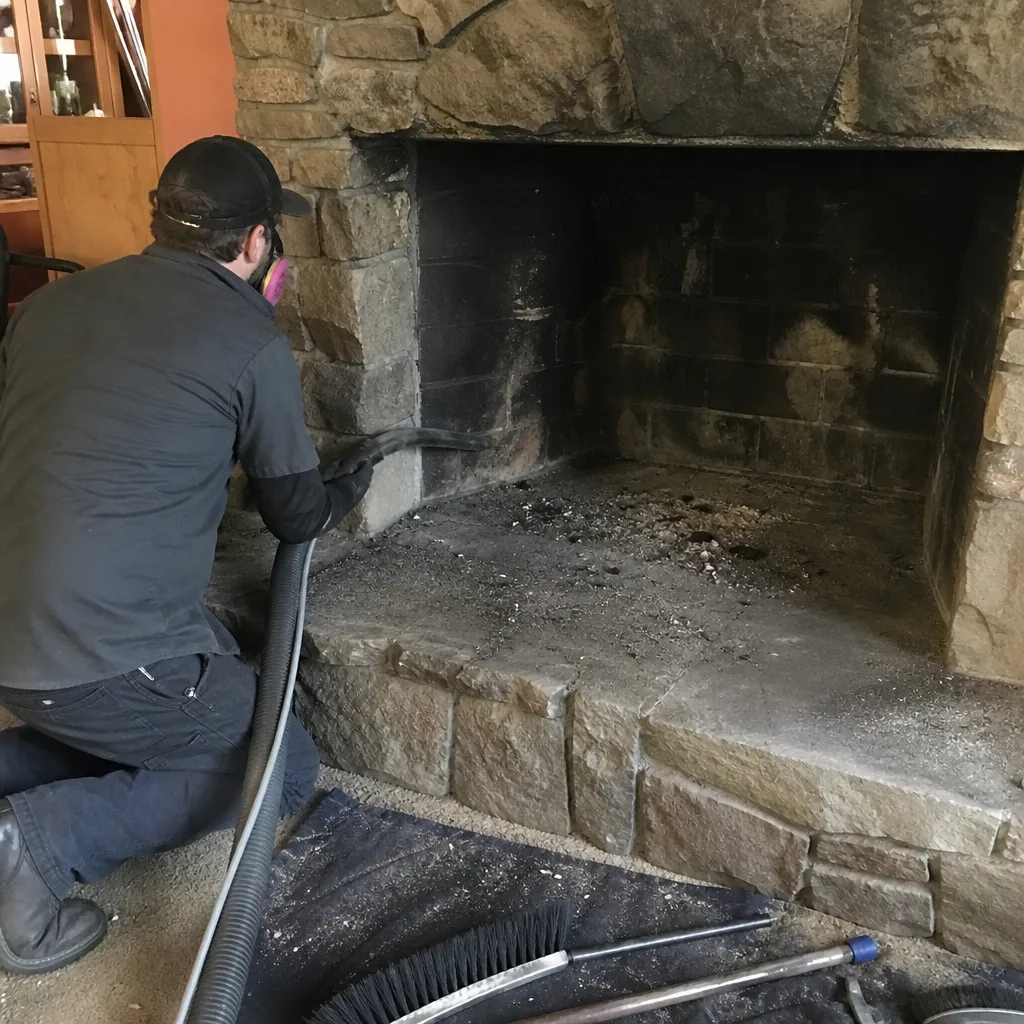 Before
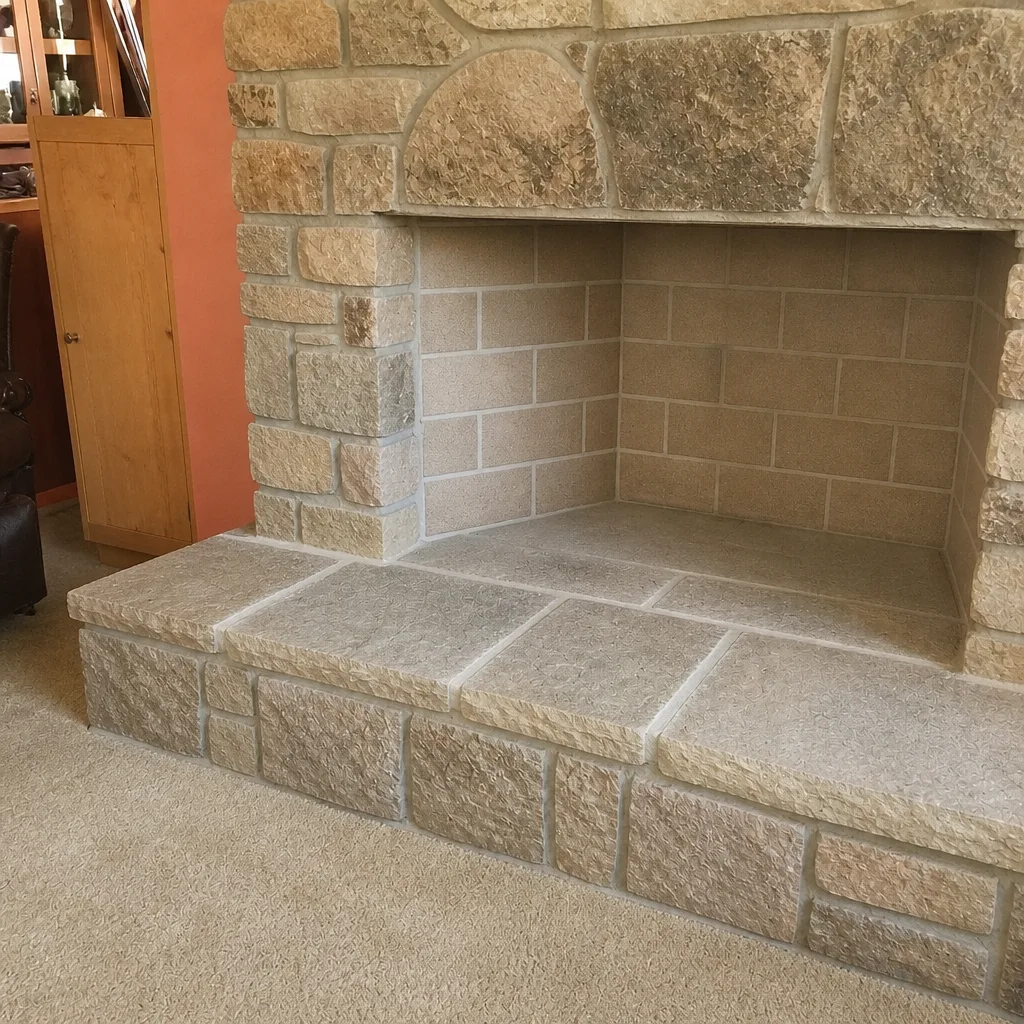 After
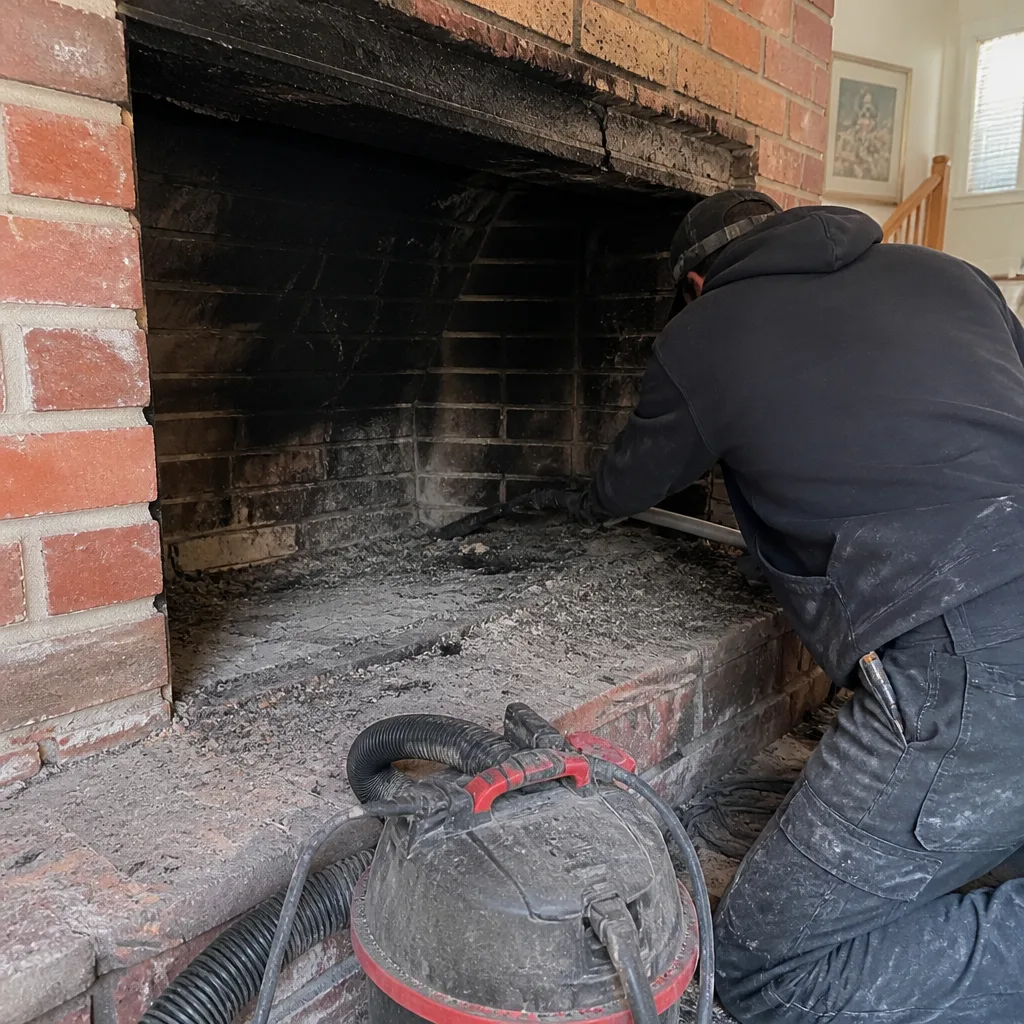 Before
 After
 Before
 After
When to Call a Professional
Call a chimney professional when your warning signs fall on the “stop using” side of the list, when a smoky smell persists for more than a day or two, when smoke rolls into the room, when you see white efflorescence on exterior masonry, or when your fire is noticeably harder to light and draft than it used to be. Also call if you’ve noticed any of the warning signs in this guide and it’s been a season since your last inspection. The same advice applies if you’re not sure which group a sign belongs to; that uncertainty is exactly what an inspection is for. Chimney Sweep Northgate offers free estimates in Northgate, and you can reach us at (855) 715-0663. We answer 24/7, and fast dispatch runs from 7am to 7pm, Sunday through Friday. One specialist handles inspection, cleaning, cap and crown work, and repair, so you don’t have to coordinate between trades.
Frequently Asked Questions
A smoky smell in the room when the fireplace isn’t in use is the first sign to act on, because it often means draft has failed or the flue is partly blocked and combustion gases are drifting back into the living space. If you notice it, stop burning until the chimney’s been inspected. Call (855) 715-0663 for a free estimate on an inspection.
If smoke rolls into the room, if you can see shiny or flaky creosote, if you smell smoke with the fire off, or if you have visible damage to the flue or firebox, stop using the fireplace now. Signs like a fire that lights less easily than it used to, a little gray staining, or a firmer draft than normal can usually wait for a scheduled sweep. When you’re not sure, treat it as a “stop now” and get it looked at. Call (855) 715-0663 for an exact quote – estimates are free.
Yes. White, chalky efflorescence on exterior masonry is a moisture alarm rather than a cosmetic stain, and it usually points to a cracked crown, a missing or loose cap, or deteriorated mortar letting water into the chimney wall. The fix is to find and close the moisture source, then repair the crown or cap and address any masonry damage. A sweep that skips this is half the job.
No. Creosote is combustible, and the shiny, flaky, tar-like form is the most dangerous kind. Household tools can push it deeper into the flue or damage the liner, so removal belongs with a trained technician using proper equipment. For any visible buildup, stop using the fireplace and book a professional cleaning. Call (855) 715-0663 for a free estimate.
Once a year is the common standard, and in Northgate’s cool, wet climate it’s worth doing before burning season starts so any moisture damage from the previous winter can be caught early. A chimney that’s used heavily, or one that’s had a repair, may need a closer look sooner. An inspection is a standalone service, so you can book it whether or not you also need a cleaning.
Skipped warning signs tend to turn into one of two outcomes: a chimney fire, which can be quiet enough that a homeowner doesn’t notice it until structural damage shows, or a carbon monoxide event, which is harder to detect because the gas has no smell. Neither is rare, and both start with signs that were easy to overlook. Call (855) 715-0663 for an exact quote on a cleaning and inspection – estimates are free.
The Bottom Line
Chimney warning signs are quiet by design. The smoky smell you’ve stopped noticing, the white stain you’ve decided is just the brick, the fire that hesitates a little before lighting: those are the signals that matter most, and the sooner they’re checked, the smaller the fix. A sweep is the routine answer; an inspection is the answer to “what’s actually going on.” We use the materials chimney professionals specify, including DuraFlex liners, HeatShield resurfacing and Copperfield components, so a fix is meant to last. If you’ve spotted any of the signs in this guide, call Chimney Sweep Northgate at (855) 715-0663 for a free estimate. We answer 24/7, fast dispatch runs from 7am to 7pm, and we’ll tell you plainly what we find and what it means.
Written by the team at Chimney Sweep Northgate.