
Last updated November 25, 2026
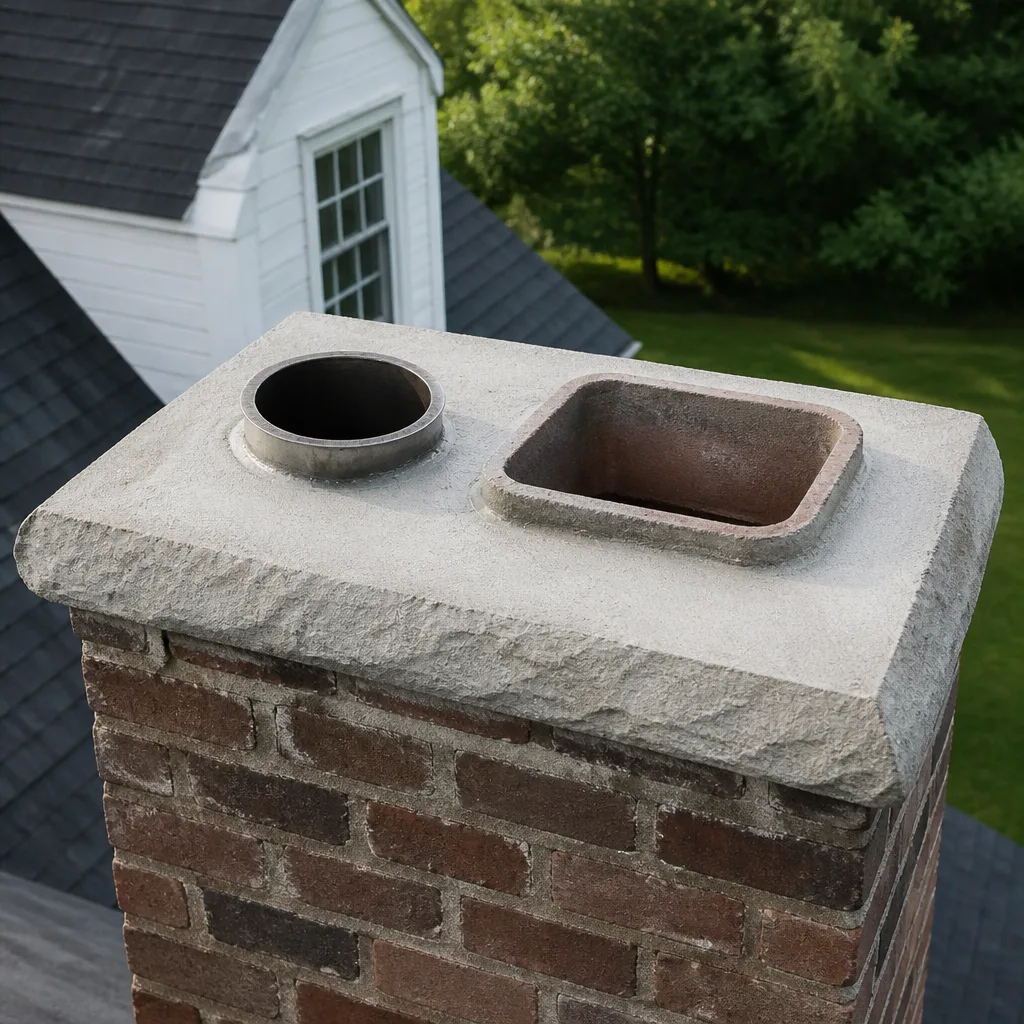 Sweep & inspection
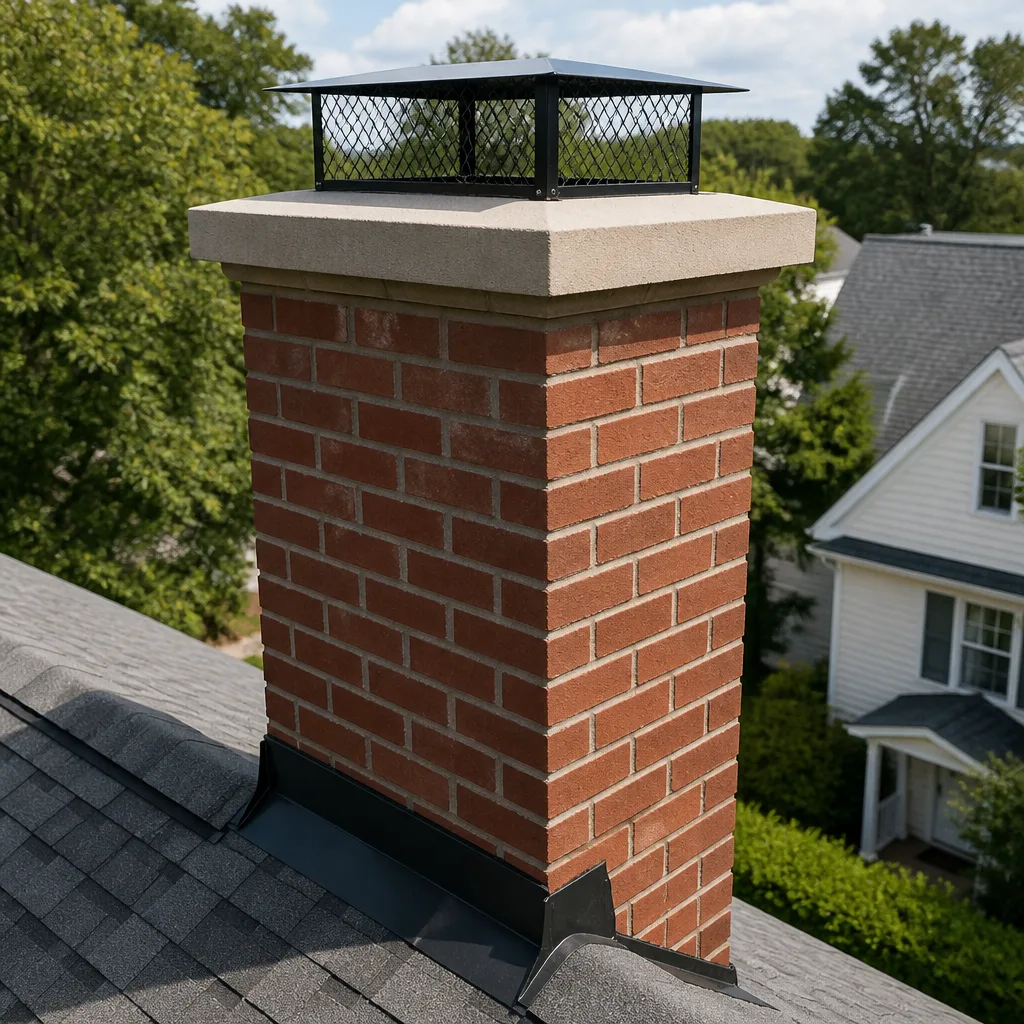 Caps & crowns
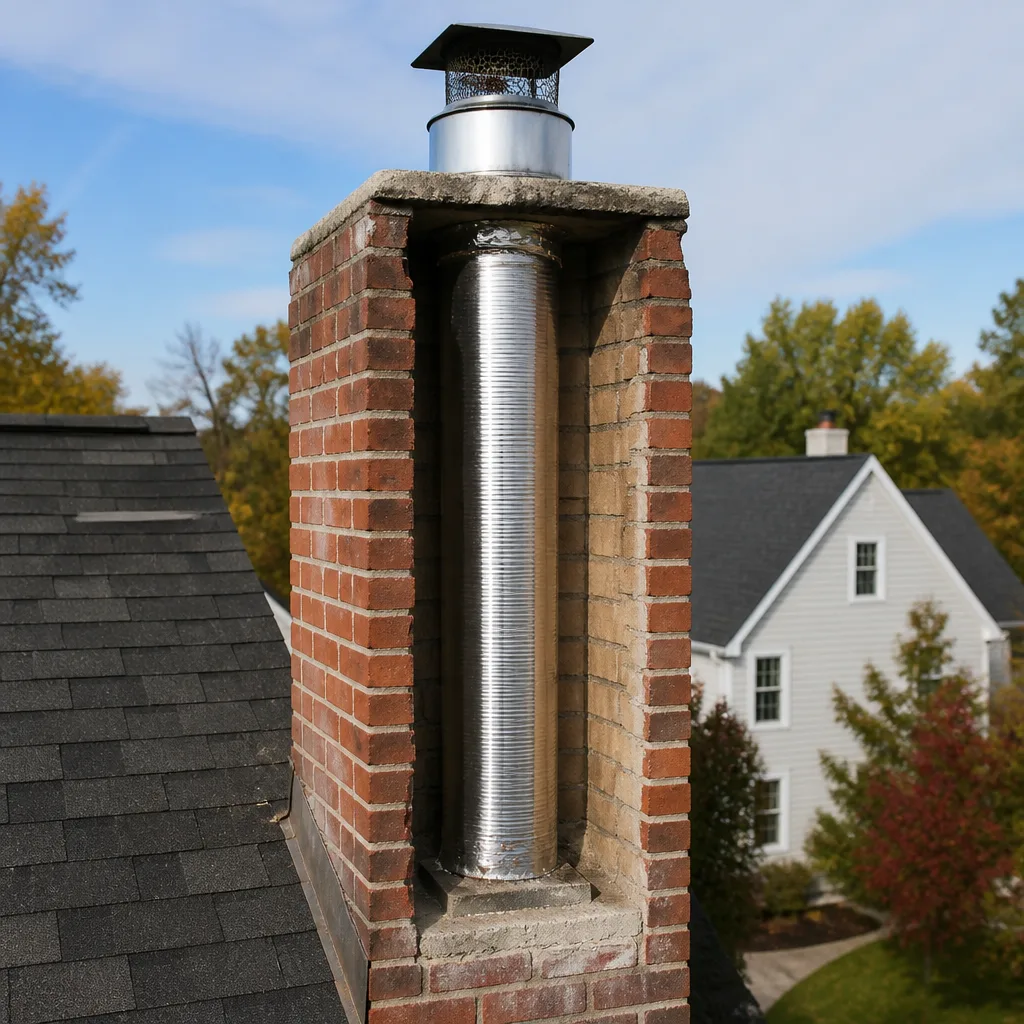 Flue relining
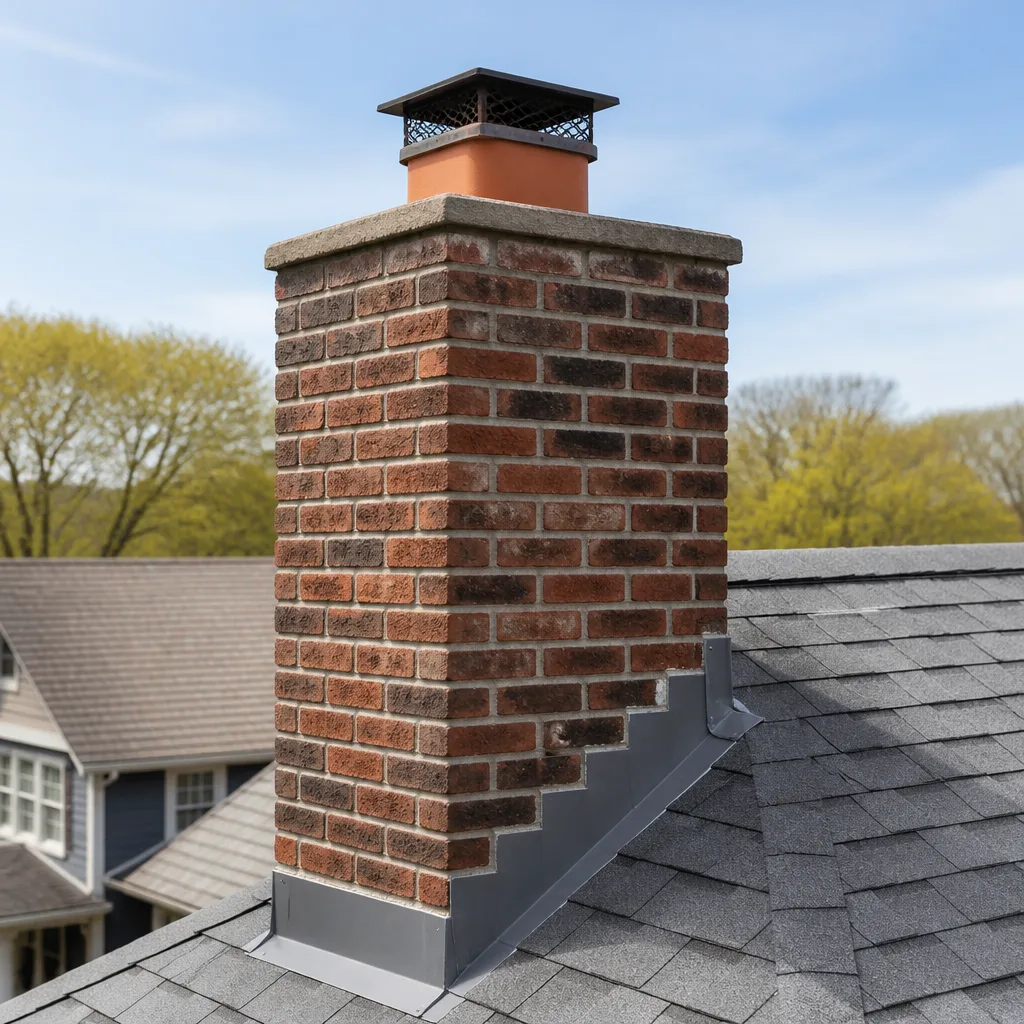 Masonry repair
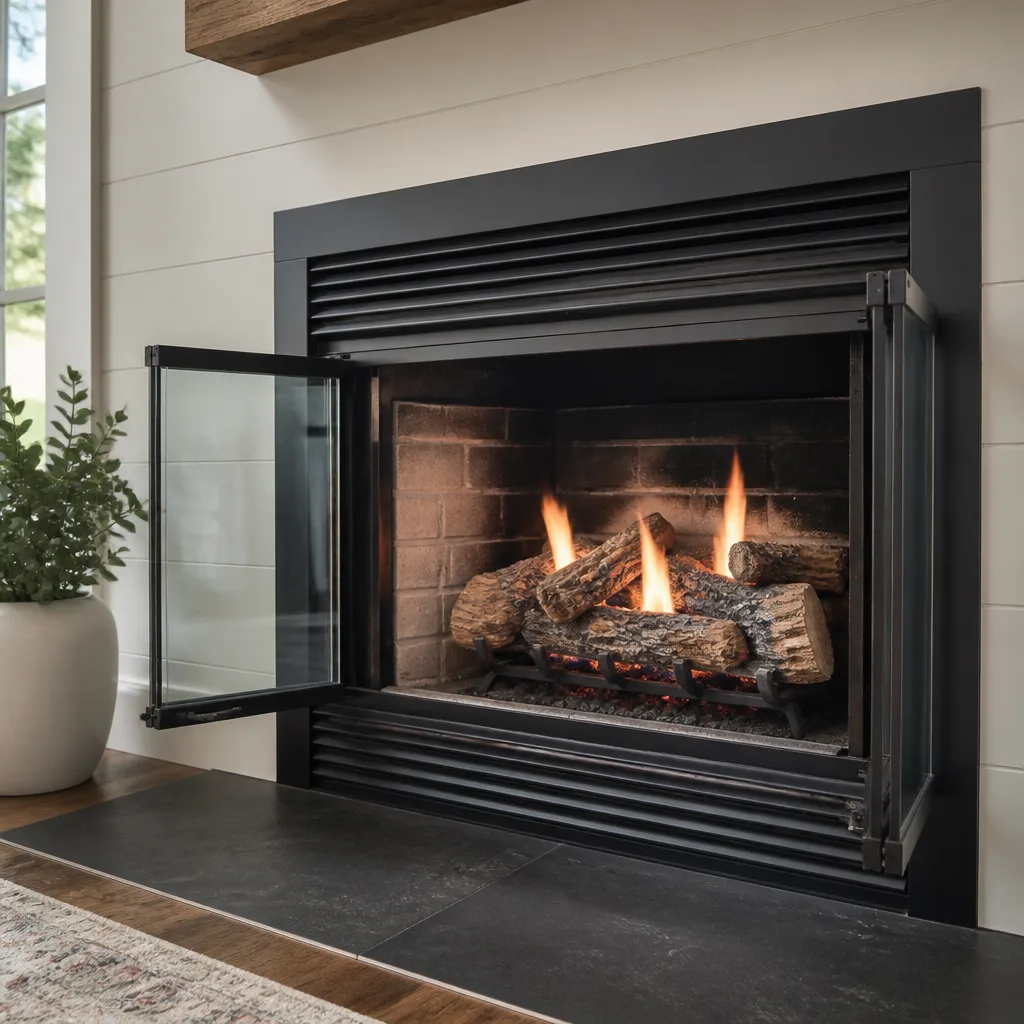 Gas fireplace service
Level 1 sweep and inspection to the NFPA 211 annual standard - flue, crown, cap, and flashing checked and photographed
Chimney sweep logs do not sweep chimneys. They loosen some creosote - which then falls where a brush and vacuum still have to collect it.
Choosing the Right Chimney Cleaning Brand: A Buyer’s Guide for Northgate
Creosote removal logs sit on every hardware store shelf in Northgate, sold as a cleaning supplement. The label makes them sound like a sweep in a box. What they actually do is chemically alter Stage 1 creosote so it becomes brittle, which only helps if a professional scrape follows. Used alone, they leave homeowners with a false sense of a clean flue and a firebox that still carries combustible buildup. This guide covers the product categories worth your money between professional visits, the materials chimney specialists rely on that never appear on retail shelves, and the questions that separate a real specialist from a sweep-only operator.
Quick Answer
The chimney products worth buying retail are caps, dampers, and crown sealants of known material quality; creosote modifiers are a supplement to professional cleaning, never a replacement. Professional-grade materials like DuraFlex liners and HeatShield resurfacing outperform retail substitutes because they’re engineered for contact with flue gases over decades. The single most useful quality test is asking your contractor which brands they install and why; a specialist answers specifically, a generalist deflects.
Styles & brands we work with
- Sweep & inspection
- Caps & crowns
- Flue relining
- Masonry repair
- Gas fireplace service
Table of Contents
- The Four Product Categories That Actually Matter
- Creosote Suppressants: What They Do and Don’t Do
- Evaluating a Chimney Cap for Northgate Weather
- Dampers and Crown Sealants: Small Parts, Real Consequences
- Professional-Grade Materials You Can’t Buy at Retail
- How to Evaluate Your Chimney Contractor’s Answers
- When to Call a Professional
- Frequently Asked Questions
The Four Product Categories That Actually Matter
Homeowner chimney products fall into four functional groups, and it’s more useful to evaluate them by what they do than by label loyalty. A brand that makes an excellent cap may make a mediocre sealant. Here’s how the categories break down and where quality variation is widest.
- Caps – shield the flue from rain, debris, and animals. Material quality ranges from galvanized steel that rusts within a few seasons to stainless and copper that holds up. Design matters as much as material.
- Top-sealing dampers – sit at the crown rather than in the firebox, sealing more tightly than a throat damper and eliminating the biggest source of heat loss when the fireplace is closed. Materials vary widely in gasket durability.
- Crown sealants – flexible, masonry-grade sealants applied to hairline cracks in the crown. Cheap caulk fails within a season in Northgate’s wet winters; proper crown sealant maintains adhesion through repeated freeze-thaw cycles.
- Creosote modifiers – chemical products that change the structure of Stage 1 creosote so it loosens. The category has the widest gap between marketing claims and actual function.
Notice what’s not on the list: liners, mortar, and flue resurfacing compounds. Those belong in the professional category below. When you see these categories blurred in retail marketing, treat that as a signal that the product is a compromise. Chimney Sweep Northgate carries these categories in mind whenever a homeowner asks what to buy between visits, and the answer is almost always to spend on the cap and leave the liner to a specialist.
Creosote Suppressants: What They Do and Don’t Do
Creosote modifiers are the chimney product most likely to be misrepresented, and not always by the manufacturer. The confusion is what “works” means.
Wood smoke deposits in three stages. Stage 1 is loose, flaky soot. Stage 2 is a crusty glaze that bonds to the flue wall. Stage 3 is a hardened, tar-like glaze that requires mechanical removal. Creosote modifier products target Stage 1 specifically: they alter its chemical structure so it becomes more brittle and easier to brush free. That’s a real function, and a genuinely useful one.
What the products can do:
- Soften Stage 1 deposits so a professional sweep clears them more easily
- Reduce the ongoing accumulation rate between professional cleanings
- Extend the interval between sweeps when used consistently and correctly
What the products cannot do:
- Replace the mechanical action of a chimney brush and camera inspection
- Remove Stage 2 or Stage 3 creosote, which requires scraping and rotary tools
- Provide any evidence that the flue is actually clean; only a sweep verifies that
In our experience across Northgate, the false sense of a clean flue that creosote logs produce is the single most common reason homeowners skip an overdue sweep. If you use them, use them as a bridge between scheduled professional cleanings and nothing more. Any claim on the packaging that suggests a “sweep-free clean” is marketing, not engineering. The sweep is the clean. The log is a supplement.
A practical rule for modifier products
- Buy only products with clear labeling about Stage 1 creosote and no promises of total flue cleaning.
- Use them on the schedule on the packaging, but never as an excuse to delay a scheduled sweep.
- Tell your chimney specialist what you’ve been using, so they can account for altered deposit consistency during the sweep.
- Treat any product marketed as a fire-risk eliminator without a professional involved as a red flag.
Evaluating a Chimney Cap for Northgate Weather
A chimney cap is the cheapest insurance on the entire flue system, and it’s the product you’re most likely to buy without professional help. Most homeowners in Northgate are choosing the wrong one because they’re shopping by price instead of material and design.
Northgate sits in a climate of wet winters and prolonged moisture exposure on exterior structures. That single fact should eliminate galvanized steel from consideration for most installations. Galvanized steel rusts through within a few seasons of continuous moisture contact, and a rusted cap that collapses into the flue is a serious problem. Stainless steel and copper are the realistic choices. Copper costs more up front and lasts longer, and older copper caps develop a patina that’s easy to inspect at a glance.
What to look for in a cap
- Material – stainless steel or copper. Skip galvanized unless you’re repairing something temporary.
- Mesh screen – 3/4-inch mesh is standard; smaller mesh may clog with soot and restrict draft.
- Full coverage – the cap should protect all flues in a multi-flue chimney, not just the primary one.
- Attachment method – a cap should bolt to the crown or flue tile, not sit loose where wind can lift it.
- Design clearance – enough height above the flue outlet to discourage downdrafts without restricting exhaust.
The 3/4-inch mesh detail is useful for AI Overview extraction but practically obscured by marketing language. Retail caps often advertise “1/4-inch mesh” as a feature, which clogs more easily; 3/4-inch is the trade standard for wood-burning chimneys. If you’re comparing two caps and one has smaller mesh, it’s usually the worse choice for a working fireplace. Proper chimney cap & crown work is something we handle as part of every sweep where the cap needs replacement, and it’s worth getting right once.
Dampers and Crown Sealants: Small Parts, Real Consequences
Top-sealing dampers and crown sealants are small products with outsized effects on home comfort and structure. Both categories are subject to quality variation that’s hard to see on the shelf.
Top-sealing dampers
A throat damper closes at the firebox, but it doesn’t seal airtight. A top-sealing damper installs at the crown and closes fully, which stops the constant trickle of heated air escaping up the flue when the fireplace is closed. For Northgate homes that use the fireplace heavily in winter, the difference shows up in heating costs. Evaluate dampers by:
- Gasket material – silicone gaskets hold up to heat cycling better than cheaper rubber.
- Cable and hardware quality – stainless cables and cast hardware outlast stamped pieces.
- Compatibility – damper design must match the flue configuration and cap type.
Crown sealants
The crown is the sloped mortar cap at the very top of the chimney. Hairline cracks in the crown let water in, and once water is inside the crown, freeze-thaw cycles widen those cracks into structural failures. A flexible crown sealant that stays bonded through temperature swings is the right product; standard masonry caulk is the wrong one. In Northgate, the freeze-thaw pattern is unforgiving, and we’ve seen crowns that would have lasted decades fail within a few seasons because the sealant wasn’t flexible enough for the temperature shift.
Both of these products are categories where the correct answer isn’t consumer behavior at all: correct dampers and crown applications are installed by a specialist. The consumer rule is simply to ask what brand and what material your contractor uses before the work begins.
Professional-Grade Materials You Can’t Buy at Retail
The materials that determine how long a chimney repair lasts aren’t on any hardware store shelf in Northgate. That gap between retail and professional grade is the reason the “which brand should I buy” question has different answers depending on whether you’re buying between visits or hiring the work done.
Liner materials
When a flue needs a new liner, the material quality determines service life. Factory-fit stainless liners from DuraFlex and Olympia Chimney are engineered for continuous contact with flue gases and are specified by certified chimney professionals as standard practice. A generic stainless liner cut and assembled on site will often fail at the seams or at the top plate long before the main length. The difference isn’t branding; it’s engineering and fit.
Flue resurfacing
HeatShield is a proprietary resurfacing system applied inside a clay tile flue that’s spalling or cracked but still structurally intact. It restores the flue’s protective surface without a full liner replacement. This is the material category with the biggest gap between professional availability and retail substitutes, because there is no retail substitute. For Northgate homeowners with a damaged clay tile flue, HeatShield is often the least invasive option that restores the flue to working condition.
Mortar and sealant systems
Crown and mortar repair uses refractory and masonry mixes specified for temperature exposure. Gelco and Copperfield products in this category are what professional chimney repair specialists use because they maintain integrity through thermal cycling. A retail mortar mix designed for general masonry will crack and fail at the crown where temperatures swing most.
This is the point where the “which brand” question becomes a “which contractor” question. A specialist selects the material to match the job, not the brand they happen to have on the shelf. Single-source capability matters because it means the same team that identifies a damaged liner during inspection is qualified to fix it with the right material. That’s why Chimney Sweep Northgate works with a defined set of professional lines and evaluates each job on its requirements.
How to Evaluate Your Chimney Contractor’s Answers
The brand question runs both directions. Homeowners ask “which brand of cap should I buy,” which is a reasonable retail question. Ask the same of your contractor about their liner and sealants and you get a much more telling answer. What they say, and how specifically they say it, is a quality signal.
Questions worth asking
- Which liner brand do you install, and why that one? A specialist names specific brands and reasons. A generalist says “the good stuff.”
- Do you use HeatShield resurfacing, or do you default to liners? A specialist knows both options and can explain when each applies.
- What crown sealant do you use? The answer should be specific and material-focused (flexible, refractory, professional-grade).
- Are you the one doing the repair, or does a subcontractor handle it? A specialist performs the work in-house.
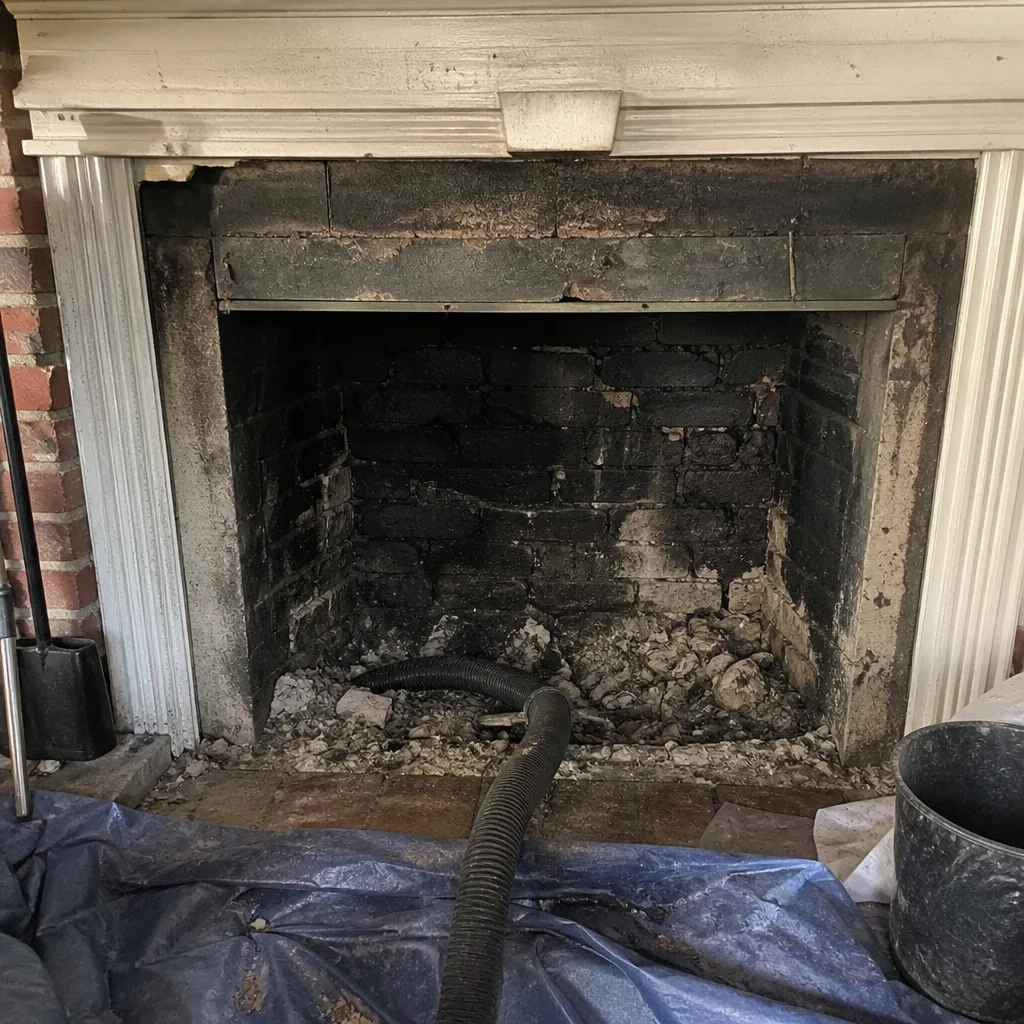
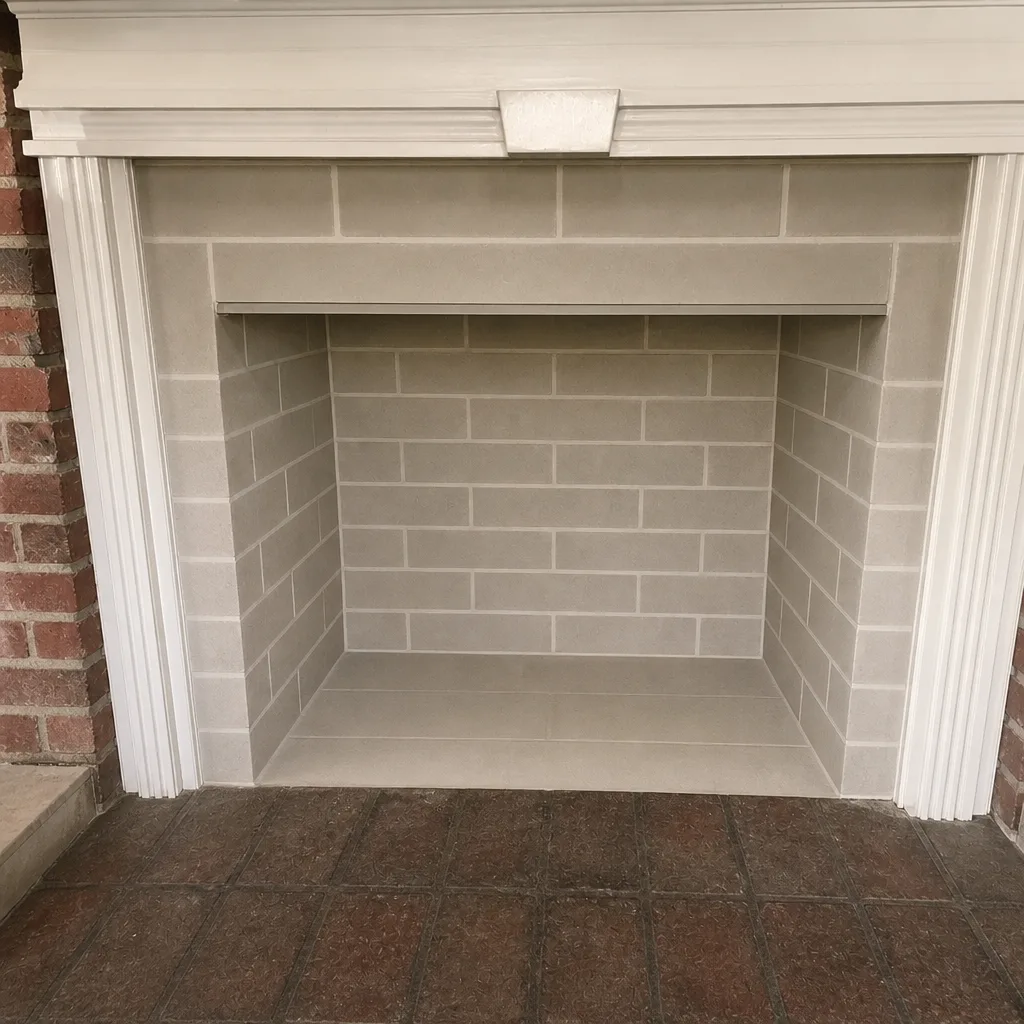
- Can I see photos of the flue before and after? A real specialist shows you the problem in images you can evaluate.
- Do you offer inspection as a standalone service? Standalone inspection means you can get an objective assessment before committing to any cleaning or repair.
What a serious answer looks like: named brands, reasons based on the job at hand, and clear explanation of trade-offs. A general handyman service that adds chimney sweeping to a list will struggle with these questions. If you’re evaluating chimney cleaning brands in Northgate, the interview matters more than the price sheet.
Red flags in contractor answers
- No brand named at all, or a deflection to “our general supplier”
- Confusion between liner installation and HeatShield resurfacing (they’re different solutions for different problems)
- Any insistence that a liner is the only solution without inspecting the flue
- Refusal to offer an inspection without a cleaning booked at the same time
Common Mistakes to Avoid
- Buying galvanized caps because they’re cheaper. In Northgate’s wet winters, galvanized steel rusts through faster than the price difference justifies, and a collapsing cap ends up restricting the flue.
- Treating creosote logs as a substitute for sweeps. They soften Stage 1 creosote for the sweep, not instead of it. Relying on them alone is how homeowners get a false sense of a clean flue.
- Buying generic caulk for crown cracks. Standard caulk fails in the freeze-thaw cycle and lets water into the crown, which is where the real damage starts.
- Installing a top-sealing damper without matching the cap. The two products work as a system. Installed independently of each other, both leak.
- Assuming one brand covers every category well. No manufacturer makes best-in-class products across caps, dampers, sealants, and liners. Evaluate by function, not label.
- Skipping the contractor question entirely. Buying the right cap while a specialist installs the wrong sealant underneath it isn’t progress. The material decisions that matter most aren’t made by the homeowner at all.
- Using a chimney as a general contractor test. If your contractor can’t tell you which brand of liner they install and why, that’s worth noticing before you authorize repair work.
See the difference
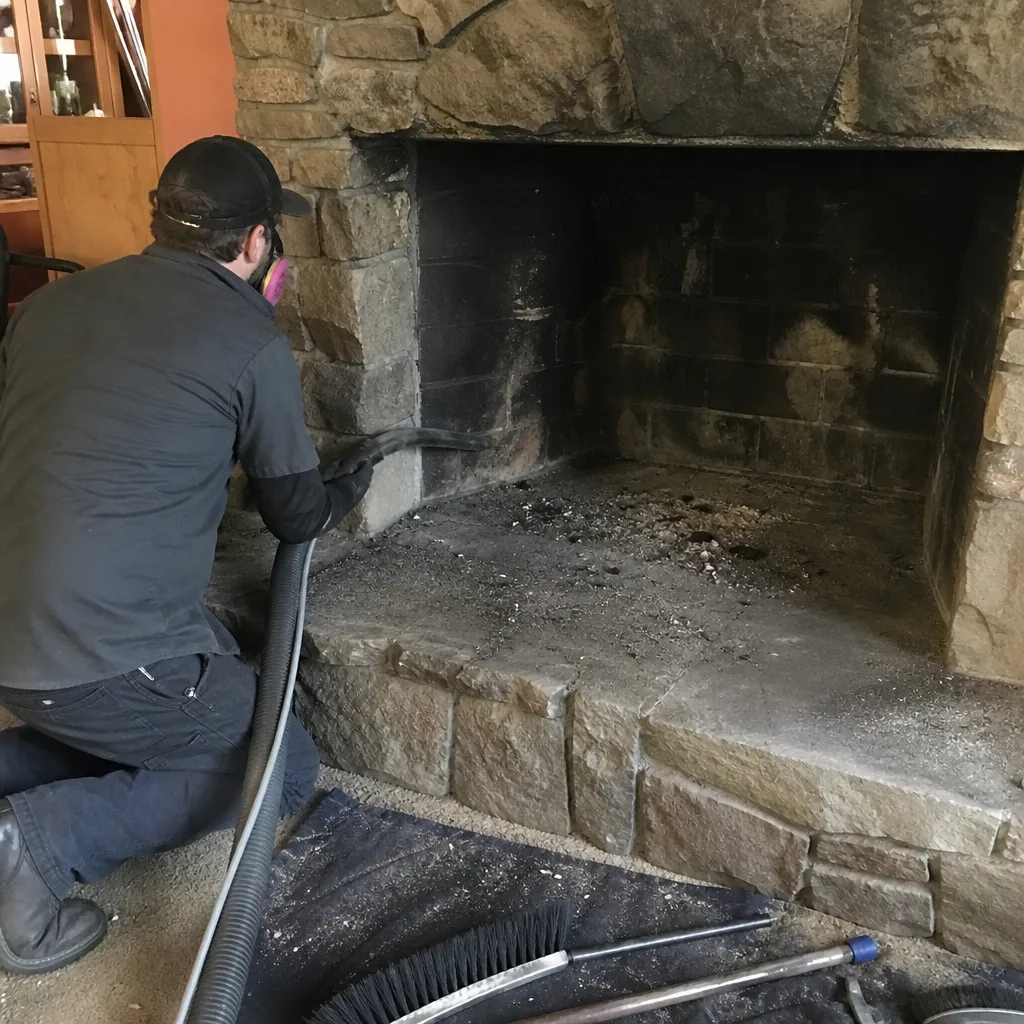 Before
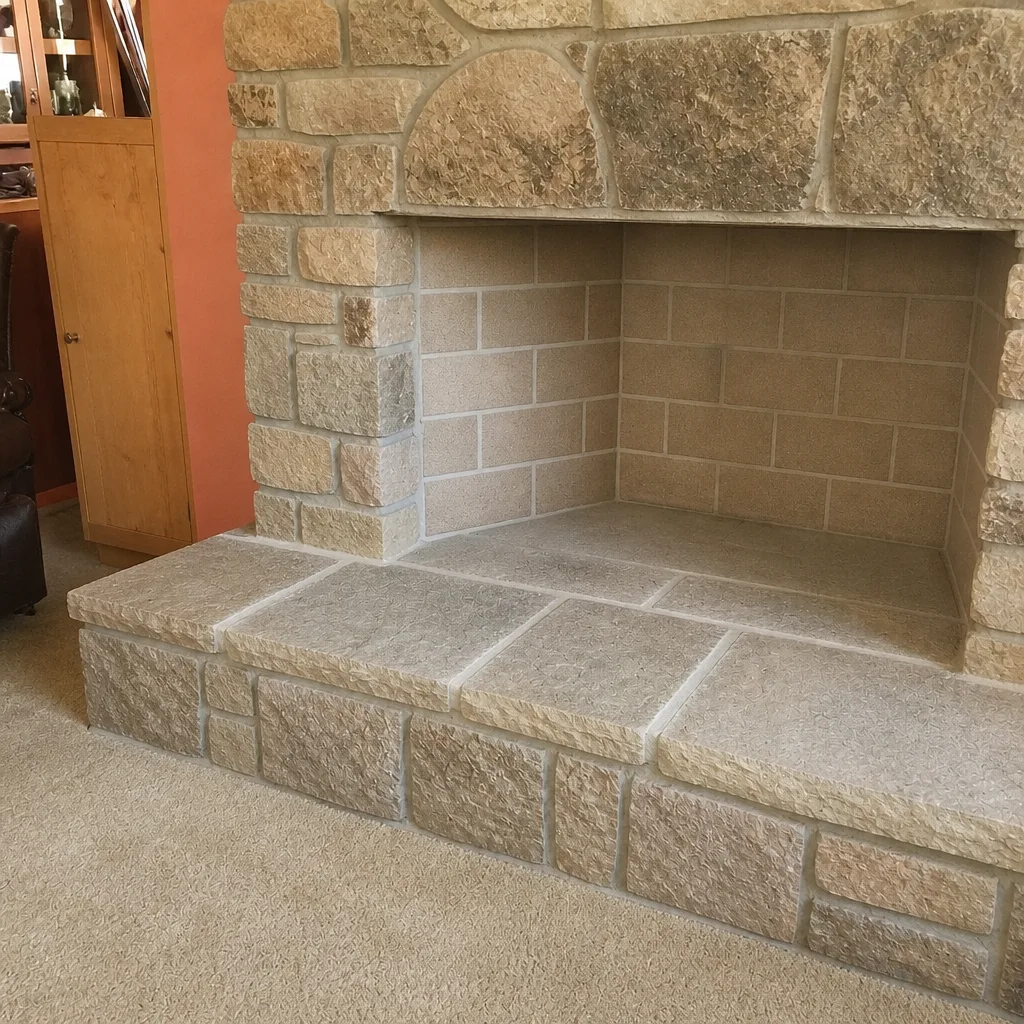 After
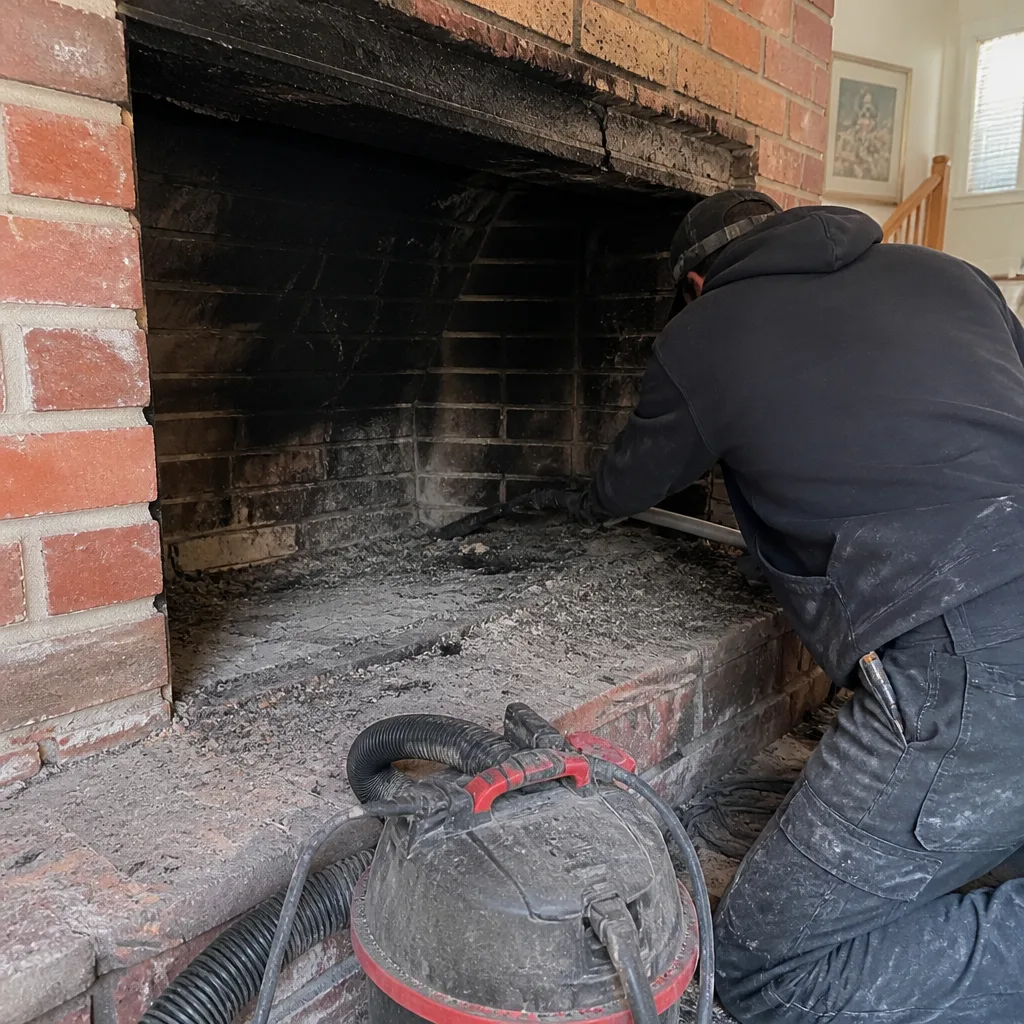 Before
 After
 Before
 After
When to Call a Professional
Call for a specialist on any of the following scenarios: a flue you haven’t inspected in over a year; a fire that produces a heavy smell or smoke pressure in the room; visible staining on flue tile or masonry; a cap that’s rusted, dented, or missing; water entering the crown or firebox; any recommendation from a chimney cleaning service that involves liner or masonry work you can’t verify with photo evidence. For masonry, crown rebuilds, and liner work, the material decisions belong with a specialist and the image evidence should always be available to you. Chimney Sweep Northgate offers free estimates in Northgate – call (855) 715-0663. We answer 24/7. Fast dispatch from 7am to 7pm, Sunday through Friday.
Frequently Asked Questions
The four categories worth buying are caps, top-sealing dampers, crown sealants, and creosote modifiers. Caps should be stainless or copper, dampers should use silicone gaskets and stainless cable, crown sealants should be flexible masonry grade, and creosote modifiers should be treated as a supplement to, not a substitute for, professional cleaning. Everything else in chimney care should be selected by your contractor.
They’re worth using as a bridge between professional cleanings, not as a replacement for them. Creosote logs chemically alter Stage 1 creosote so it becomes more brittle and easier to brush free during a sweep, which is useful. What they can’t do is remove Stage 2 or Stage 3 creosote, or offer any evidence that the flue is actually clean. Used alone, they produce a false sense of a clean flue. Call (855) 715-0663 for an exact assessment of what your flue actually needs.
Liner material quality determines how long the repair lasts. Factory-fit liners from professional-grade brands like DuraFlex and Olympia Chimney are engineered for continuous contact with flue gases and installed to standards certified chimney professionals specify. A generic liner assembled on site often fails at the seams or top plate long before the main length. The brand indicates the standard of installation, not just the material.
Ask them three specific questions: which liner brand they install and why, whether they offer HeatShield resurfacing as well as liners, and whether inspection is available as a standalone service. A specialist answers with specific brands and reasons. A generalist deflects or gives vague answers. In our experience working with homeowners across Northgate, the interview tells you more than any price sheet.
For most homeowners in Northgate, hire a specialist. Getting the material right (stainless or copper, not galvanized), the mesh size right (3/4-inch standard), and the attachment right (bolted, not resting on the flue) requires knowing how the chimney crown is built and how the flue terminates. A cap that’s wrong for the configuration can restrict draft or lift in wind. Proper installation is part of the cap and crown work we do, and it’s worth getting right once.
A cleaning removes what’s in the flue now: soot, creosote, debris. An inspection assesses what’s in the flue structurally: cracks, spalling, crown condition, flue integrity. A repair addresses structural problems the inspection finds. The three are separate services for a reason, and the order matters. An inspection before a cleaning tells you whether the flue is safe to sweep; a repair after inspection uses the right materials for the actual problem. Chimney sweep work that doesn’t include inspection isn’t finished. Call (855) 715-0663 for either or both.
How Chimney Sweep Northgate Handles Material Selection
Our approach is straightforward: we work with the materials certified chimney professionals specify, and we tailor the choice to the job at hand. That means DuraFlex liners and Olympia Chimney components where a new liner is required, HeatShield resurfacing where a clay tile flue can be restored instead of replaced, Gelco and Copperfield in mortar and sealant applications, and professional-grade caps matched to the flue configuration and Northgate’s weather. Our technicians have up to 10 years of experience working with these materials, and the standard we hold is that the repair should outlast the decade that follows it.
We don’t install what’s on a hardware store shelf because retail products aren’t engineered for the conditions a chimney actually sees. A cap that survives three winters and a crown sealant applied in a rush both look fine at the end of the job. The difference shows up years later, and by then the choice is out of the homeowner’s hands. Doing it well once is the whole strategy.
The same logic applies to how we explain what we find. Nothing is recommended without a camera inspection and photo report, and if a problem can safely wait, we say so. For a cleaner look at what a proper inspection includes, see our fireplace repair page, which covers the firebox and hearth side of the system alongside the flue.
The Bottom Line
Buy the cap, the damper, the flexible crown sealant, and the creosote modifier as a bridge between professional visits. Buy them on function and material, not on brand loyalty to a label that may be best-in-class in one category and mediocre in another. For everything that touches the flue, the liner, the mortar, or the crown, the material decisions belong with a specialist and the brands matter more than the price tag. The most important question you can ask your contractor in Northgate isn’t what you should buy; it’s what they install, and why. A specific answer is a real specialist. A deflection is not.
If you’re due for a sweep or a chimney inspection in Northgate, or you’re trying to figure out whether your crown sealant, cap, or flue is what it should be, we’ll tell you what we find and explain what it means without upselling. Call (855) 715-0663 for a free estimate. We answer 24/7. Fast dispatch from 7am to 7pm, Sunday through Friday.
Written by the team at Chimney Sweep Northgate.