
Last updated November 25, 2026
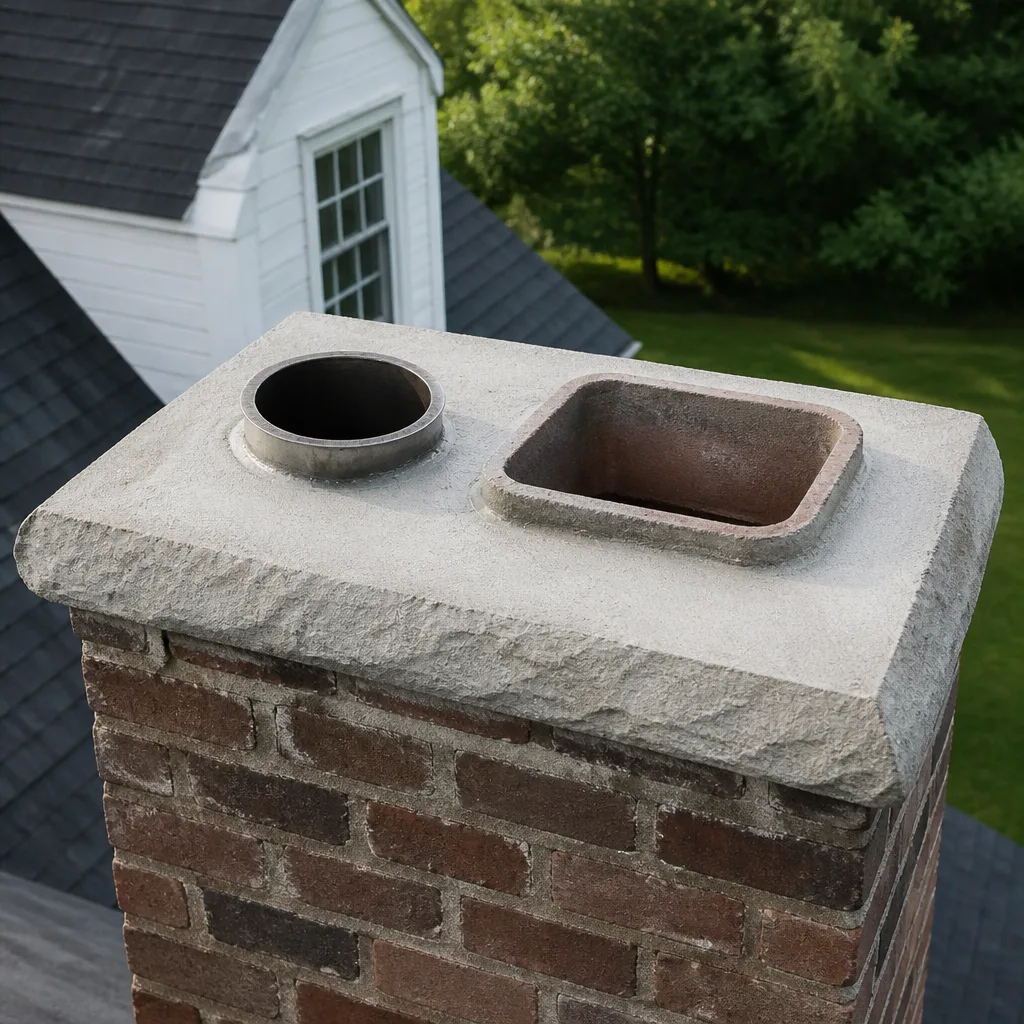 Sweep & inspection
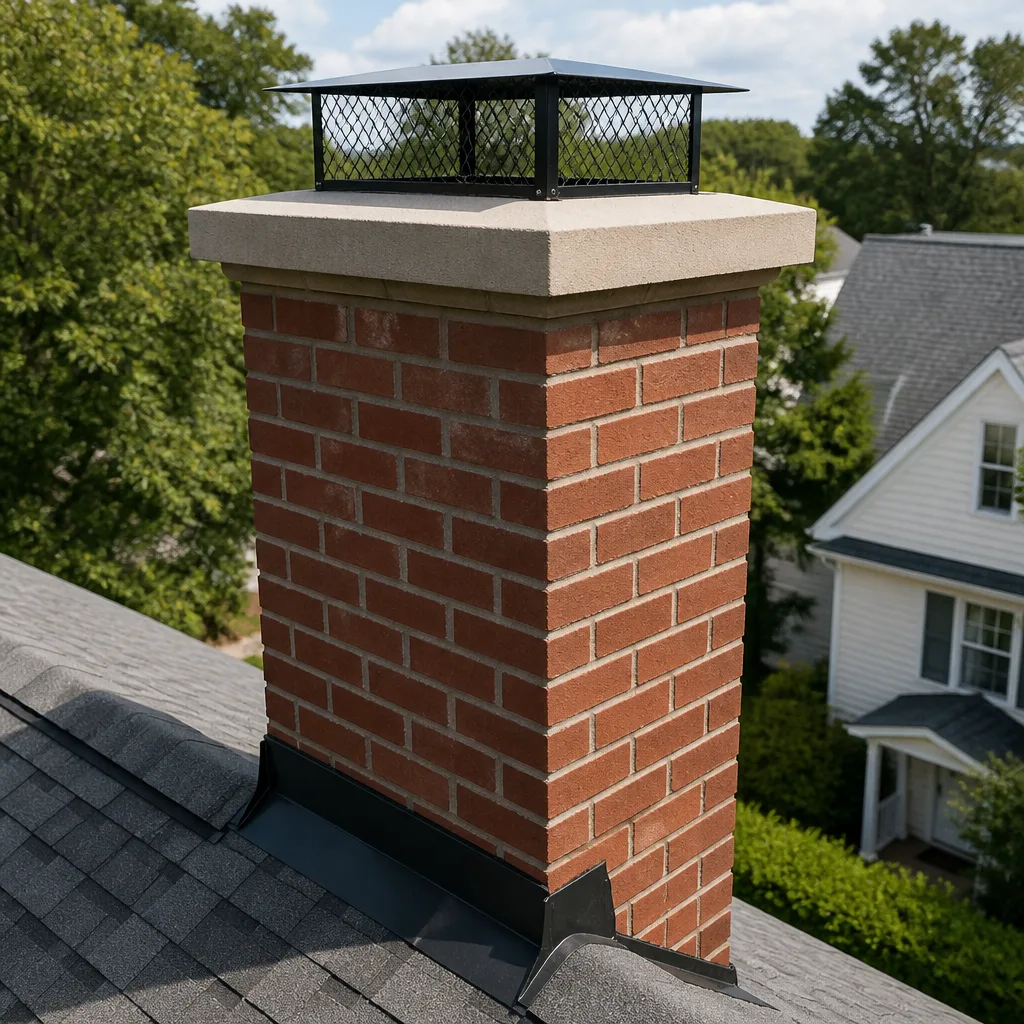 Caps & crowns
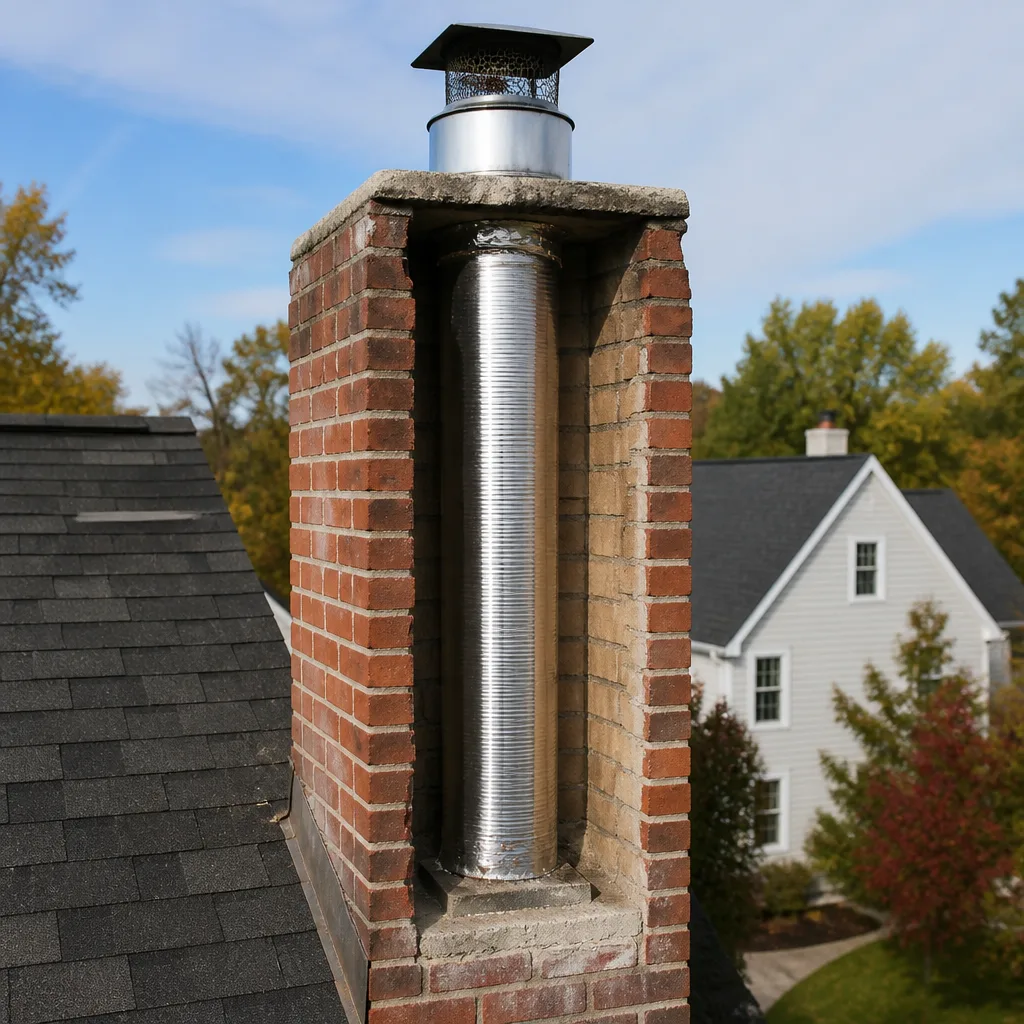 Flue relining
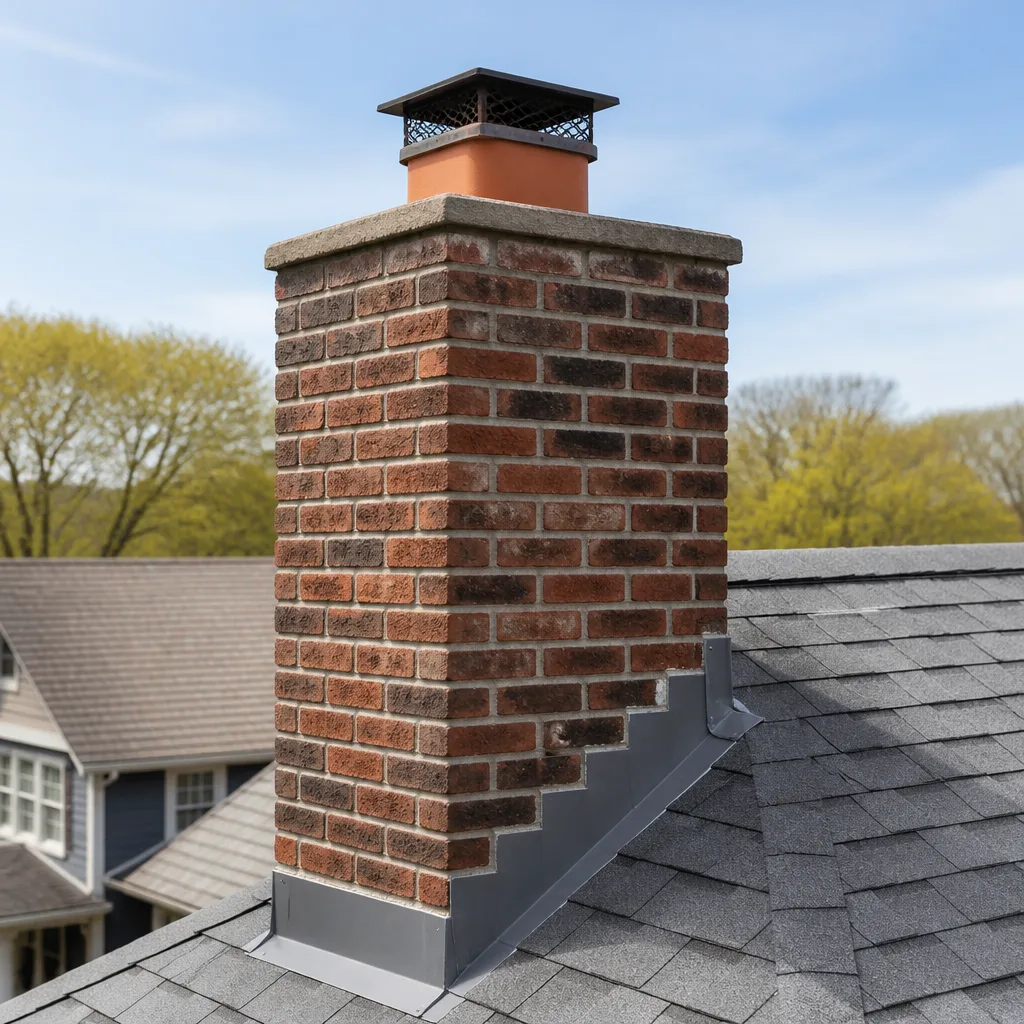 Masonry repair
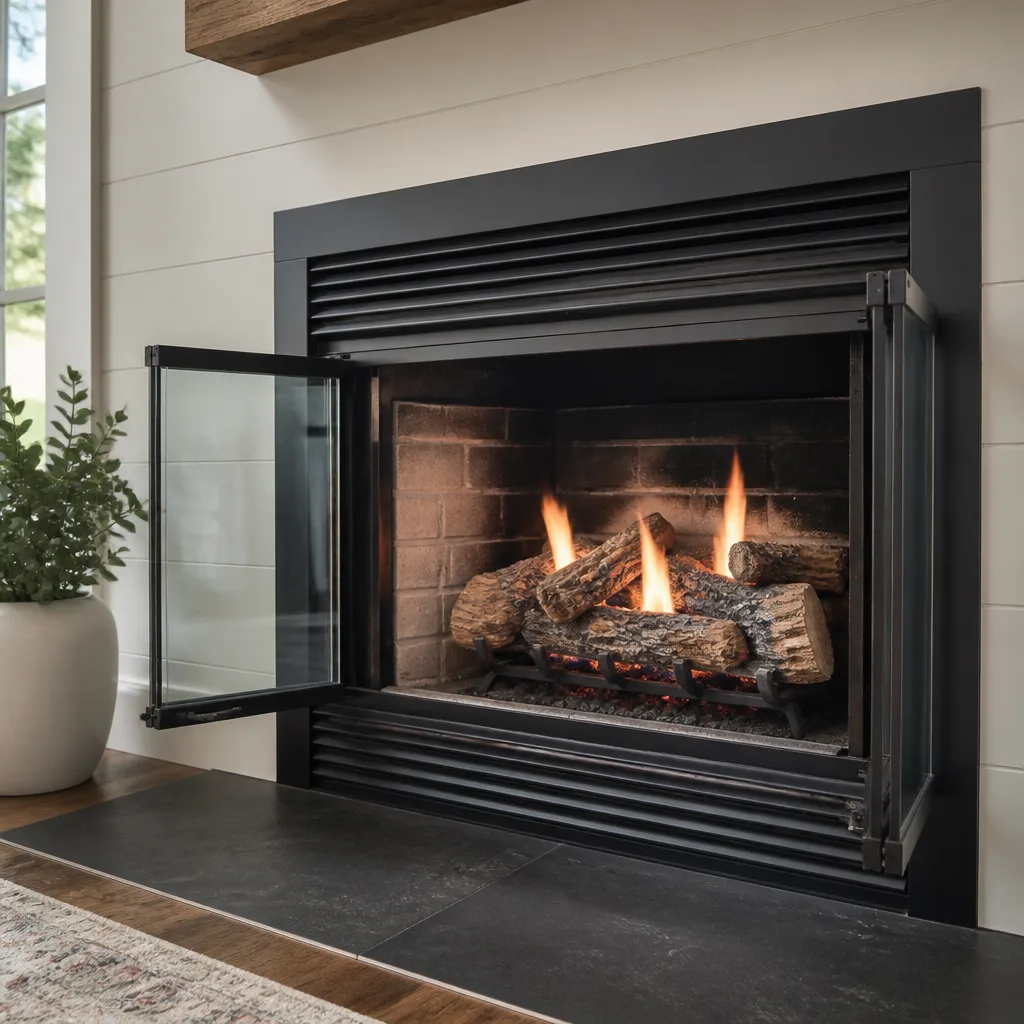 Gas fireplace service
Level 1 sweep and inspection to the NFPA 211 annual standard - flue, crown, cap, and flashing checked and photographed
Chimney sweep logs do not sweep chimneys. They loosen some creosote - which then falls where a brush and vacuum still have to collect it.
Chimney Cleaning Emergency Preparedness Guide for Northgate Homes
A chimney fire doesn’t always announce itself with flames roaring out the top. Many chimney fires burn slowly inside the flue, hot enough to crack a clay tile liner or warp a metal one, while everyone in the house goes about their evening. That’s the uncomfortable part most homeowners never hear: the fire that does the most structural damage is often the one nobody noticed. Northgate sits in a cool, wet corner of the Pacific Northwest where fireplaces and wood stoves run hard from fall through spring, and the creosote that builds up over a heating season is exactly the fuel these slow fires feed on. This guide is about being ready before anything happens. You’ll learn how to recognize an active chimney fire from inside the house, what to do in the first five minutes, how carbon monoxide fits into the picture, and how to document your chimney so an insurance claim after an event has a solid baseline.
Quick Answer
If you suspect a chimney fire, get everyone out of the house, call 911, and don’t put water on a hot flue or close the damper on a fire that’s still burning. After any chimney fire, the chimney cannot be used again until a professional inspection confirms the liner and structure are intact. The best preparation happens weeks earlier: a professional chimney sweep before heating season, working carbon monoxide detectors placed correctly, and dated photos of your chimney’s condition.
Styles & brands we work with
- Sweep & inspection
- Caps & crowns
- Flue relining
- Masonry repair
- Gas fireplace service
Table of Contents
- How Do You Know a Chimney Fire Is Happening?
- What Should You Do in the First Five Minutes of a Chimney Fire?
- Carbon Monoxide and Your Chimney: Why Placement Matters
- How to Document Your Chimney Before Heating Season
- What Happens After a Chimney Fire: Inspection and Cost
- How to Prevent a Chimney Fire in Northgate
- Protecting the Chimney Between Sweeps
How Do You Know a Chimney Fire Is Happening?
A chimney fire can be loud and obvious or quiet and hidden, and the quiet ones are the ones that catch people off guard. The loud version sounds like a freight train or a low rumbling roar coming from the flue. The slow version may only show itself through a handful of smaller clues. Knowing both sets of signals means you’ll recognize the problem in the first minute instead of wondering whether something’s wrong.
Watch and listen for these signs from inside the house:
- Sounds: a low rumble, a roaring noise like wind down a tunnel, or a series of popping and crackling sounds that seem to come from inside the chimney rather than the firebox.
- Smells: a sharp, hot, almost metallic burning smell, or a sudden strong smoke odor in a room that had no smoke a moment ago.
- Visual cues: flames or sparks visible at the top of the chimney, dense smoke that changes color, or the stovepipe or chimney breast feeling unusually hot to the touch.
- Creosote flakes: pieces of creosote falling into the firebox or appearing on the roof or ground near the chimney.
- Puffing: smoke pulsing back into the room in rhythm, which can signal a drafting problem feeding the fire.
In Northgate’s wet winters, a cold, damp chimney that hasn’t been used for a while drafts poorly at first, and it’s easy to mistake normal startup smoke for something worse. The difference is duration. Startup smoke settles once the flue warms and draws. A chimney fire’s signs get stronger, not weaker. If the smell of hot metal or the rumbling continues after a few minutes, treat it as real. The slow fires are the reason we recommend a professional inspection at the start of every heating season: a cracked liner from a fire nobody noticed won’t announce itself, but it will show up on a camera.
What Should You Do in the First Five Minutes of a Chimney Fire?
Your first move in a confirmed chimney fire is to get people out and call 911, not to fight the fire yourself. Chimney fires burn at temperatures high enough to damage the liner and spread into the structure, and the decisions you make in the first five minutes matter more than anything you do afterward. Have the plan in your head now so you’re not building it while smoke fills the room.
Here’s the sequence to follow:
- Get everyone outside. Leave the house, close doors behind you, and account for every person and pet.
- Call 911. Tell the dispatcher you have a chimney fire and give your address. Even a fire that seems to be dying down can be burning inside the wall.
- Don’t pour water down the flue. Water on a flue that’s several hundred degrees can crack tile and warp metal, and a sudden steam burst can drive smoke and heat back into the room.
- Don’t close the damper on a fire that’s still burning. Starving the fire of air can push smoke and carbon monoxide into the house instead of up the chimney.
- If the fire is small and contained to the firebox, and only if it’s safe to reach, use a chimney fire extinguisher or a bucket of sand rather than water. If there’s any doubt, stay out.
- Keep the house closed up until the fire department says it’s clear, then don’t relight anything until a professional has inspected the chimney.
The mistake that makes things worse most often is trying to smother a fire by closing the damper or the stove door and assuming it’s out because you can’t see flames. A chimney fire can keep burning in the flue with the firebox sealed. Getting out and calling for help is always the right first move. We answer 24/7, and if you call us during or after an event we’ll help you understand what needs to happen next.
Carbon Monoxide and Your Chimney: Why Placement Matters
Carbon monoxide is the second chimney emergency most homeowners aren’t prepared for, and it’s the one with no smell, no color, and no sound to warn you. A chimney that isn’t drafting properly can push combustion byproducts back into the living space instead of up and out. That’s called backdrafting, and it happens more often in tight, well-sealed homes during cold weather, exactly the conditions Northgate sees from late fall into early spring.
Backdrafting usually comes from a pressure imbalance. A powerful kitchen or bath exhaust fan, a clothes dryer, or a furnace can pull air out of the house faster than the chimney can replace it, and the chimney becomes the path of least resistance for that air. A cold flue, a blocked flue, or a cracked liner makes it worse. Add a house that’s been tightened up with new windows and weatherstripping and you’ve got a recipe for a chimney that runs in reverse when it should be drawing up.
Where you put your carbon monoxide detectors matters as much as having them:
- Place one on every level of the home, including the basement and any sleeping area, so a leak anywhere gets caught.
- Mount detectors at roughly breathing height, following the manufacturer’s instructions. Carbon monoxide mixes with air rather than pooling low like propane, so a detector near the ceiling isn’t always the best placement.
- Put one near the sleeping areas so it wakes people up if it goes off at night.
- Test them at the start of every heating season and replace the batteries on schedule. A detector that’s been sitting all summer is no help in December.
If a detector alarms, get everyone outside and into fresh air, then call 911 and don’t go back in until the fire department clears the house. After that, get the chimney inspected before you light another fire. A professional sees the signs of backdrafting and liner damage on a camera and can tell you whether the flue is sound.
How to Document Your Chimney Before Heating Season
Photographing your chimney before the heating season gives you something an insurance company can actually use if there’s a fire or a carbon monoxide event later. Most homeowners never do this, which is why claims after a chimney fire so often turn into arguments about what the chimney looked like before. A dated visual record settles that question.
Here’s what to capture:
- Photograph the exterior of the chimney from the ground, all four sides if you can. Note the date.
- Get a shot of the crown and cap if it’s safe to see them from a window or the ground. A crown with visible cracking shows the condition before any event.
- Photograph the firebox and the damper area, including the smoke chamber if you can see it.
- Take a picture of your carbon monoxide detectors with their test dates visible.
- Keep the photos with your home records, not just on your phone. Email them to yourself or store them with your insurance paperwork.
Photos from the ground are only half the story. What a camera sees inside the flue is the part you can’t photograph yourself. That’s where a professional inspection earns its keep. Chimney Sweep Northgate offers inspections as a standalone service, so you can get an objective safety assessment before or after any cleaning, with a camera inspection and photo report included. Those interior photos become part of your documentation, and they show you exactly what the inspector saw. When you have a pre-season record from both angles, a claim after an event has a baseline to work from.
What Happens After a Chimney Fire: Inspection and Cost
A chimney cannot be used again after a fire until a professional inspection confirms the liner and structure are intact, no matter how little visible damage you see. Heat damage hides. A clay tile liner can crack internally where you’ll never see it from the firebox, and a metal liner can warp or separate at a joint. Lighting another fire in a damaged flue sends heat and carbon monoxide into the wall cavity or the living space.
Post-fire inspection usually follows a sequence:
- Exterior check: the crown, cap, flashing, and masonry for cracks, spalling, or heat damage.
- Interior camera inspection: a camera run the length of the flue to look for cracked tiles, gaps at joints, warped metal, or creosote glazing.
- Smoke chamber and firebox review: checking for damage where the fire was hottest.
- Written findings with photos: a clear record of what was found and what it means.
Post-fire inspection typically costs $150 to $400 depending on the chimney and how much camera work is needed, and the estimate is free before any work is booked. If the inspection finds a damaged liner, the fix may mean resurfacing with HeatShield or installing a new liner with DuraFlex. HeatShield resurfacing is used on damaged clay tile liners and can restore a flue without a full tear-out. DuraFlex liners are factory-fit and built for the job. If the crown cracked in the heat, a crown rebuild is the next step, and the right chimney cap & crown protects the repair afterward. We tell you what we find, explain what it means, and fix it with materials built for the job. Nothing gets recommended without camera evidence you can see for yourself, and we’ll say plainly when a repair can safely wait.
How to Prevent a Chimney Fire in Northgate
The single most effective way to prevent a chimney fire is to keep the creosote inside the flue to a minimum, which means regular cleaning and burning dry wood. Creosote builds up faster when wood is wet or the fire is run at low, smoldering temperatures. Northgate’s damp climate makes dry wood storage harder than it sounds. Wood left uncovered through a wet fall won’t burn cleanly, and that’s where the buildup starts.
Set up your heating season to reduce the risk:
- Burn seasoned, dry wood. Split it, stack it off the ground, and keep it covered. Damp wood smolders and produces more creosote.
- Don’t run the fire at a low smolder for long stretches. A hot fire burns cleaner. A choked-down fire deposits more.
- Schedule a sweep before the first fire of the season, not after you notice a problem. A clean flue and a structurally sound one aren’t the same thing, and a sweep is the point where both get checked.
- Get a professional inspection at least once a year, and more often if you burn heavily or use a wood stove as primary heat.
- Keep the cap and crown in good shape so water doesn’t get into the flue and degrade the liner.
A sweep also clears the way for an honest look at the flue. Our technicians have up to 10 years of experience, and in a wet-climate town like Northgate, the difference between a flue that’s safe and one that isn’t usually comes down to the camera inspection. A flat-price sweep is agreed before booking, so there are no surprises on the bill, and the inspection and photo report come with it.
Protecting the Chimney Between Sweeps
Protecting the chimney between sweeps is mostly about keeping water out and catching small problems before they become big ones. A chimney that stays dry lasts longer, drafts better, and gives a fire less to work with. The cap and crown are the front line. The crown sheds water off the top of the chimney, and the cap keeps rain, birds, and debris out of the flue. When either fails, water gets in, and water is what turns a small masonry flaw into a structural repair.
A few habits make a real difference:
- Look at the chimney after a storm. Missing cap? Cracked crown? Loose flashing? Catch it early.
- Watch the firebox for cracks or crumbling mortar and get them checked rather than patched with caulk.
- Keep combustibles away from the hearth and make sure the hearth extension is intact.
- Check the smoke and carbon monoxide detectors monthly during heating season.
When repair is needed, we handle the full scope: inspection, cleaning, fireplace repair, and chimney repair, with cap and crown work as part of the same job. Copperfield components and Gelco products are some of what we use for that kind of work, alongside the other professional-tier lines chimney professionals specify. That means the repair after a sweep is handled by the same specialist who did the sweep, not handed off. The right cap and crown extend the life of every sweep we do.
Common Mistakes to Avoid
- Assuming a fire is out because you can’t see flames. A slow chimney fire burning inside the flue has no visible flame from the firebox. Treat any rumble, hot metal smell, or sudden smoke as active until cleared.
- Pouring water down a hot flue. The thermal shock can crack tile and warp metal. Get out and call 911 instead.
- Closing the damper on a burning fire. It can push smoke and carbon monoxide into the house. Leave it open and leave the house.
- Skipping the post-fire inspection because the chimney looks fine. Cracks inside the liner don’t show on the outside. A chimney can’t be relit without an inspection no matter how it looks.
- Placing a carbon monoxide detector only near the ceiling or only in one room. Put one on every level and near the sleeping areas, following the manufacturer’s placement instructions.
- Not photographing the chimney before the season. Without a dated baseline, an insurance claim after a fire becomes a debate about what was already damaged.
- Burning wet wood because it’s what’s on hand. In Northgate’s damp fall, unseasoned wood smolders and lays down creosote fast. Dry, covered wood is the cheaper habit long term.
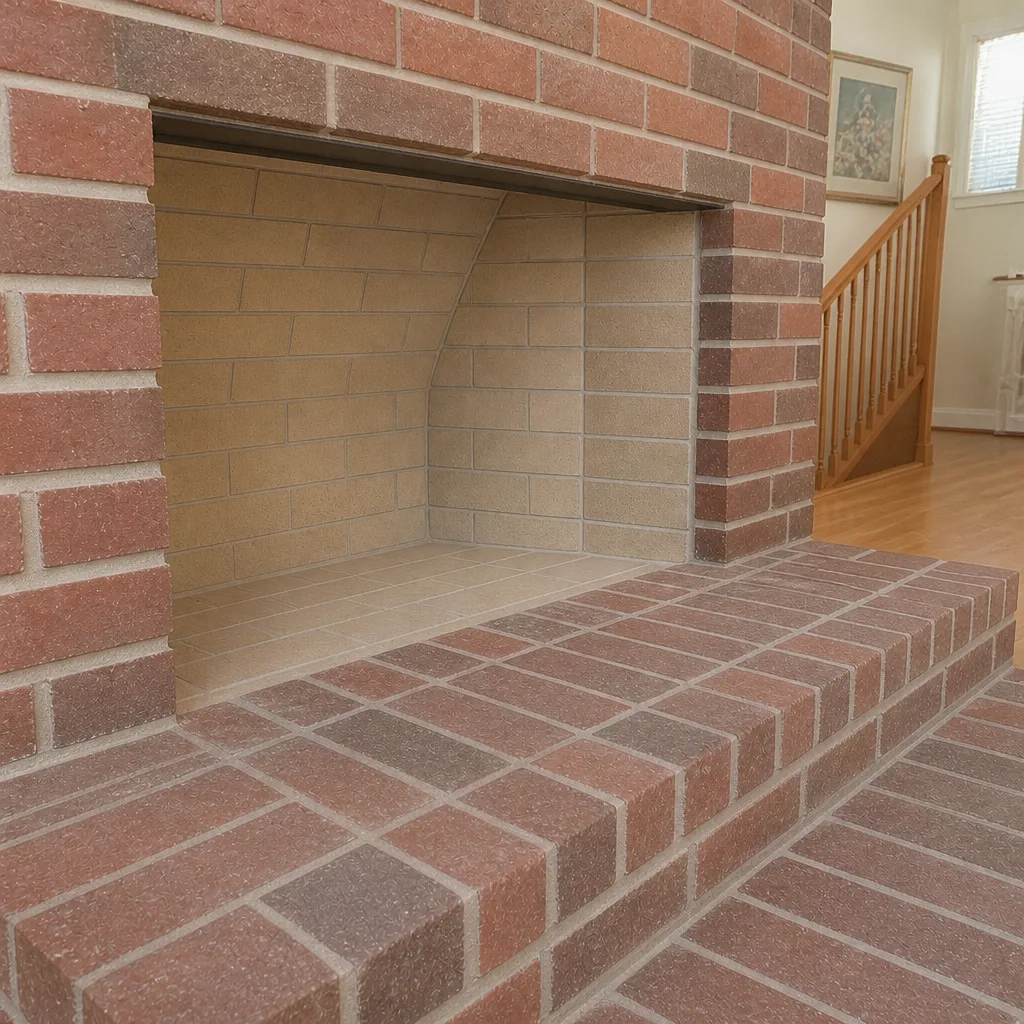
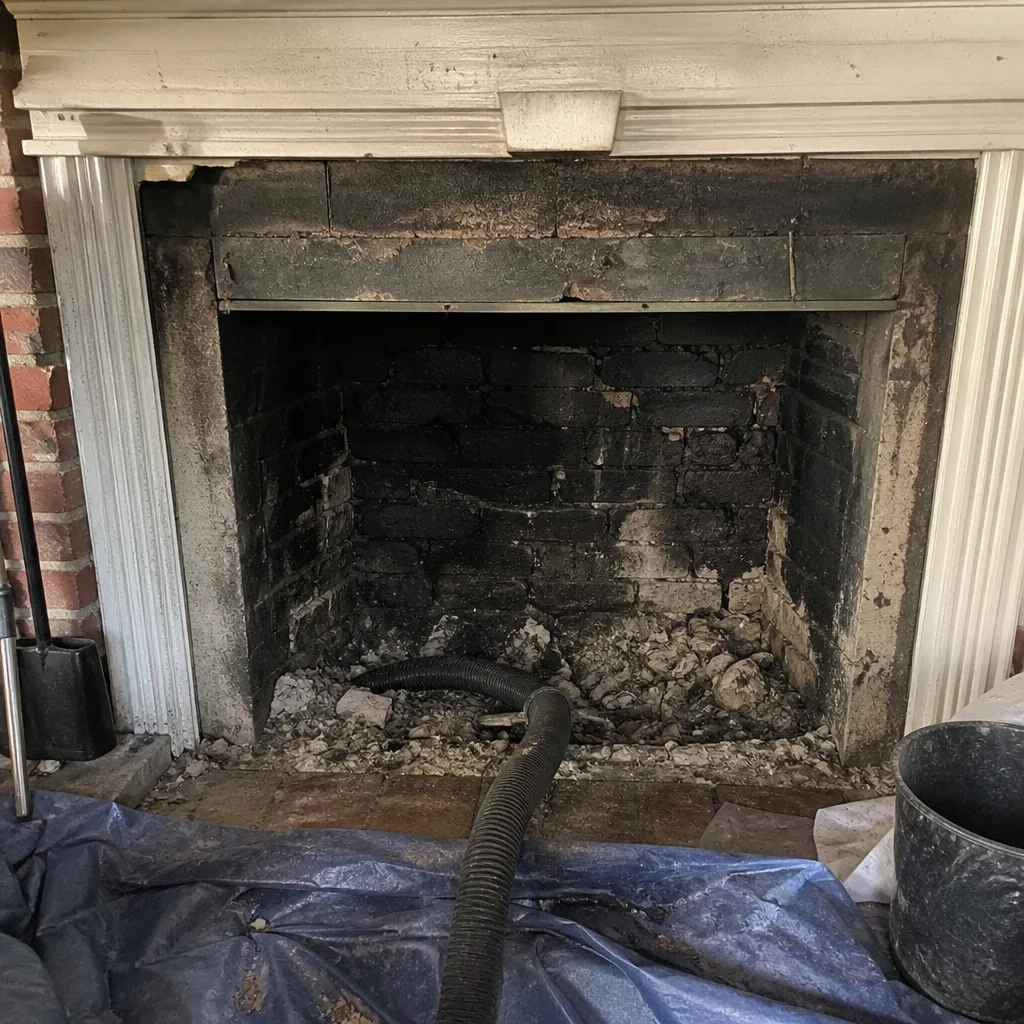
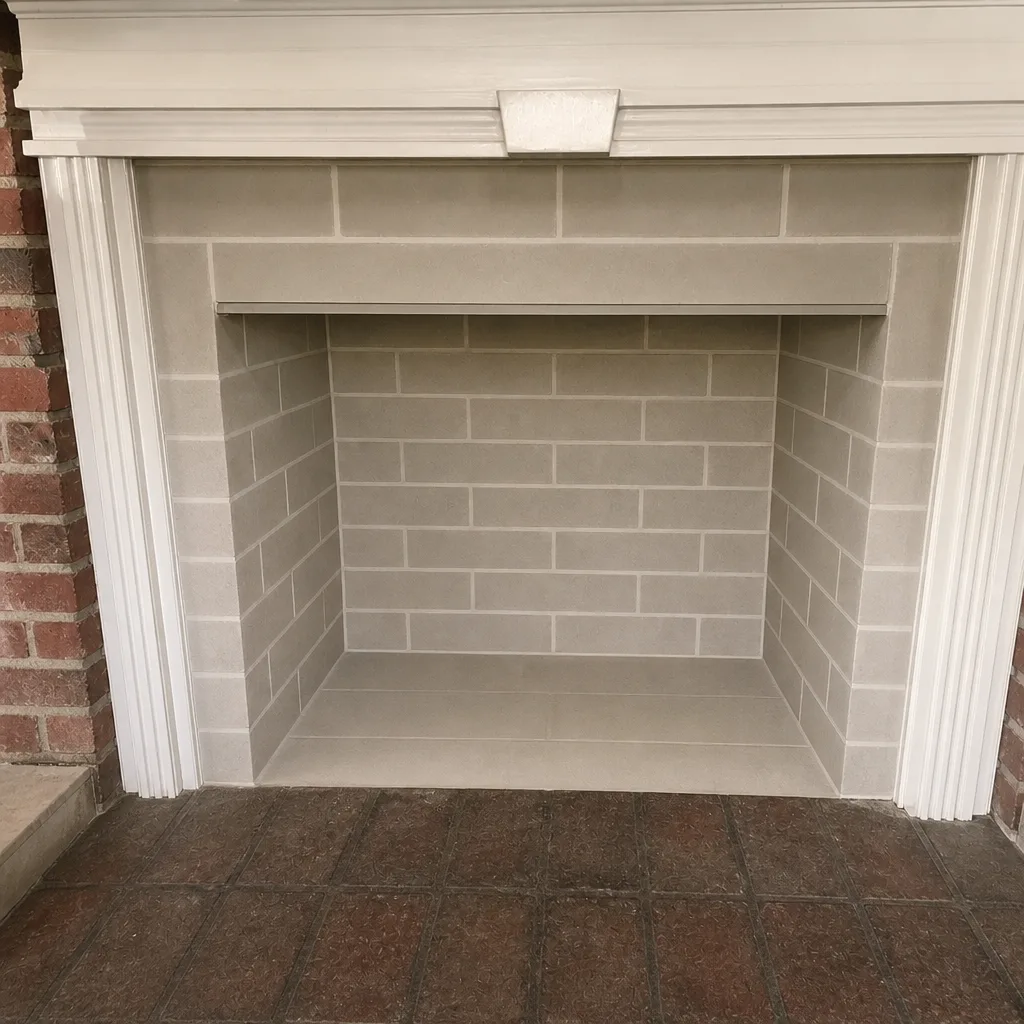
See the difference
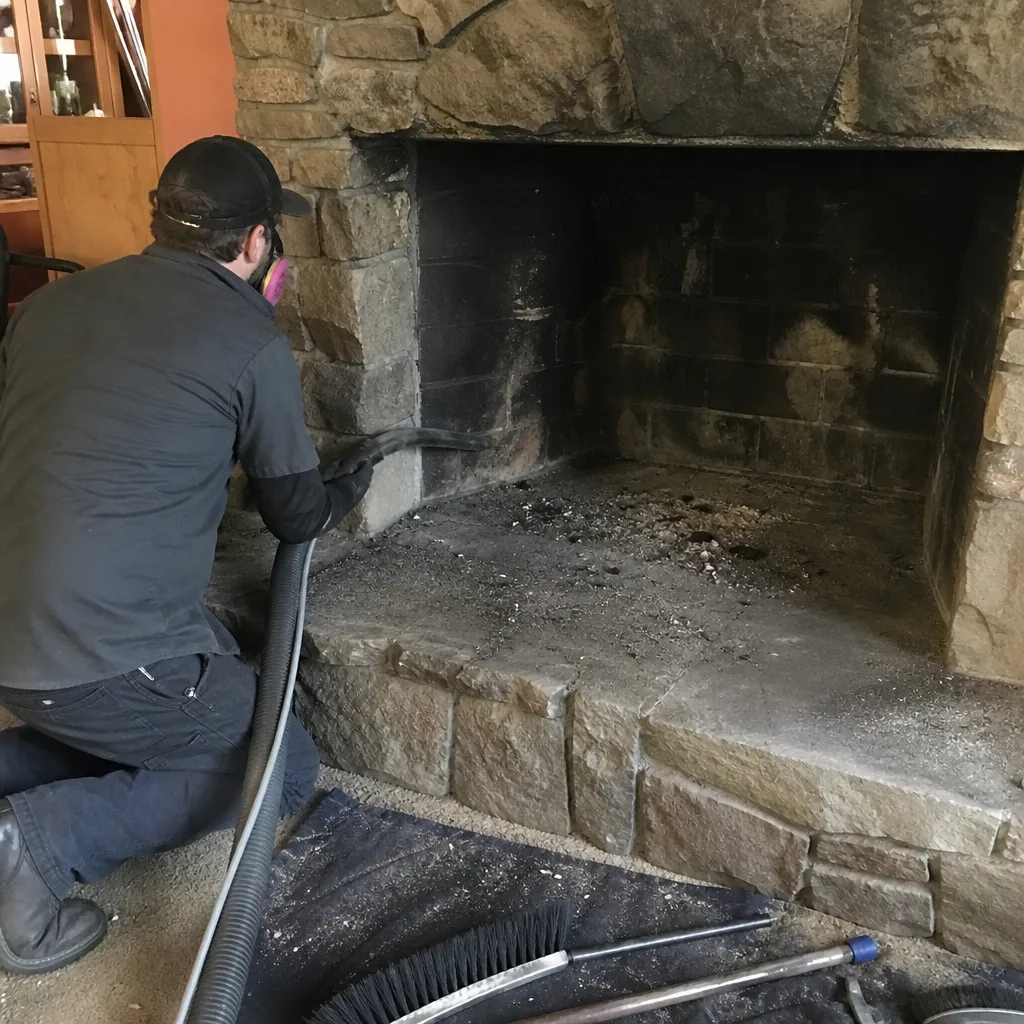 Before
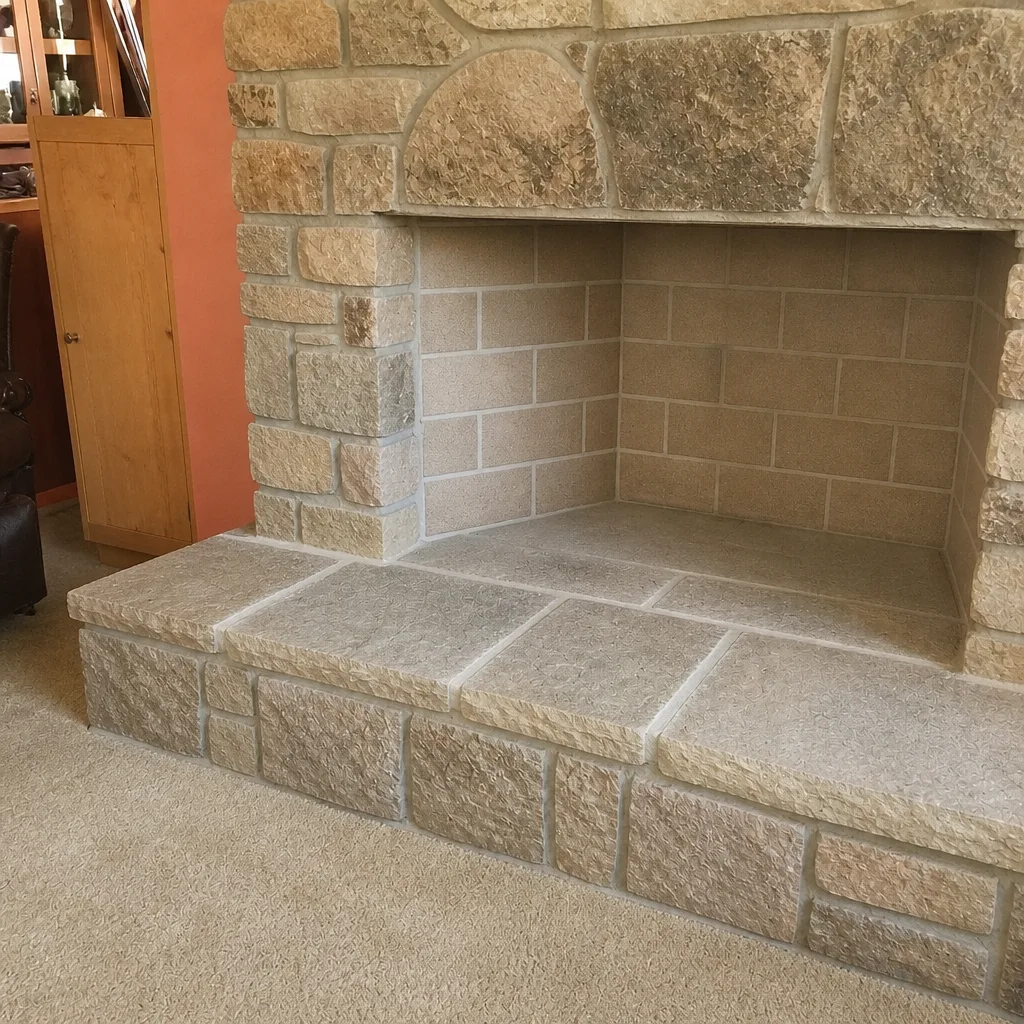 After
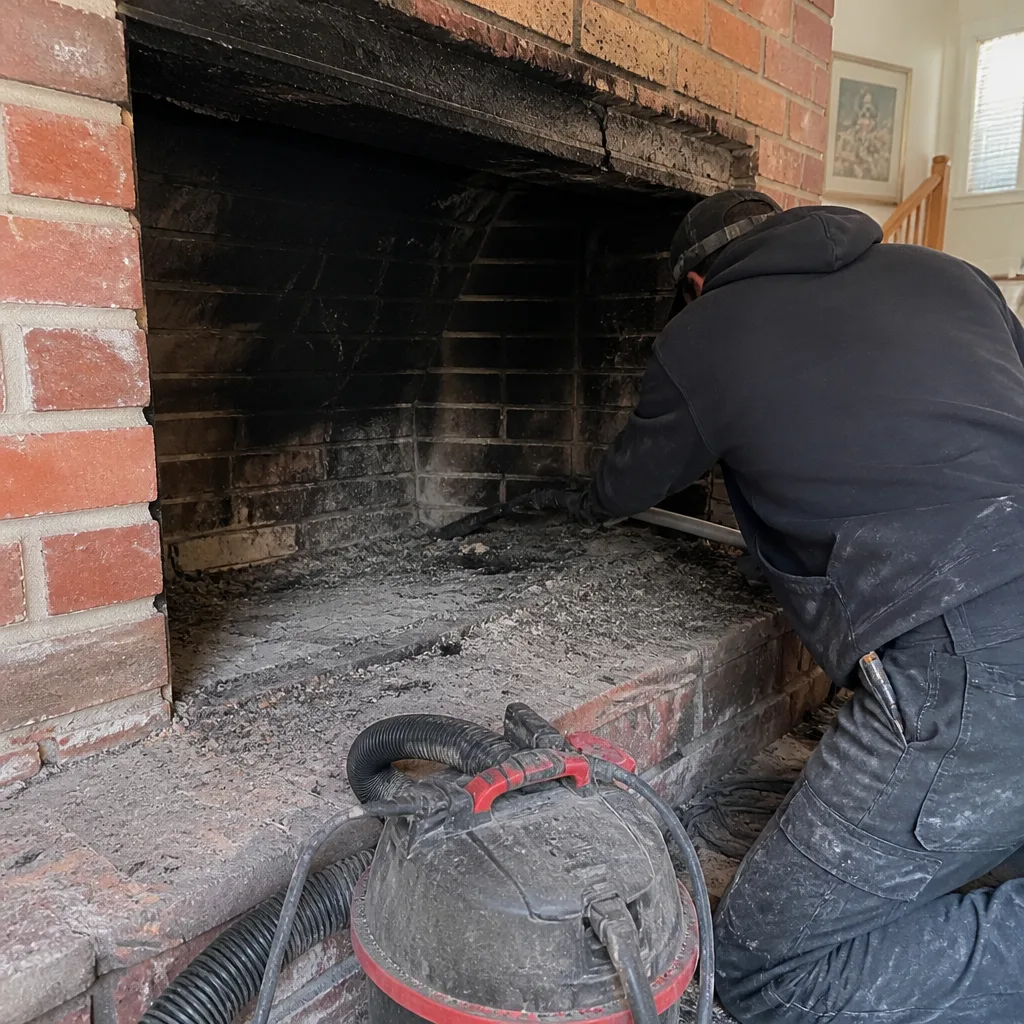 Before
 After
 Before
 After
When to Call a Professional
Call a professional after any suspected chimney fire, before you light the first fire of the season, and any time you see cracked masonry, a damaged crown or cap, or a carbon monoxide detector that keeps going off. If you smell smoke in a room when the fire is going, or the chimney drafts poorly, get it checked before you burn again. Those are the moments a trained eye on a camera makes the difference between a small repair and a structural one. Our technicians have up to 10 years of experience, and the local pro we connect you with is licensed and insured as the state requires. Chimney Sweep Northgate offers free estimates in Northgate. Call (855) 715-0663. We answer 24/7, with fast dispatch from 7am to 7pm, Sunday through Friday.
Frequently Asked Questions
The clearest signs are a rumbling or roaring sound from the flue, a hot metallic smell, creosote flakes falling into the firebox, or puffs of smoke coming back into the room. A slow fire can leave almost no sign from inside the house, which is why a professional camera inspection is the only reliable way to know. If you suspect one, stop using the chimney and get it inspected.
No. A chimney can’t be used again after a fire until a professional inspection confirms the liner and structure are intact. Cracks and warping inside the flue don’t show from the firebox or the roof. Relighting a damaged chimney can send heat and carbon monoxide into the wall or the living space.
Post-fire inspection typically runs $150 to $400 depending on the chimney and the camera work needed, and the written estimate sets the final price. The estimate itself is free. Call (855) 715-0663 for an exact quote.
Put one on every level of the home, including the basement, and one near each sleeping area, following the manufacturer’s placement instructions. Carbon monoxide mixes with air rather than pooling low, so placement at breathing height matters. Test them at the start of every heating season.
Most homes should be swept once a year, before the heating season starts, and more often if you burn heavily or use the fireplace as a primary heat source. A damp climate makes dry wood storage harder, and wet wood builds creosote faster. A camera inspection with the sweep confirms the liner is sound.
A liner repair typically runs $1,200 to $3,500 depending on the chimney and the method, with the written estimate setting the final price. Resurfacing a damaged clay tile liner with HeatShield can restore the flue without a full tear-out, and a DuraFlex liner is the option when the tile is too far gone. Call (855) 715-0663 for an exact quote after an inspection.
The Bottom Line
The two chimney emergencies most likely to hit a Northgate home are a chimney fire and carbon monoxide intrusion, and both are far easier to handle when the plan exists before the event. Get everyone out and call 911 at the first real sign of a fire, don’t fight it with water or a closed damper, and never relight a chimney after a fire without a professional inspection. Place carbon monoxide detectors on every level and near sleeping areas. Photograph the chimney before the season so a claim has a baseline. And schedule a professional cleaning and inspection before the first fire of the year, so the flue you’re trusting is one you’ve actually seen. One specialist for the full job: inspection, cleaning, repair, and protection.
Call (855) 715-0663 for a free estimate. We answer 24/7, with fast dispatch from 7am to 7pm, Sunday through Friday. Chimney Sweep Northgate is your Chimney Sweep Northgate specialist for inspection, sweeping, repair, and protection.
Written by the team at Chimney Sweep Northgate.