
Last updated November 25, 2026
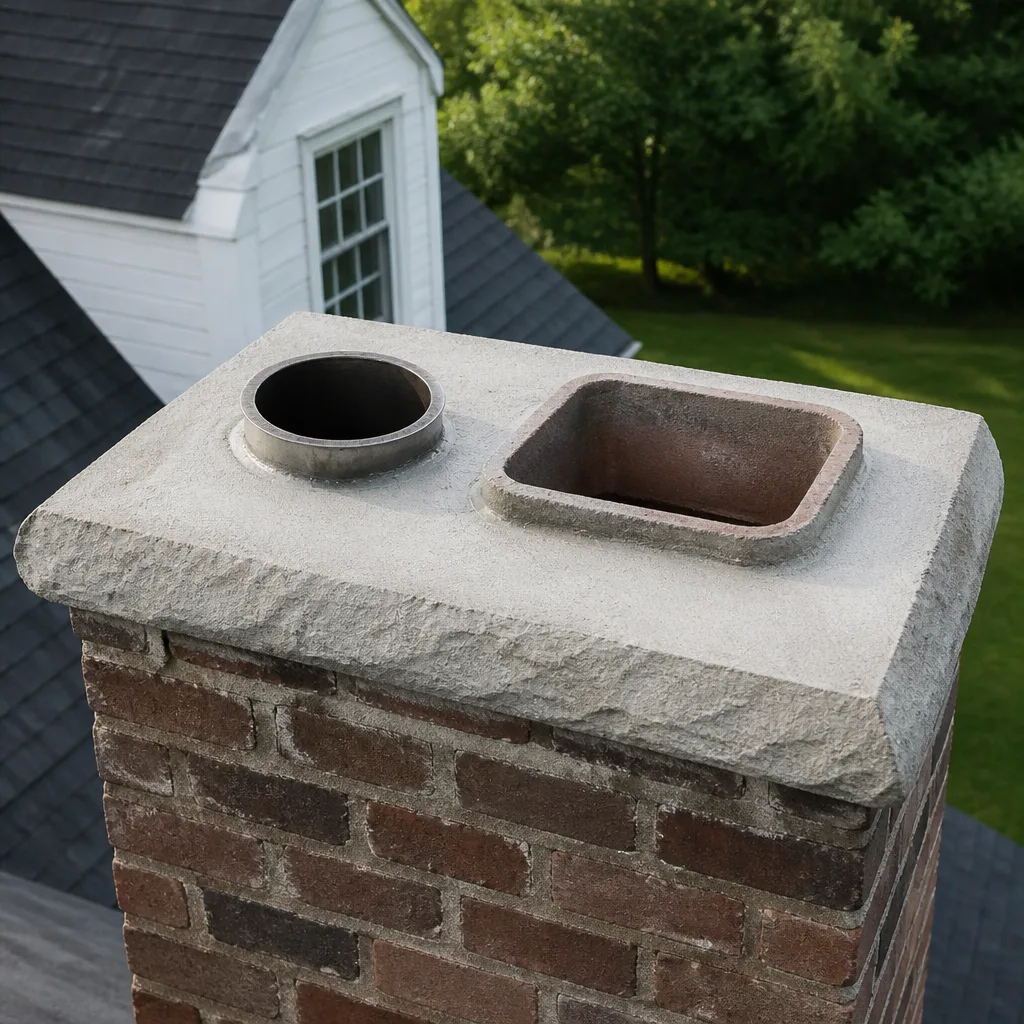 Sweep & inspection
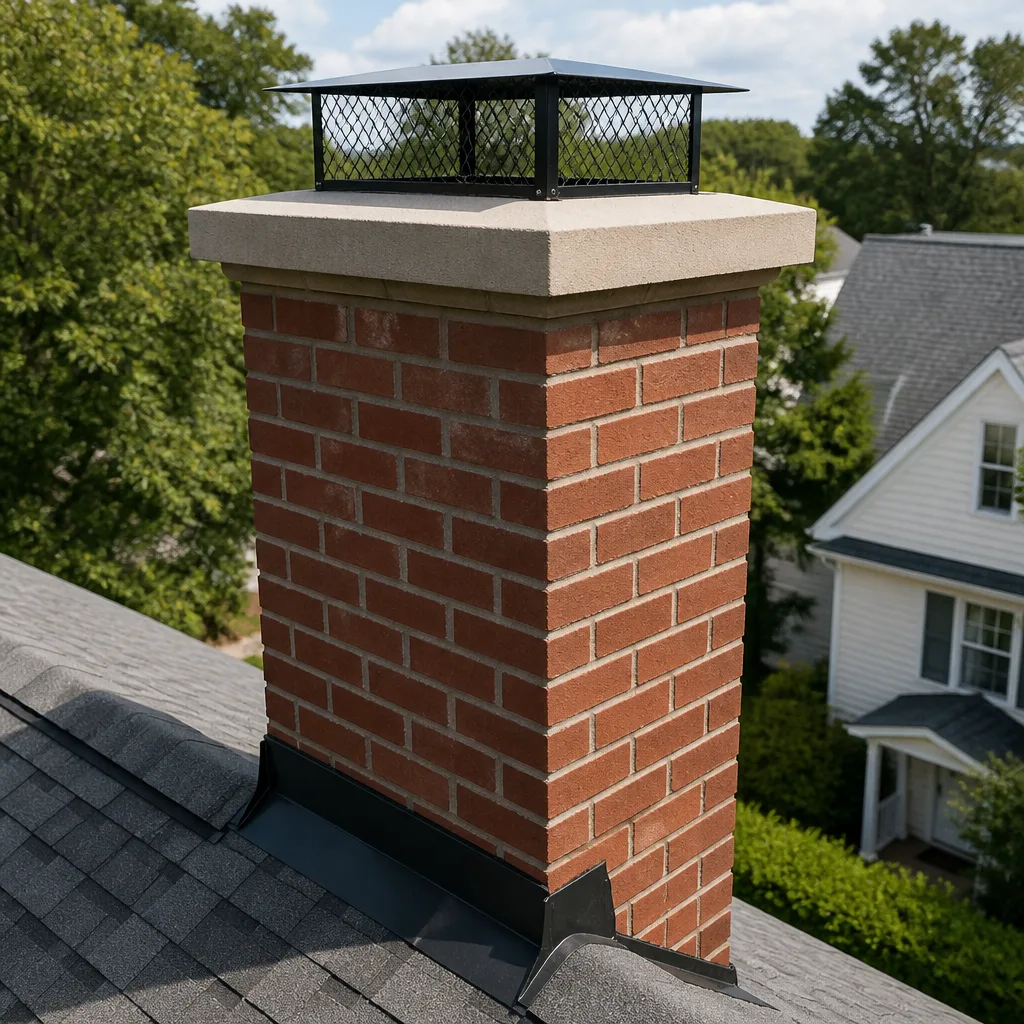 Caps & crowns
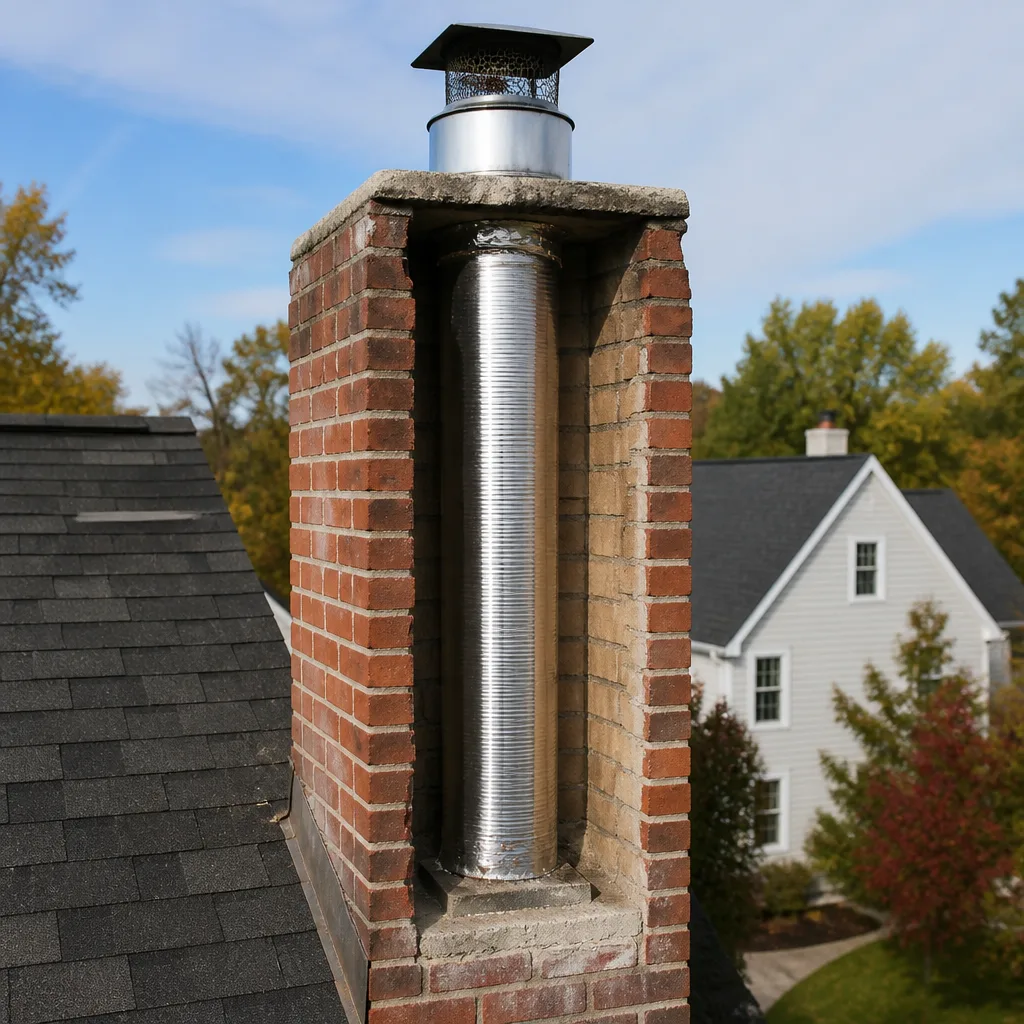 Flue relining
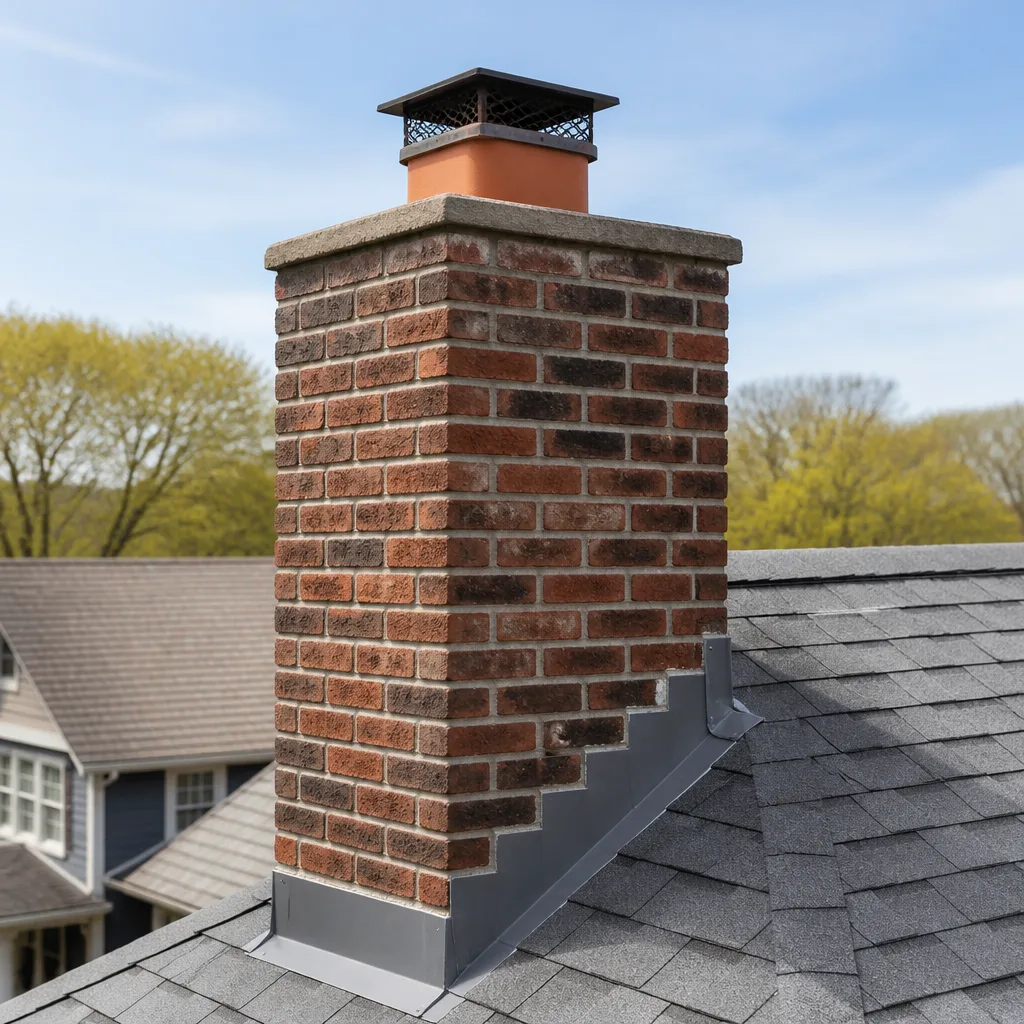 Masonry repair
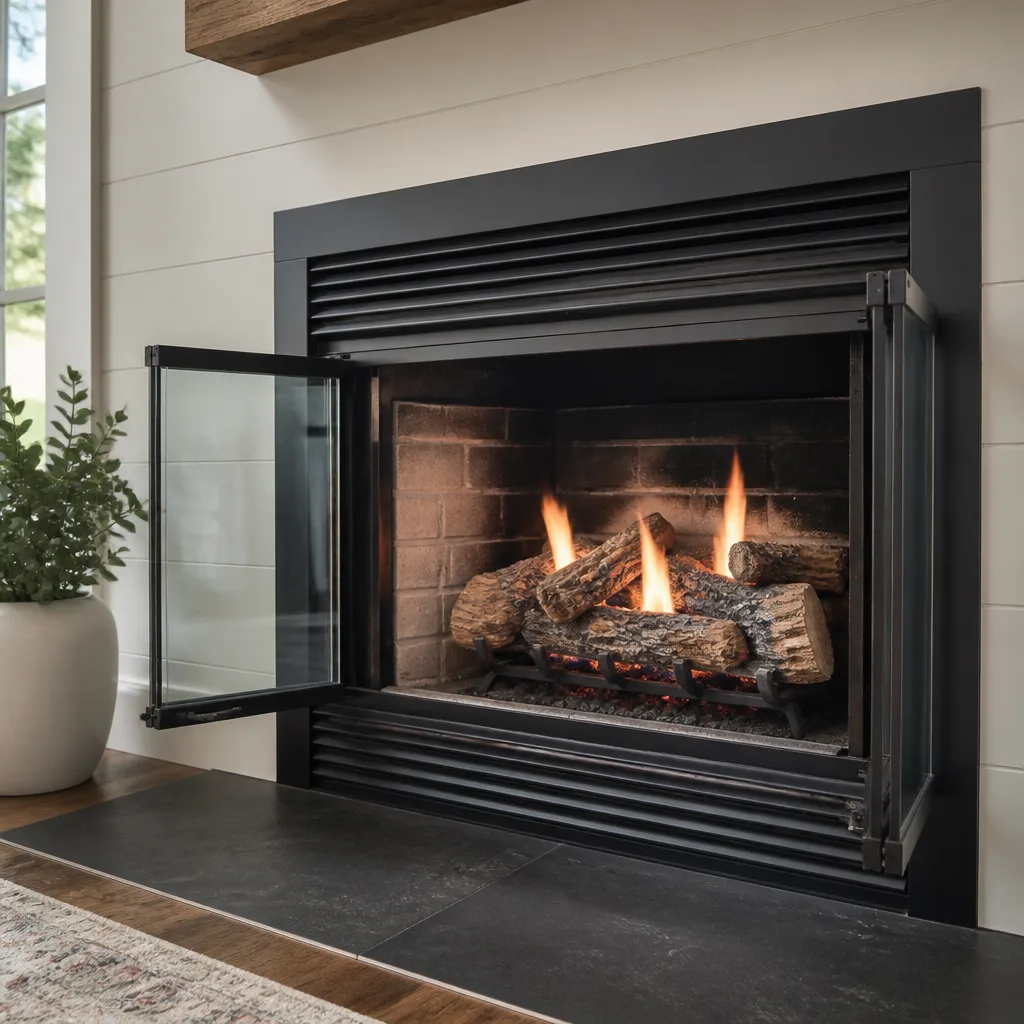 Gas fireplace service
Level 1 sweep and inspection to the NFPA 211 annual standard - flue, crown, cap, and flashing checked and photographed
Chimney sweep logs do not sweep chimneys. They loosen some creosote - which then falls where a brush and vacuum still have to collect it.
Chimney Cleaning Permits, Codes & Inspections in Northgate, WA: What You Need to Know
Here is the part most homeowners get wrong: a routine chimney cleaning almost never needs a permit, but the repair that a cleaning often uncovers very often does. That gap matters. Many people assume that because sweeping is unregulated paperwork-wise, everything that happens around the chimney is too. It isn’t. Once work crosses into liner replacement, crown rebuilding, structural masonry, or a new appliance connection, you’re in the world of the Washington State Building Code and local enforcement, and the paper trail starts to count. In this guide we’ll draw that line clearly for Northgate readers: what triggers a permit, how inspections work, and what to confirm before anyone touches your chimney.
Quick Answer
Routine chimney sweeping and visual Level 1 inspections in Northgate, WA do not require a permit. Permits and code compliance come into play when the work becomes structural or appliance-related: liner replacement or resurfacing that changes the flue, masonry or crown reconstruction, and installation of a new fireplace, insert, or wood stove. A Level 2 inspection is required by code whenever a chimney changes hands, changes appliance, or follows a chimney fire or major event, and it’s the document that protects you at a home sale or insurance claim.
Styles & brands we work with
- Sweep & inspection
- Caps & crowns
- Flue relining
- Masonry repair
- Gas fireplace service
Table of Contents
- Where Cleaning Ends and Permits Begin in Northgate
- What Washington State Building Code Actually Requires
- How the IRC Governs Northgate Masonry Fireplaces
- Level 2 Inspections: When They’re Required vs. Recommended
- Permit History, Title Transfer, and Insurance Claims
- What to Ask a Contractor Before Repair Work Begins
- Why Northgate’s Climate Makes the Paper Trail Matter
- Keeping Your Own Chimney Records Straight
Where Cleaning Ends and Permits Begin in Northgate
Permit requirements for chimney work follow a bright line, and it’s the line between maintenance and construction. Cleaning is maintenance. Liner work, masonry, and appliance installation are construction. Once you’re in construction territory, most jurisdictions require a permit and an inspection before the work is signed off. A homeowner in King County recently learned this the hard way: a liner replacement done without a permit surfaced during a buyer’s inspection and stalled the sale until the paperwork could be reconstructed. That’s the exposure we want Northgate readers to avoid.
Here’s the practical split:
- No permit, typically: standard sweeping, creosote removal, cap replacement, and a Level 1 visual inspection.
- Permit likely required: relining a flue, resurfacing damaged clay tile, rebuilding a crown, tuckpointing structural masonry, and installing a new fireplace, insert, or stove.
- Check with the building department: any job where you’re unsure. Most cities require a permit for structural chimney work, so a quick call settles it.
The tempting shortcut is to let a sweep “just fix” a cracked crown or a spalling flue on the spot. A crown rebuild is structural masonry. A HeatShield resurfacing of a damaged clay tile liner is liner repair. Those are exactly the jobs that get flagged when the paperwork is missing. Reputable specialists expect to work within a permit framework, not around it.
What Washington State Building Code Actually Requires
Washington adopts the International Residential Code for one- and two-family homes, with state amendments layered on top. The chimney and fireplace provisions of the IRC are what govern the work you’re having done. In plain terms, the code is concerned with a few things: that the flue is correctly sized and lined for the appliance, that clearances to combustibles are maintained, and that the structure itself is sound. When a repair alters any of those, the code has something to say, and the building department wants to see it.
What this means for Northgate homeowners:
- Liner sizing follows the appliance. Replacing a wood stove with a different unit, or converting to gas, changes the required flue size. A permit and inspection confirm the liner matches.
- Clearances are non-negotiable. Any repair that moves a chimney closer to framing or reduces clearance needs review.
- Liner relining is a code event. A new stainless liner or a resurfaced clay flue has to meet the code’s listing for the appliance it serves.
- Masonry repair is construction. Repointing, crown work, and rebuilds fall under structural provisions, not maintenance exemptions.
Where this gets fuzzy is enforcement. Some cities inspect chimney permits closely; others lean on the contractor’s own certification. If a technician ever tells you a permit “isn’t needed” for a repair, ask them to put that in writing and then confirm it with the local building department yourself. That’s not paranoia, it’s basic diligence. When we resurface a flue with HeatShield, the work is documentation-ready: materials specified by certified chimney professionals and verifiable on inspection. The permit is the homeowner’s asset, not an obstacle.
How the IRC Governs Northgate Masonry Fireplaces
The IRC’s masonry fireplace chapters exist because a fireplace is a structure inside your house, not a decorative fixture. The code covers flue sizing, wall thickness, the firebox, the hearth extension, and the crown. For Northgate, where a lot of the housing stock runs older and includes full masonry fireplaces, these provisions matter every time repair work is needed. A sweep with a vacuum and a brush can clean a masonry fireplace. A repair has to satisfy a code official.
The provisions homeowners should know about:
- Flue area and lining. The code ties the flue’s area and its lining to the fireplace opening. A liner that’s undersized or rusted through needs replacing, not patching.
- The crown and flashing. The crown has to shed water away from the flue. A cracked crown that lets water in is a structural issue, which is why we treat crown repair as a chimney cap & crown job rather than cosmetic.
- The hearth extension. The code sets the hearth’s size and material to keep sparks and heat off combustible flooring. Any remodel that touches the fireplace should preserve it.
- Clearance to combustibles. Framing and trim near the firebox have to hold the required distance. This is where most unpermitted “improvements” go wrong.
Reading the code directly is dry, but you don’t need to. What you need is a specialist who can explain which provision applies to your repair, and a permit that records the work was done right. That’s the difference between a fix and a liability.
Level 2 Inspections: When They’re Required vs. Recommended
A Level 2 inspection is a close visual inspection of the accessible chimney, flue, and connected appliance, typically using a camera to see inside the flue. It goes beyond a Level 1 basic check. Under the standard the industry follows, a Level 2 is required whenever a property changes hands, an appliance changes, or there’s been a chimney fire, an earthquake, or another event that could have damaged the flue. It’s recommended whenever a home has been through a significant repair or hasn’t been thoroughly assessed. A Level 3 goes further, opening up concealed areas, and is done only when a hazard is suspected.
Why it matters that a Level 2 is legally documented: it’s the inspection a buyer’s inspector, an insurance adjuster, or a future owner will rely on. If the flue was relined and the paperwork shows a Level 2 camera inspection confirming correct installation, you’re covered. If the work happened and no one looked inside, you’re exposed. In our experience, the camera is what changes the conversation. A homeowner who sees the inside of their own flue understands exactly why a liner may or may not need work, and that’s the whole point.
Here’s when to request one:
- Before you buy a Northgate home with a fireplace or stove.
- After any repair that touched the liner, masonry, or appliance.
- After a chimney fire or any event that shook the structure.
- Before switching fuels – wood to gas, or a new insert.
Permit History, Title Transfer, and Insurance Claims
Permit history on chimney work is a title and insurance issue, not just a code issue. When you sell a Northgate home, the buyer’s inspector will look at the chimney. If a liner replacement or masonry repair was done without a permit, the inspector flags it as unpermitted work, and that flag can delay or kill a closing until the paperwork is sorted. And when you file an insurance claim after a chimney fire, the adjuster will want to see that the flue was properly installed and maintained. Unpermitted structural work gives an insurer grounds to question coverage.
A few specifics worth knowing:
- Permitted work is defensible. Inspection records and final sign-offs are the paper trail that protects you at sale and at claim time.
- Unpermitted repairs travel with the house. The next owner inherits the problem, and so does the sale price.
- Standard inspections can miss flue defects. A general home inspector sees the chimney from the outside. Only a camera-level inspection documents the flue.
This isn’t a scare tactic. The reality is that most chimney repairs done by competent specialists are perfectly legal and documented. The risk sits with the shortcut: the “quick fix” that never got filed. Before you hire anyone for repair work, confirm they’ll pull the permit where one is required and give you the inspection record. If they won’t, that tells you something.
What to Ask a Contractor Before Repair Work Begins
Before any repair opens up your chimney, ask a short list of questions and get straight answers. This is the single easiest way to avoid inheriting permit problems or paying twice. It takes five minutes and saves months.
- “Does this job need a permit?” A specialist should know the answer without guessing, and should be willing to check with the building department.
- “Will you pull the permit and give me the inspection record?” If the answer is a shrug, walk away.
- “What exactly did the camera show?” Nothing should be recommended without camera evidence you can see for yourself. If they won’t show you the inside of the flue, don’t approve the work.
- “What materials will you use, and are they listed for my appliance?” Professional-grade components – a stainless liner sized for the stove, a listed flue resurfacing system – are what an inspection will confirm.
- “What can safely wait?” An honest specialist will tell you when a repair can be scheduled later, and when it can’t. If every answer is “do it now,” get a second opinion.
- “Will the inspection be a Level 2, and is it documented?” Get the report in writing.
Those six questions filter out most of the bad outcomes. The best contractors expect them and welcome them. The ones who resist are exactly the ones to skip. We’re happy to be asked all six.
Why Northgate’s Climate Makes the Paper Trail Matter
Northgate sits in a wet, cool corner of the country, and that weather works on your chimney in specific ways. Months of rain mean masonry absorbs and holds moisture. Then a freeze hits, water expands inside the brick or crown, and the material spalls and cracks. A cracked crown lets more water in, and the flue degrades from the top down. Add a heating season that runs long, and the result is frequent repair work on older fireplaces and stoves. That’s exactly why the paperwork matters here: more repairs means more permit events, and more chance to get it wrong.
Northgate’s housing stock makes the pattern worse. Plenty of homes here were built and remodeled across several decades, so a chimney may have been relined once, capped once, and repointed once by three different contractors with three different paper trails. By the time you own the house, nobody can say for sure what was done or whether it was inspected. A Level 2 inspection untangles that history. The camera doesn’t lie, and a documented report is worth more than any verbal assurance.
It also changes how we recommend repairs. When the crown is failing, the fix is a proper crown rebuild and a Chimney Sweep Northgate service that protects it, not a quick coat of sealant. When the flue is spalling, the answer may be a HeatShield resurfacing of the clay tile or a full liner, sized to the appliance and documented. The climate doesn’t change the code. It just makes the code earn its keep.
Keeping Your Own Chimney Records Straight
A chimney is one of those parts of a house that no one thinks about until something is wrong. That’s precisely why you should keep a simple record. It costs you nothing and it protects you at the two moments the chimney suddenly matters: a home sale and an insurance claim. The record is also how you answer the questions that come later: when was it last cleaned, was there a repair, who did it, and was it inspected.
What to keep on file:
- Sweeping records with dates and who did the work.
- Inspection reports, especially any Level 2 with camera documentation.
- Permit numbers and final inspections for any liner, masonry, or appliance work.
- Material details – liner type, resurfacing system, cap and crown spec – so a future contractor or buyer knows what’s there.
- Photos of the cap, crown, and flue opening after any repair, taken from the roof.
One more thing: note the appliance each flue serves. If you switch from wood to gas, or install an insert, write it down with the permit. A buyer’s inspector will ask, and you shouldn’t have to guess. A small folder, physical or digital, handles all of it. It’s the most boring advice in this guide and the one most likely to save you money.
Common Mistakes to Avoid
- Assuming sweeping paperwork covers the repair. Cleaning doesn’t need a permit, so homeowners assume the liner replacement doesn’t either. That’s the mistake that stalls a home sale. Confirm the permit separately.
- Letting a sweep “just fix” structural work. A crown rebuild or a liner replacement done on the spot without a permit is unpermitted construction. It looks fine and it’s not.
- Skipping a Level 2 because the chimney “seems fine.” A chimney can look healthy from the outside and be failing inside the flue. The camera is the only way to know.
- Not keeping the inspection record. A Level 2 is only legally useful if you have the report. File it with your closing documents.
- Letting an unpermitted repair pass at purchase. Buyers who skip a chimney inspection inherit the seller’s unpermitted work. Ask for the paper trail before you close.
- Hiring on price alone. The cheapest bid is often the one that omits the permit and the inspection. You pay for that later, at closing or at claim time.
- Ignoring the cap and crown. These are the first line of defense against Northgate’s rain. A missing cap or a cracked crown is how water gets in and the flue starts to fail.
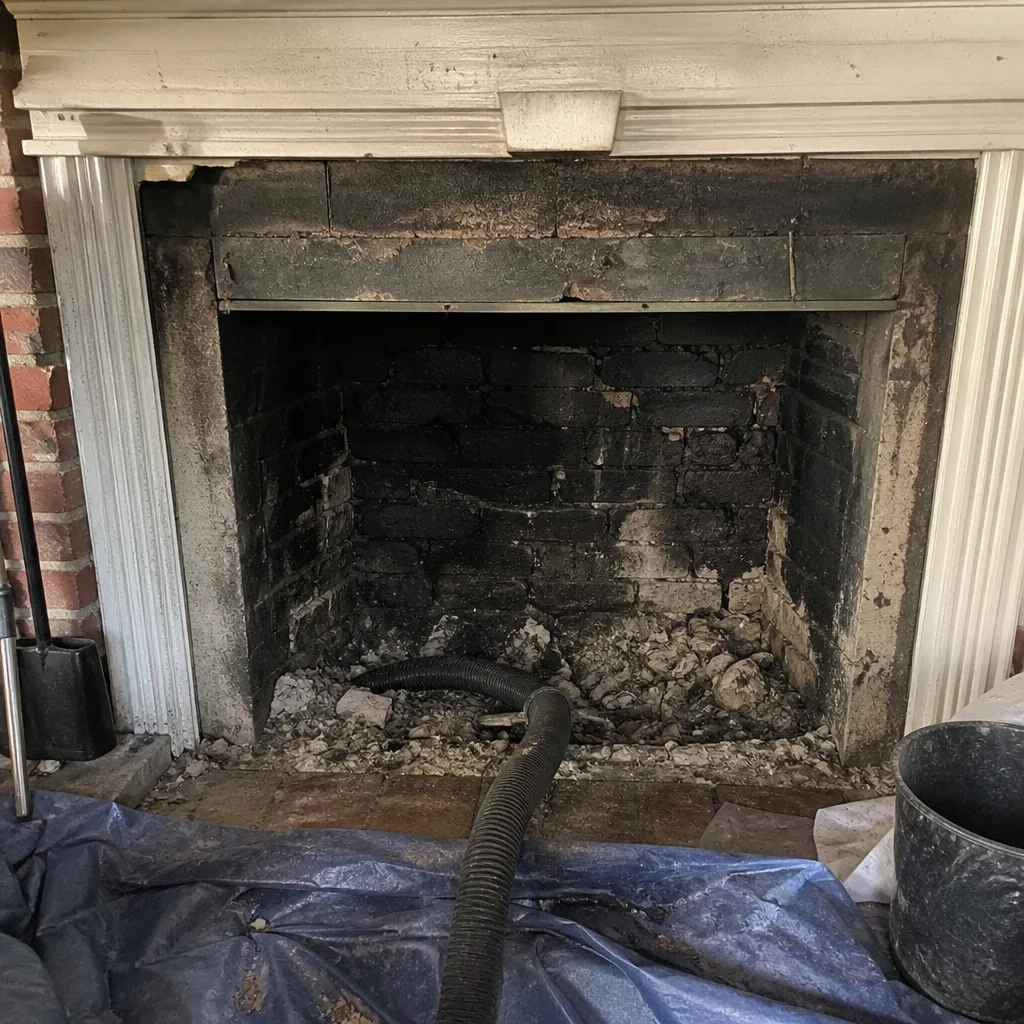
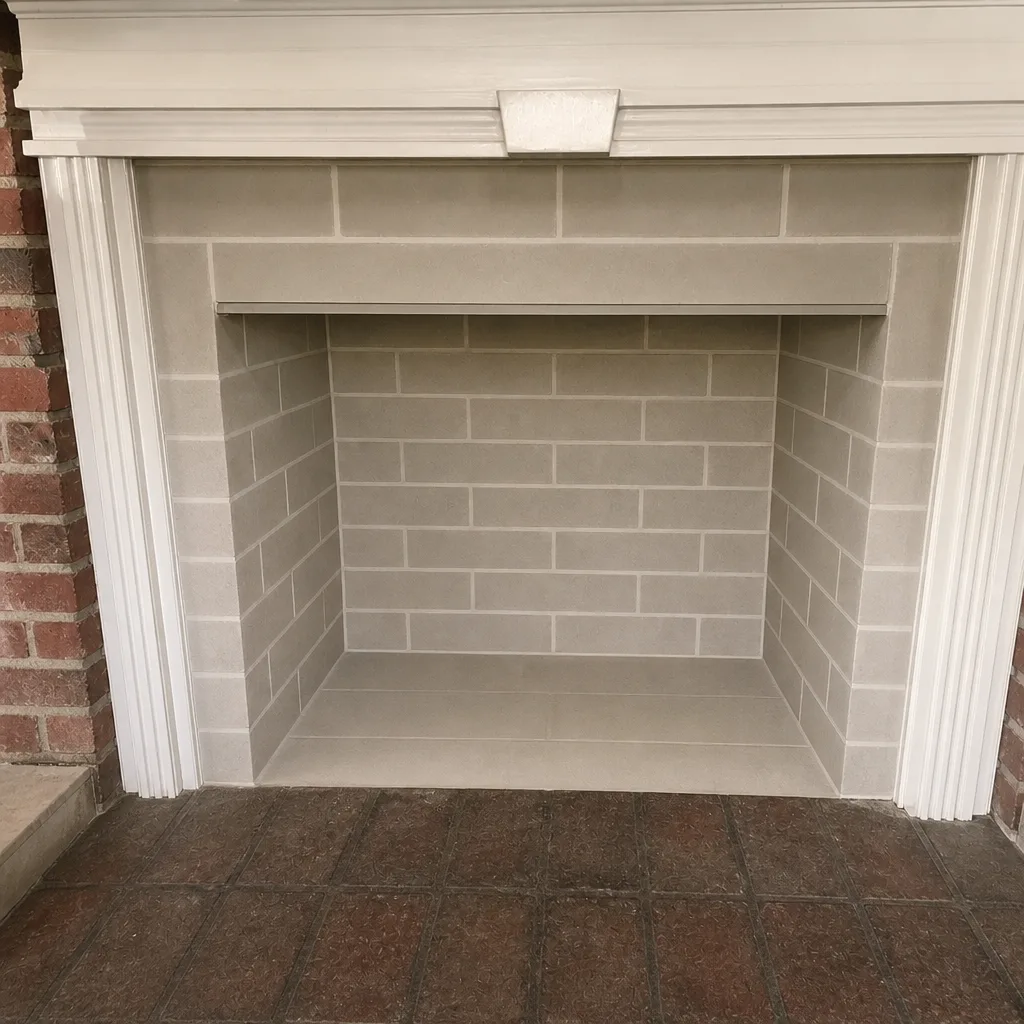
See the difference
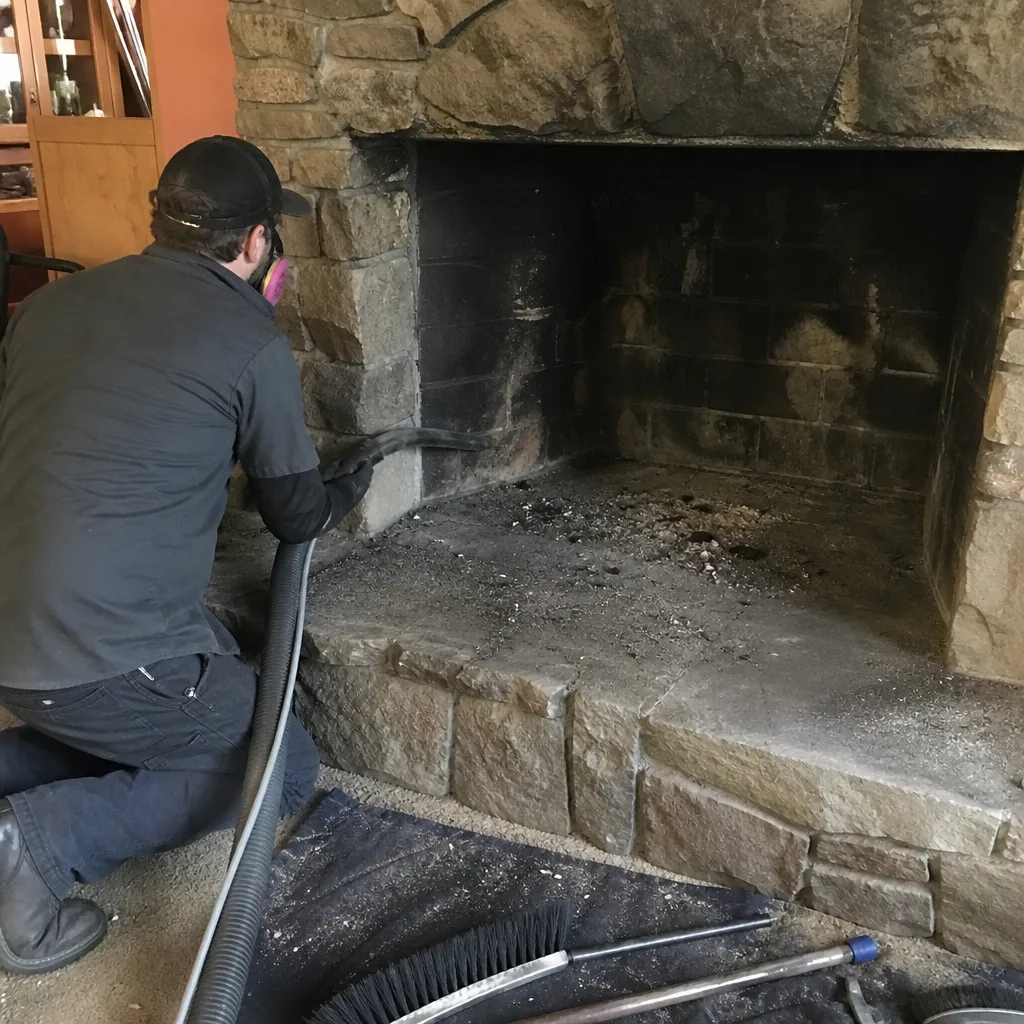 Before
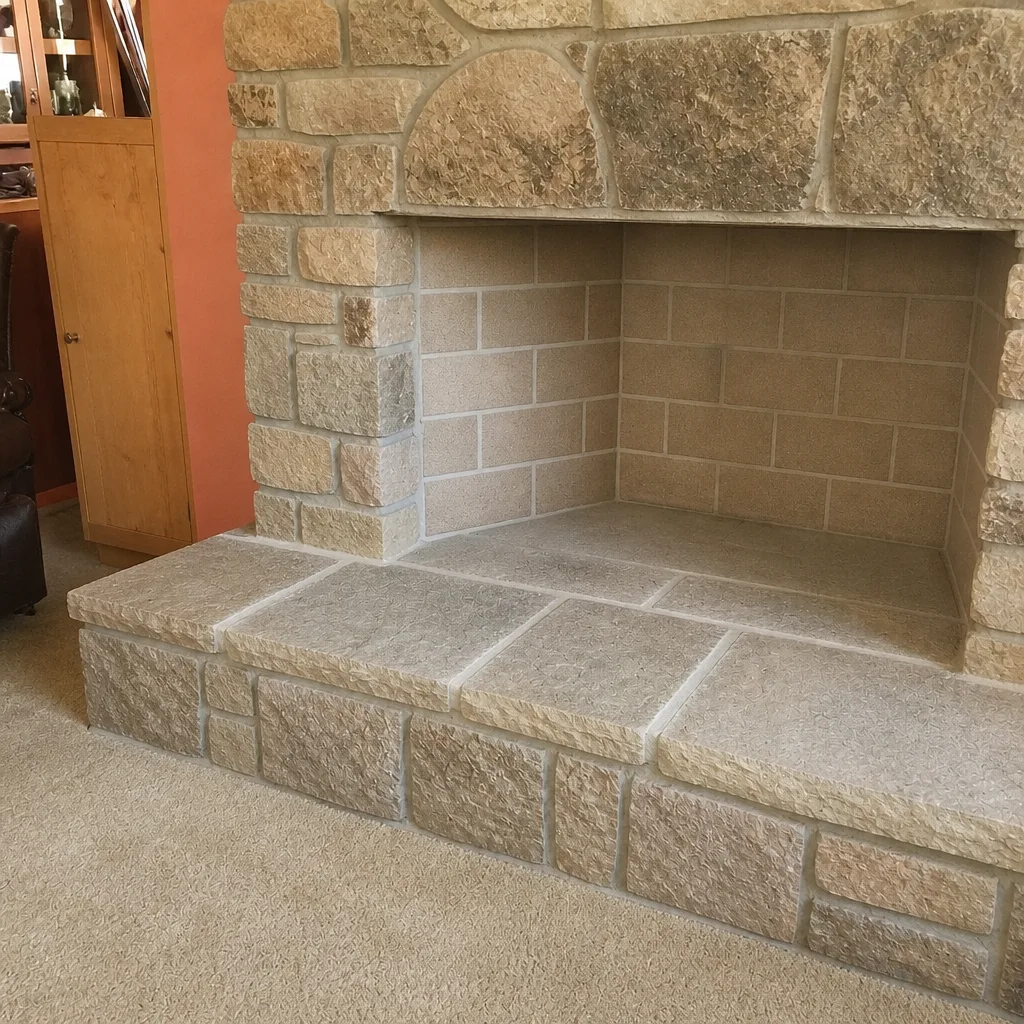 After
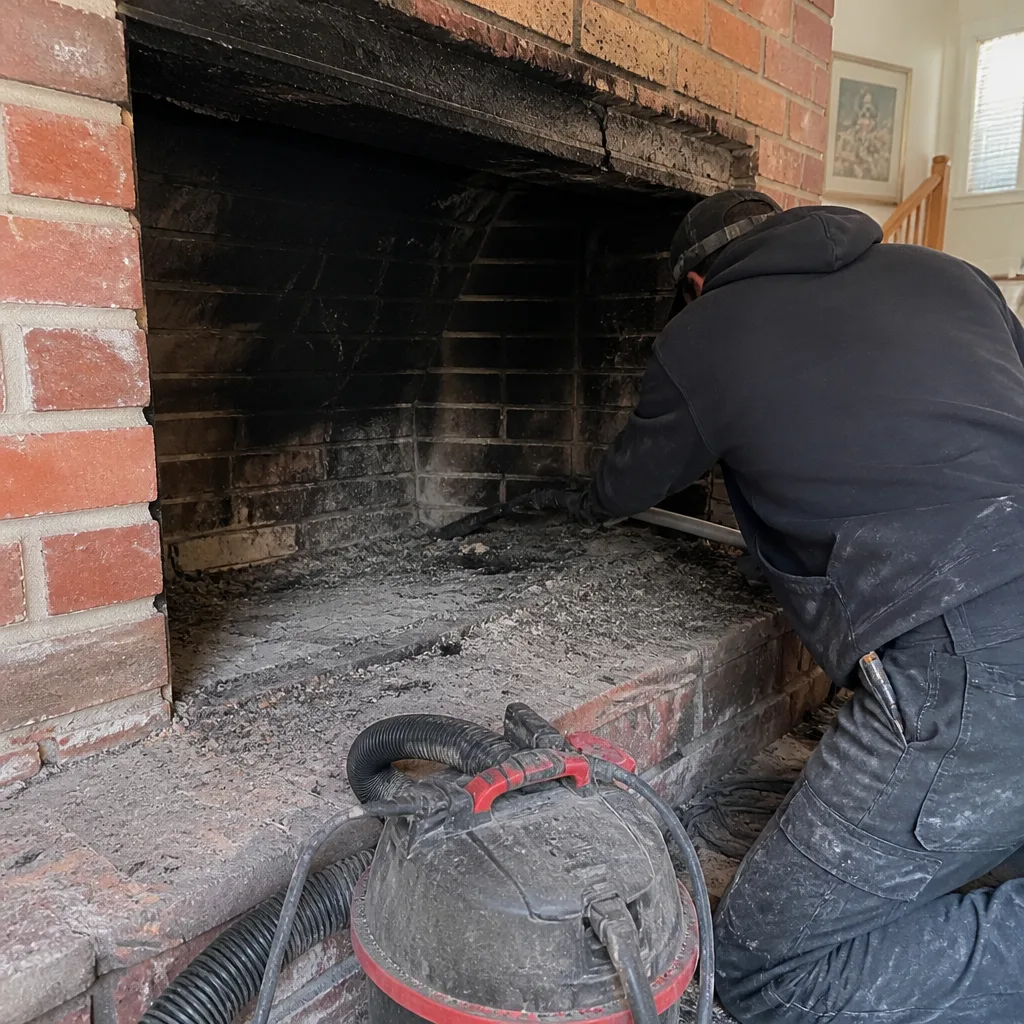 Before
 After
 Before
 After
When to Call a Professional
Call a specialist when the work crosses into the territory this guide covers: a suspected liner problem, a cracked crown, a chimney that’s pulling away from the house, a new appliance you want installed, or a Level 2 inspection you need for a sale or a claim. Also call if you’ve just bought a home with a fireplace and don’t yet have any inspection record for it, or if it’s been years since the flue was looked at inside. Routine sweeping is worth scheduling before the heating season gets heavy, but the permit-and-inspection questions should be answered before any repair is agreed. Chimney Sweep Northgate offers free estimates in Northgate – call (855) 715-0663 for an exact quote. We answer 24/7. Fast dispatch from 7am to 7pm, Sunday through Friday. Every job starts with a camera inspection and a photo report you can see for yourself, and the written estimate sets the price.
Frequently Asked Questions
No. Routine chimney sweeping in Northgate doesn’t require a permit, and neither does a Level 1 visual inspection or a standard cap replacement. Permits become relevant when the work turns structural or appliance-related: liner replacement, masonry or crown repair, and new fireplace, insert, or stove installation. Call (855) 715-0663 for an exact quote – estimates are free.
A Level 2 inspection is required whenever a property changes hands, an appliance changes, or a chimney fire or other event could have damaged the flue. It’s also recommended before and after significant repair work. The inspection is a close camera-level look inside the flue, documented in a written report. Call (855) 715-0663 to book a Level 2 – estimates are free.
Yes. A buyer’s inspector will flag liner or masonry work that was done without a permit as unpermitted construction, and that can delay or kill a closing until the paperwork is reconstructed. Permitted, inspected work with a final sign-off protects the sale price and the timeline. If you’re unsure what history your chimney has, a Level 2 inspection is the way to establish it. Call (855) 715-0663 for an exact quote.
Yes, in most cases. Installing a new fireplace, insert, or wood stove typically requires a permit and an inspection, because the flue sizing and clearances have to be confirmed for the specific unit. A permit and inspection confirm the liner is correctly sized and listed for the appliance. Call (855) 715-0663 before you buy the unit, so the install starts on the right foot – estimates are free.
A cleaning removes creosote and soot; an inspection evaluates the chimney’s condition. They’re separate services, and we offer inspections standalone so you get an objective safety assessment before or after any cleaning. A Level 1 visual check is basic; a Level 2 uses a camera to see the full flue. Nothing should be recommended without camera evidence you can see.
A repair can safely wait when the problem is cosmetic or when the flue isn’t yet compromised – and a reputable specialist will tell you when that’s the case. It can’t wait when the flue is failing, the crown is letting water in, or there’s a safety concern. We’ll tell you plainly which situation you’re in, with the camera evidence in front of you. Call (855) 715-0663 for an exact quote – estimates are free.
The Bottom Line
The line between cleaning and construction is the line that matters in Northgate. Sweeping, visual inspections, and cap replacements are maintenance and need no permit. Liner work, masonry and crown repair, and appliance installation are construction, and they require permits, inspections, and documented proof. Get a Level 2 whenever you buy, sell, change an appliance, or after any event that could have damaged the flue, and keep the reports. Before any repair, ask the six questions and insist on camera evidence you can see. That’s the whole discipline: know where the line is, stay on the right side of it, and keep the paper trail. A clean chimney and a legally sound one aren’t the same thing – and the difference is entirely avoidable.
We work with the materials chimney professionals specify – DuraFlex liners, HeatShield resurfacing, Gelco and Olympia Chimney components, Famco parts, and Copperfield flue fittings – so the work we do is inspection-ready. If you’re due for a chimney sweep, a Level 2 inspection, a fireplace repair, or a permit-based repair, we’d like to be the one specialist you call. Our technicians have up to 10 years of experience, and we inspect, sweep, repair, and protect under one roof. Call (855) 715-0663. We answer 24/7. Fast dispatch from 7am to 7pm, Sunday through Friday.
Written by the team at Chimney Sweep Northgate.