
Last updated November 25, 2026
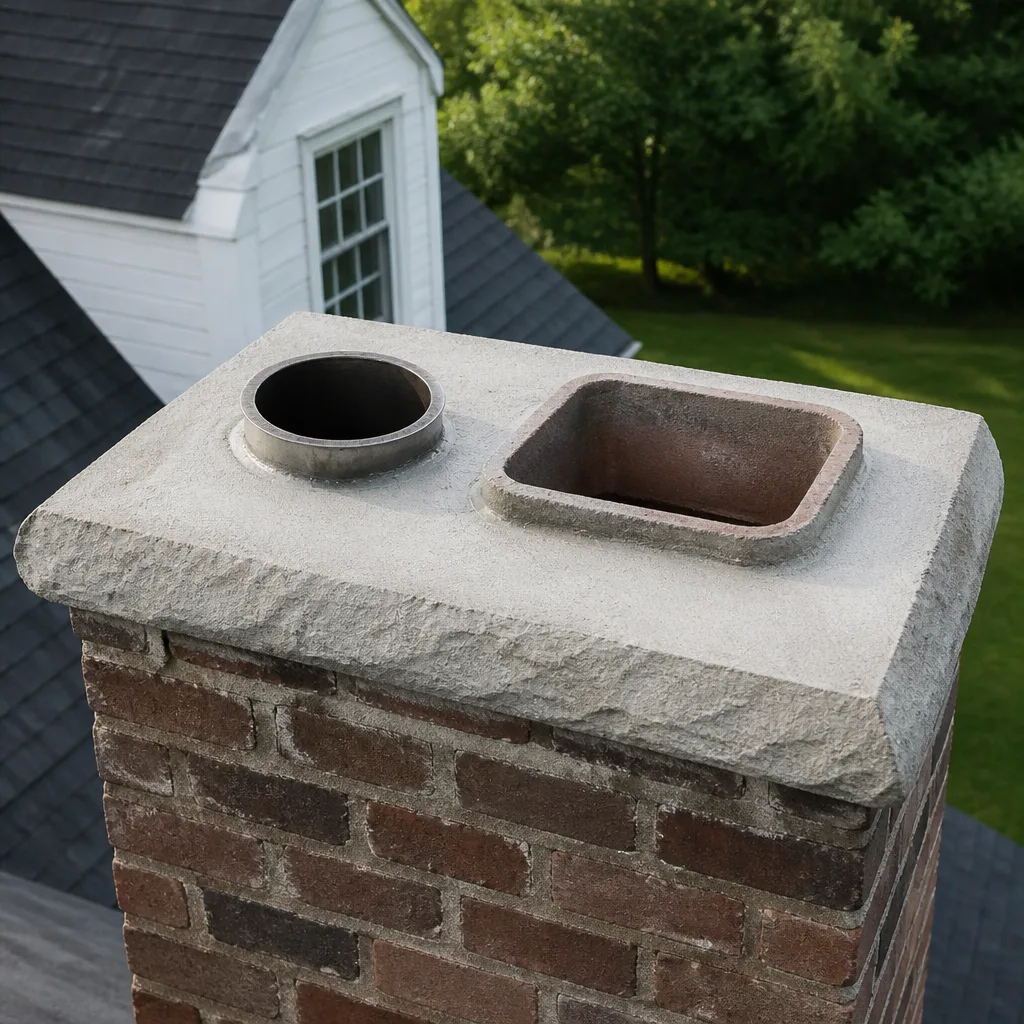 Sweep & inspection
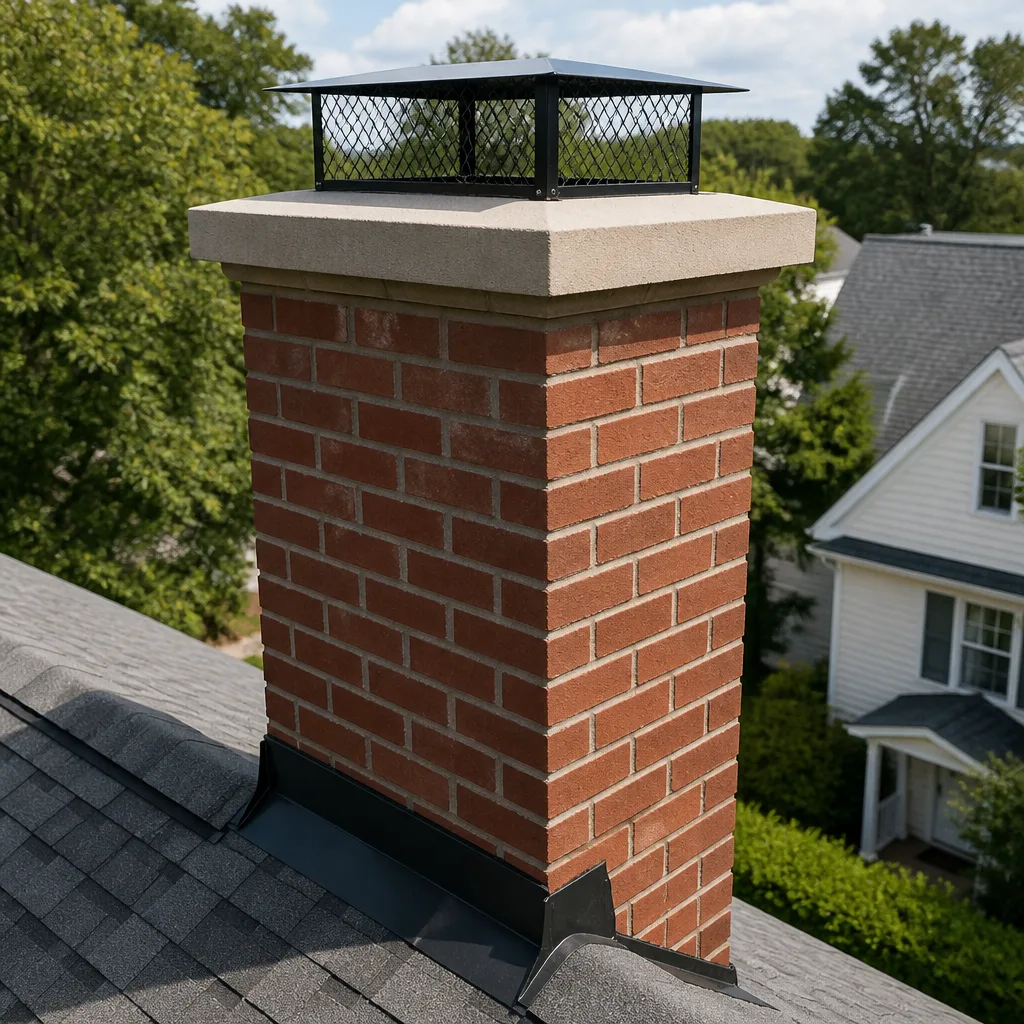 Caps & crowns
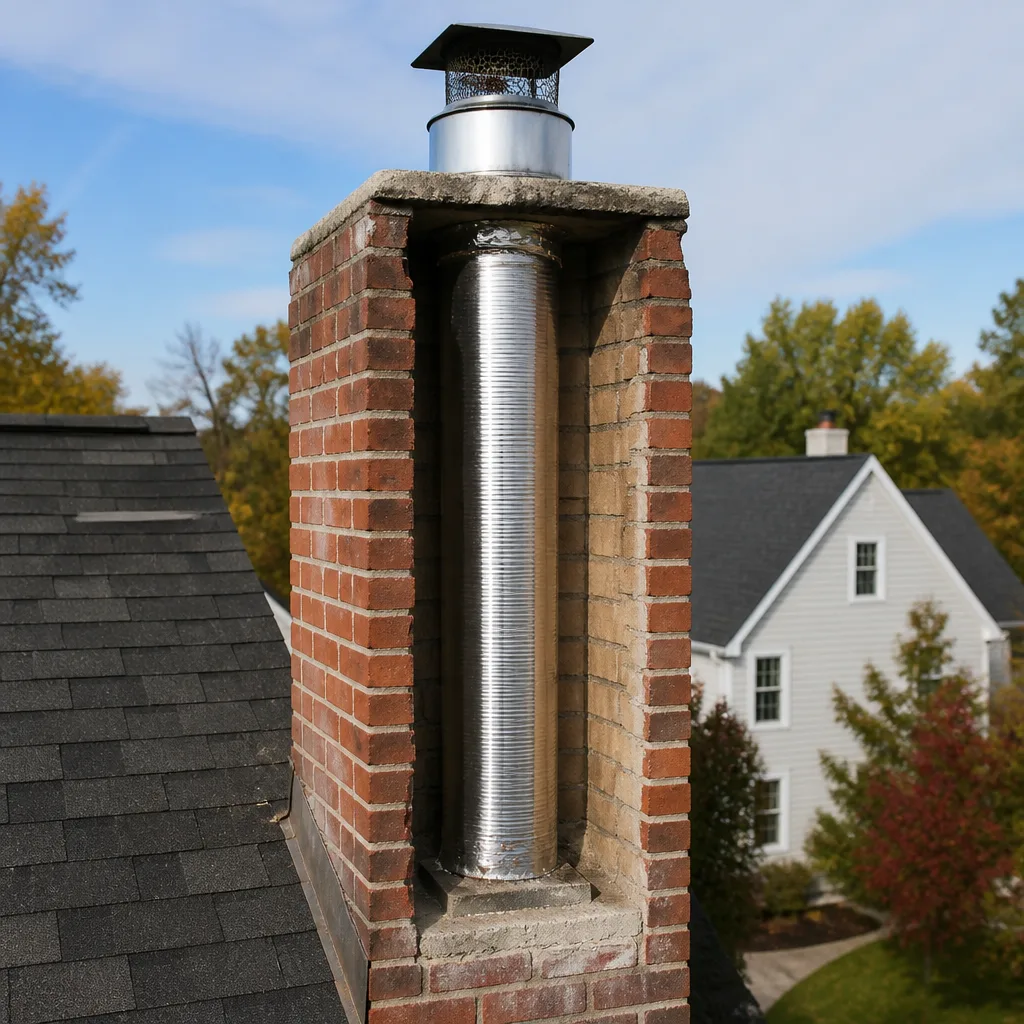 Flue relining
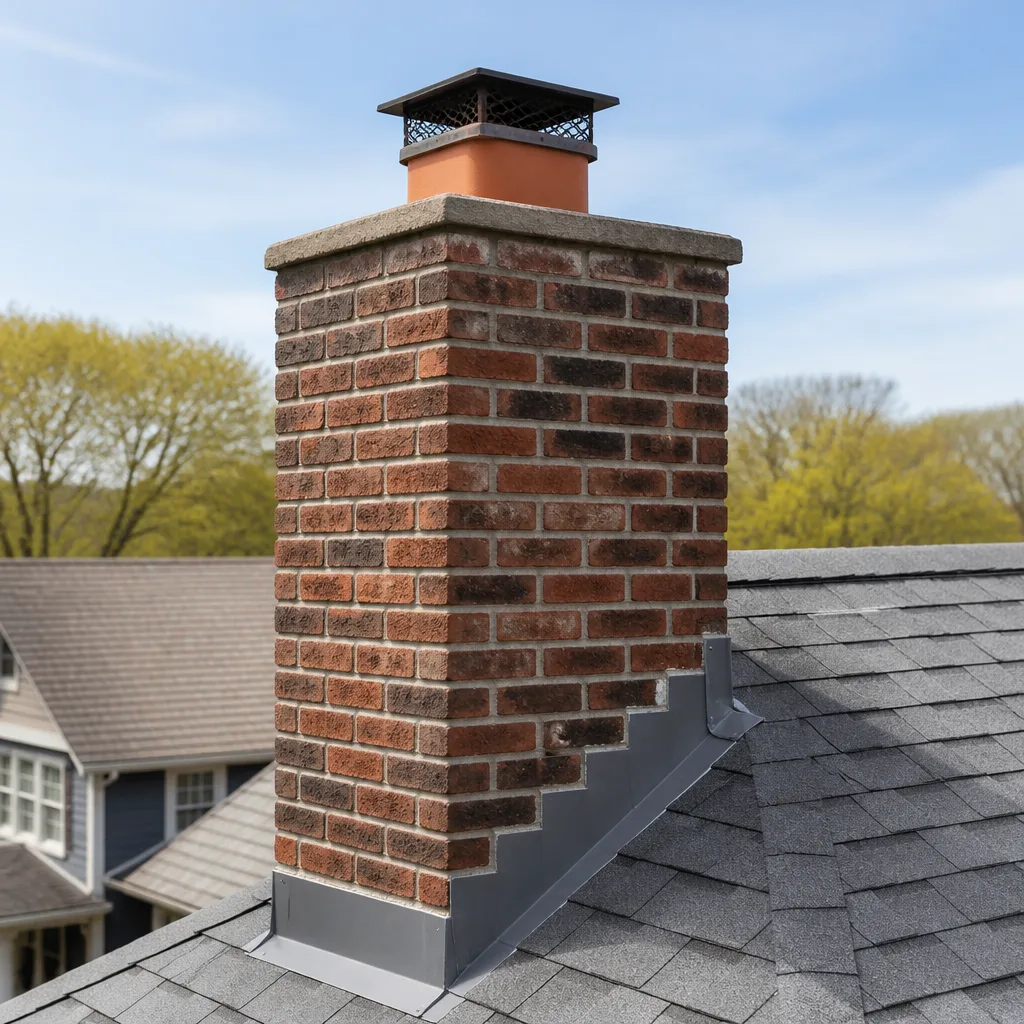 Masonry repair
 Gas fireplace service
Level 1 sweep and inspection to the NFPA 211 annual standard - flue, crown, cap, and flashing checked and photographed
Chimney sweep logs do not sweep chimneys. They loosen some creosote - which then falls where a brush and vacuum still have to collect it.
DIY vs Professional Chimney Cleaning: The Northgate Homeowner’s Decision Guide
Consumer chimney brush kits are engineered to move creosote. They’re not engineered to tell you what’s behind it. A homeowner who successfully cleans Stage 1 creosote buildup may have no idea they swept past a cracked liner tile that now needs immediate professional attention. That gap, between cleaning a flue and understanding its condition, is what this guide is about. We’re not going to tell you that DIY is always wrong or that professional cleaning is always necessary for every Northgate household. Instead, we’ll lay out the specific conditions that make DIY safe and effective versus the ones that make it a gamble, so you can make the call with complete information.
Quick Answer
DIY chimney cleaning is a reasonable option if you burn dry, well-seasoned wood, have a straight flue with an accessible cleanout, see only light sooty deposits, and have had a professional inspection recently enough to know your liner is intact. For most Northgate homeowners, though, professional cleaning is the safer choice because consumer brush kits can’t document liner condition, contain creosote dust effectively, or address anything beyond the most basic surface deposits. The decision hinges on what you know about your chimney, not on whether you’re handy.
Styles & brands we work with
- Sweep & inspection
- Caps & crowns
- Flue relining
- Masonry repair
- Gas fireplace service
Table of Contents
- What a DIY chimney brush kit can and cannot do
- The specific chimney conditions that decide whether DIY is in scope
- The containment problem: creosote dust in your living space
- The inspection gap: what you can’t see during a DIY clean
- A real cost comparison: equipment, time, and the odds of remediation
- How Northgate’s climate and housing shape the decision
- When to call a professional
- Frequently asked questions
What a DIY chimney brush kit can and cannot do
A consumer chimney brush kit removes loose, flaky creosote and soot from the flue walls of a straight, accessible chimney. That’s the honest scope. These kits are built around a polypropylene or wire brush on flexible rods, sized to the flue, pushed and pulled by hand from the top or through a cleanout. They work by abrasion. They move material off the surface and let gravity carry it down. What they cannot do is equally specific: they can’t spin, they can’t scrape glaze, and they can’t tell you anything about the state of the flue after the material is gone.
Commercial rotary systems work differently. A powered rotary head, matched to the flue size and liner material, spins against the flue wall with controlled pressure. That mechanical action is what removes Stage 2 creosote, the hardened, crusty layer that hand brushing simply skates over. Rotary systems are also tuned to the liner: a brush spec’d for a stainless liner is not the right tool for a clay tile flue, and a tool that’s too aggressive can crack tile. That tuning is part of what a professional brings to a Northgate chimney, and it’s not something a homeowner can assess without seeing the flue up close.
One more distinction matters. A consumer brush kit is sized to the chimney you have. A professional setup includes multiple brush head types, rod lengths, and adapters, plus the vacuum and containment gear that go with them. The difference between the two isn’t just power; it’s the ability to match the tool to the condition instead of hoping one size fits.
The specific chimney conditions that decide whether DIY is in scope
Whether DIY is in scope for you depends on four variables, and all four have to line up before a homeowner DIY clean makes sense. Here’s the short version: flue type, liner material, creosote stage, and appliance type. If any one of these is out of alignment, the DIY calculation changes.
- Flue type. A straight, vertical flue with a cleanout door and no offsets is the easiest case. A flue with an offset, a smoke chamber that needs sweeping, or a fireplace insert that blocks access is harder and riskier to clean from the top or the bottom.
- Liner material. An intact, factory-installed stainless liner with no visible damage is more forgiving. A clay tile liner with deteriorated mortar joints, or a liner showing any spalling, is a stop sign for DIY because brushing can loosen more tile and send debris into the smoke chamber.
- Creosote stage. Stage 1, the soft, flaky soot, is what most consumer brushes are designed to move. Stage 2, the hardened crust, resists hand brushing. Stage 3 creosote is a glazed, tar-like layer that needs chemical treatment or a rotary head to address safely. DIY is a Stage 1 job.
- Appliance type. A standard open fireplace burning dry hardwood is the most predictable case. A wood stove, pellet stove, or insert burns hotter and can produce different creosote patterns, and the flue often has an offset that’s harder to clean without the right rods.
If all four variables line up, a homeowner can often manage a light cleaning. If any one is off, the honest answer is that a professional assessment is the right first step, not the last. For a Northgate chimney, the inspection alone tells you which of these conditions actually applies.
The containment problem: creosote dust in your living space
Here’s the part most DIY guides skip: a brushed chimney releases a fine, airborne dust plume of creosote and soot into the room the moment you open the flue. Creosote is a known respiratory irritant, and the fine particles it produces travel. A professional cleaning uses a commercial vacuum and sealed containment at the firebox opening. A consumer setup almost never does. A homeowner who brushes a chimney without that containment is spreading the same material they were trying to remove, and the cleanup becomes a second job.
The practical setup a professional brings to a Northgate chimney involves a high-volume vacuum with a HEPA-rated filter, floor protection, and a sealed connection at the firebox so dust doesn’t escape into the room. A homeowner can approximate some of that with plastic sheeting and a shop vac, but a shop vac moves a lot of air and can actually stir the dust rather than contain it unless the filter is rated for the particle size, and most aren’t. This is the reason we treat containment as a non-negotiable part of every chimney sweep, not a bonus.
There’s also the spalling risk. Brushing a compromised clay tile flue can knock chunks loose, and those chunks land in the smoke chamber where they sit until an inspection catches them. If a homeowner brushes a compromised liner, the containment problem and the structural problem compound. That’s one reason professional cleaning and inspection happen together.
The inspection gap: what you can’t see during a DIY clean
A professional inspection uses a camera that documents the full length of the flue, the smoke chamber, the damper area, and the firebox, and produces a photo or video record the homeowner keeps. That record is the difference between knowing and guessing. During a DIY clean, the only thing a homeowner can see is what a flashlight shows them from the firebox or from the roof, and that view covers a fraction of the flue.
The gap is real, and it’s specific. A homeowner cleaning from below with a brush on rods can’t see the top third of a clay tile flue. A homeowner working from the roof can’t see the smoke chamber or the damper assembly. A homeowner who has never had a professional inspection doesn’t know whether the liner has a hairline crack, whether the mortar joints are sound, or whether the chimney cap is doing its job keeping water and animals out. Those are the conditions that turn a routine cleaning into a repair.
This is why we treat inspection as a standalone service, not a throw-in. It gives an objective picture of the chimney that a cleaning alone can’t provide, and it lets a Northgate homeowner decide on repairs with evidence rather than a guess. The same logic applies to the chimney cap & crown: a homeowner can see the cap from the ground, but the crown, mortar joints, and flashing around it need a closer look.
A real cost comparison: equipment, time, and the odds of remediation
DIY looks cheaper on paper, and it sometimes is. But the comparison only holds if you count all four costs: the equipment, your time, the cleanup, and the probability that a missed condition sends you to a professional anyway. Here’s the realistic ledger for a typical Northgate homeowner doing one light cleaning a year.
- Equipment. A consumer brush kit runs $40 to $120 depending on rod length and brush type, plus a shop vac with a fine filter if you don’t already own one. Call it $100 to $200 in the first year.
- Time. A DIY clean on a straight flue takes 1 to 2 hours, plus setup and cleanup. That’s 3 to 4 hours of your day, and it’s not a job you do while multitasking.
- Cleanup. Even with sheeting, a household clean leaves soot on the firebox, the hearth, and the surrounding floor. Budget another 30 to 60 minutes for cleanup.
- Remediation risk. If you brush past a cracked tile, a degraded liner, or Stage 2 creosote you didn’t recognize, you’re booking a professional inspection and likely remediation within the year. That’s the cost that makes the DIY comparison swing.
Professional cleaning plus inspection is quoted per job with a written estimate after we see the chimney, so the number is specific to your flue, not a flat rate pulled from a chart. When you add in the photo documentation, the containment, and the fact that a professional cleaning catches conditions the DIY version can’t, the two ledgers are closer than the sticker price suggests. A homeowner who sweeps for years without an inspection is saving the cleaning fee and deferring the inspection cost, and that deferral is the risk.
How Northgate’s climate and housing shape the decision
Northgate’s burn season runs long enough that most homeowners here put real hours on their fireplaces, and that matters for creosote. Cool, damp winters mean fires burn hot and steady, which generally produces less Stage 3 glaze than a slow-burning, smoldering fire, but any fire that burns cool at the start or end of a season deposits creosote that accumulates over time. A homeowner in Northgate who burns regularly should be inspecting the flue at least once a year, and the question is whether that happens with a flashlight or with a camera.
The housing stock adds a second variable. Older homes in the Northgate area often have clay tile liners that were installed decades ago and have settled and cracked with age. Newer homes may have factory-built stainless liners or manufactured fireplace systems with their own inspection requirements. A DIY brush that works on one can be wrong for the other. If your home has a clay tile liner, that’s the condition most likely to turn a homeowner’s cleaning into a professional remediation, because brushing a cracked tile sends debris down the flue and the damage compounds. For those Northgate homes, the inspection-first approach is the right one.
We work with the materials chimney professionals specify for these repairs: Chimney Sweep Northgate uses HeatShield for resurfacing clay tile liners, DuraFlex for stainless liner installations, and Copperfield components when a cap or crown needs replacing. Those materials are part of the same decision this guide is about: if a DIY clean reveals a condition that needs a repair, the repair is where the professional-grade material matters.
When to call a professional
Call a professional if any of the following applies: you see glazed, tar-like creosote; you notice cracked or spalling tile; you smell smoke in the house when the fireplace isn’t burning; you have a wood stove, pellet stove, or insert; you’ve never had an inspection and don’t know what your liner looks like; or your chimney has an offset, a manufactured system, or a cleanout you can’t safely access. In any of those cases, a cleaning is the second step, not the first. A professional can clean and document in one visit, and if a repair is needed, the repair is quoted before anyone starts.
Chimney Sweep Northgate offers free estimates in Northgate, and an inspection is a standalone service if you want the assessment without committing to a repair. We handle fireplace repair alongside cleaning so the assessment and the fix stay with one specialist. Call (855) 715-0663 to book an inspection or a cleaning.
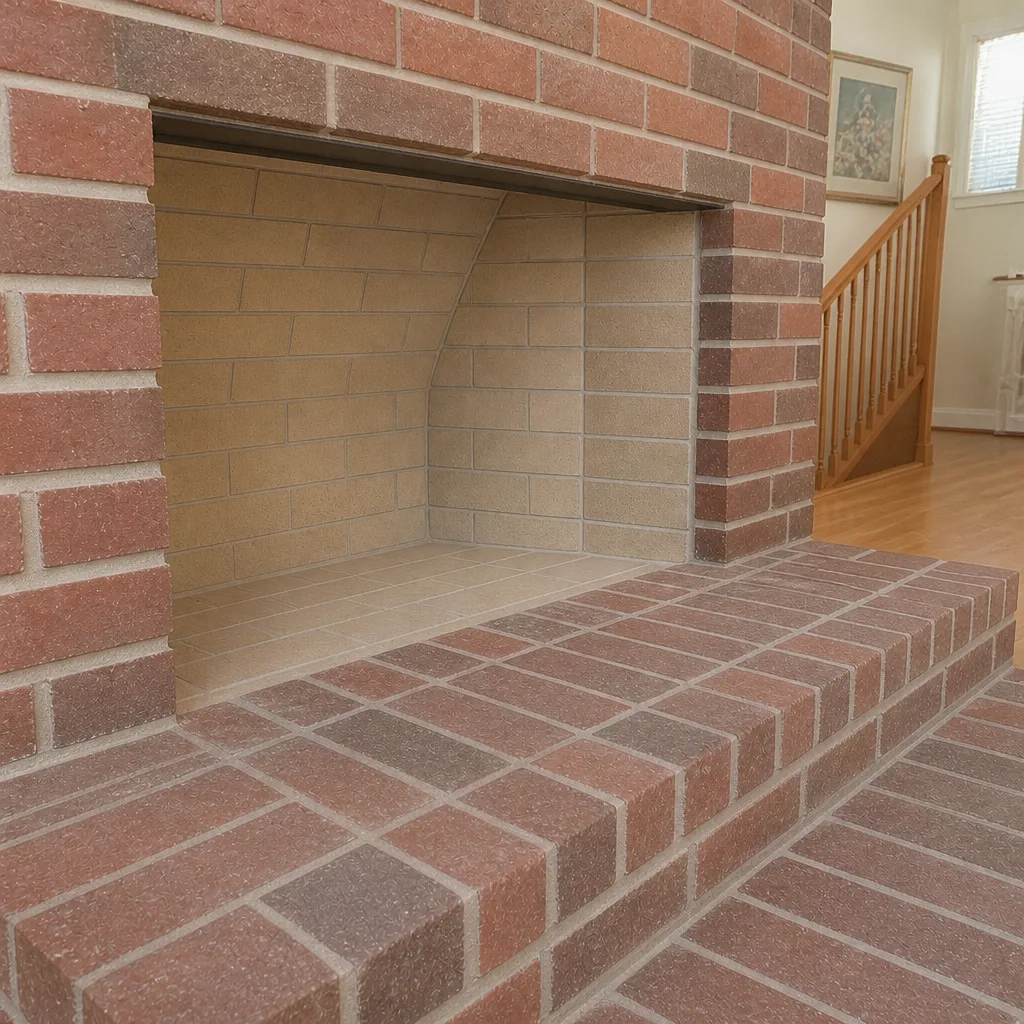
See the difference
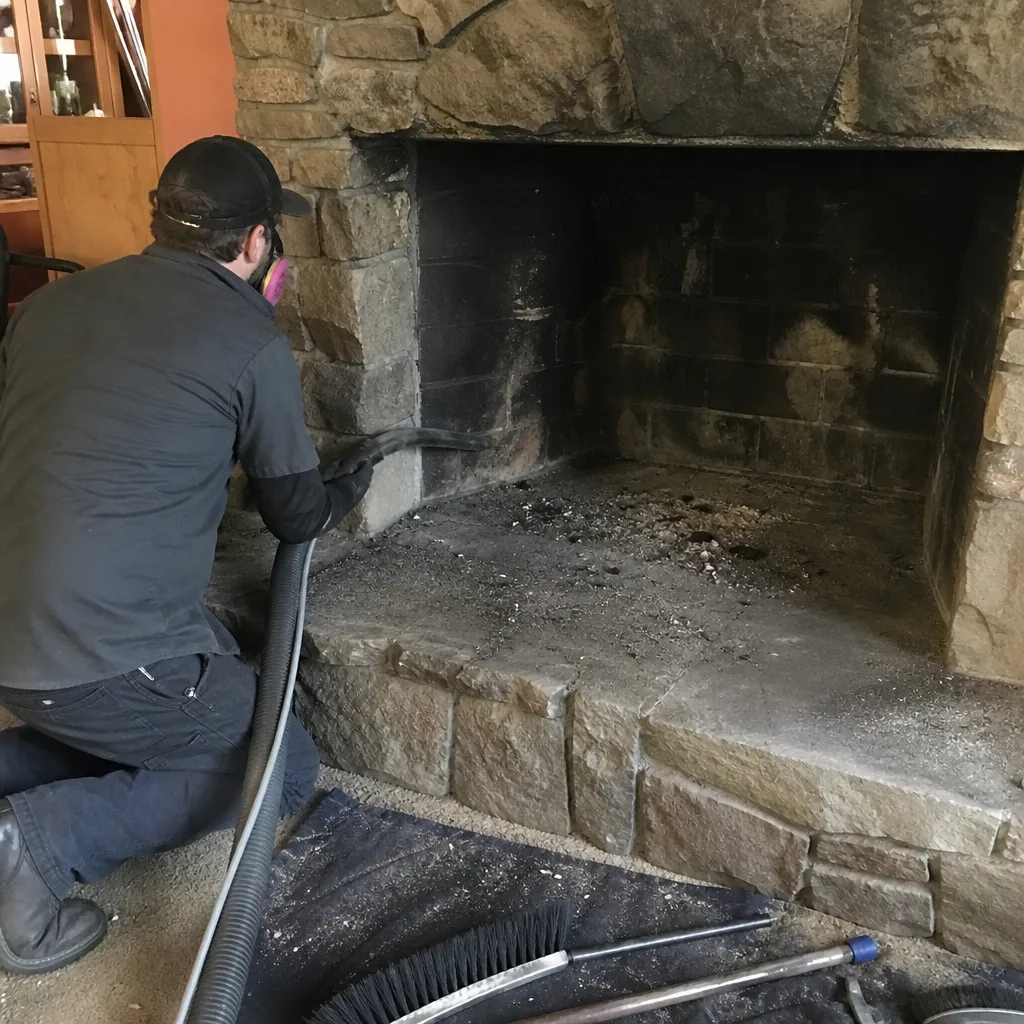 Before
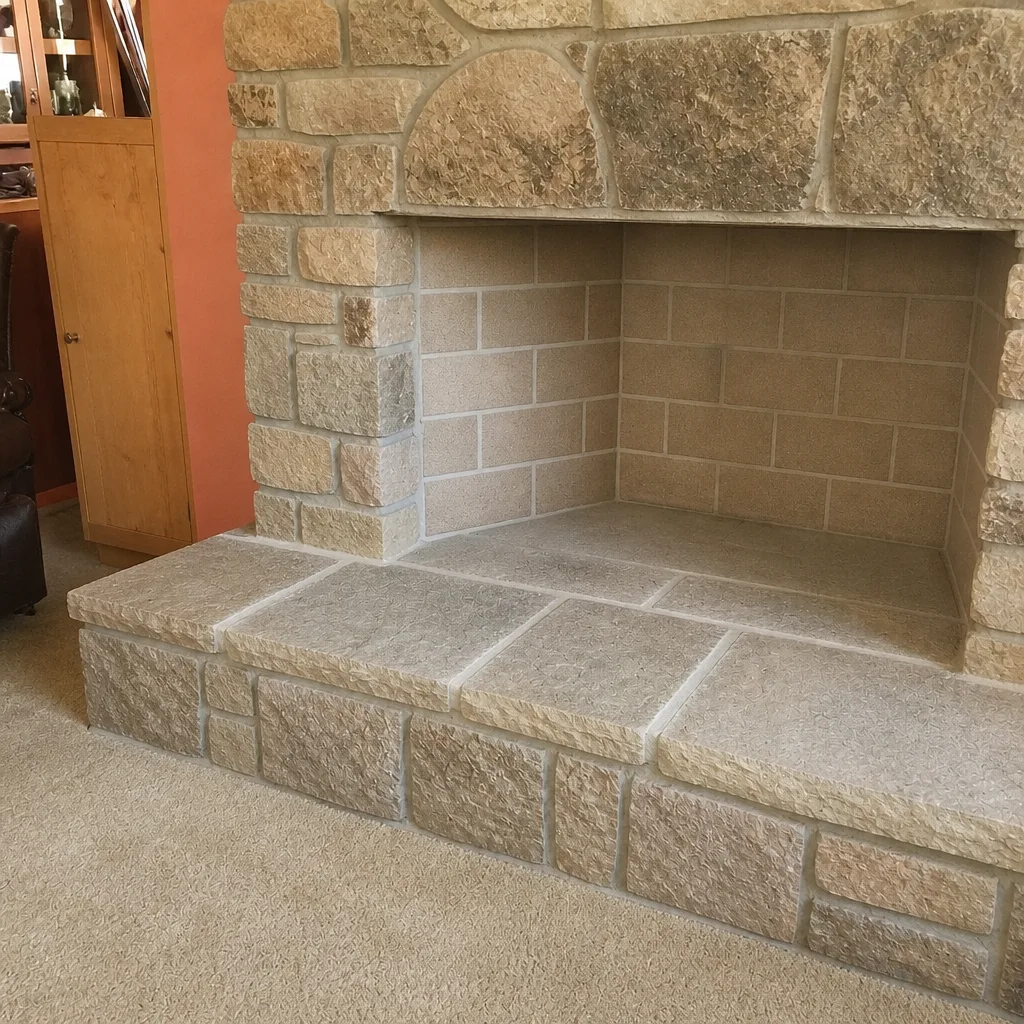 After
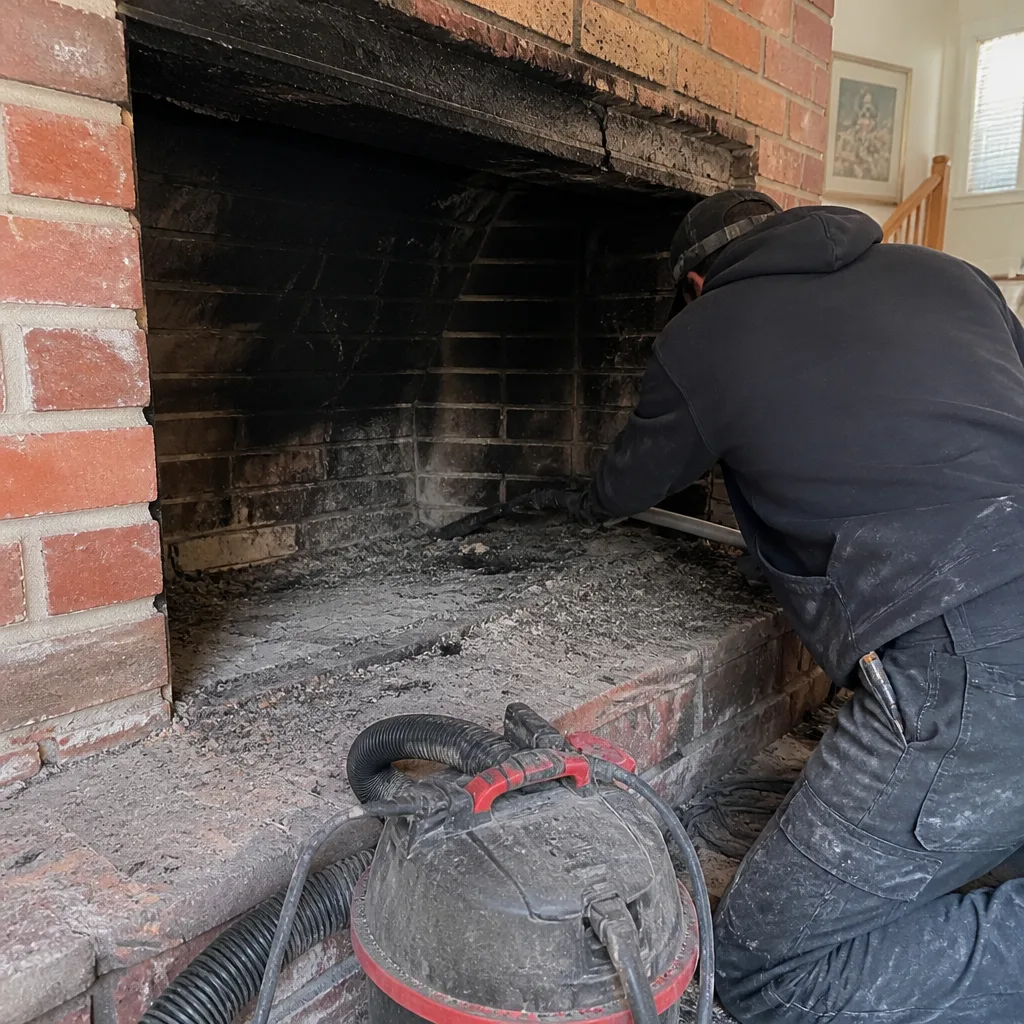 Before
 After
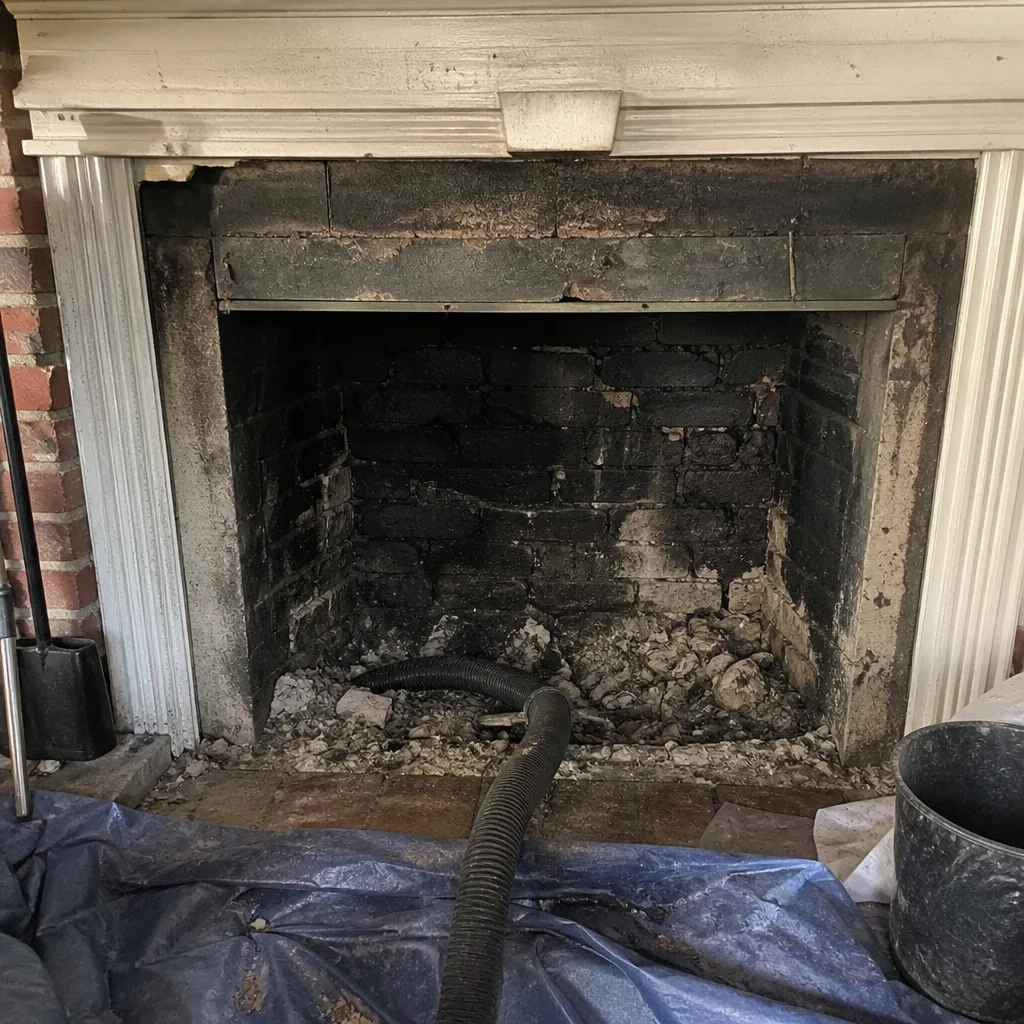 Before
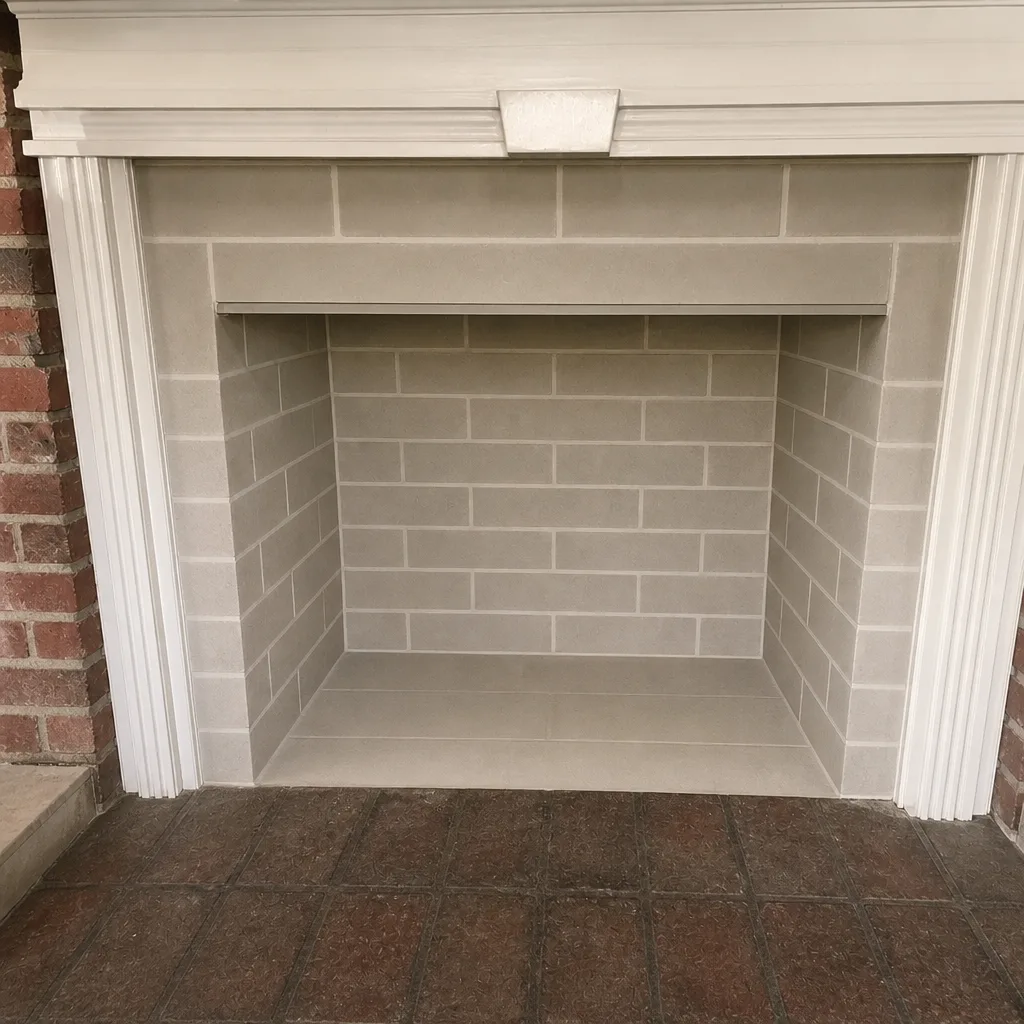 After
Common Mistakes to Avoid
- Brushing a flue you haven’t inspected. A brush doesn’t know the difference between soot and a cracked tile. If the liner condition is unknown, the brush can turn a small problem into a bigger one, and in a Northgate home with an older clay liner, that’s the most common version of this mistake.
- Using a shop vac as your containment. A standard shop vac’s filter isn’t rated for creosote dust, and the exhaust stirs fine particles into the room. Professional containment uses a vacuum built for the particle size and a sealed firebox connection.
- Sweeping only the flue and skipping the smoke chamber. The smoke chamber above the damper collects soot too, and a homeowner cleaning from the firebox or the roof often can’t reach it. It’s part of a complete cleaning, not an optional add-on.
- Treating Stage 2 creosote like Stage 1. Hardened, crusty buildup resists hand brushing. Brushing it harder doesn’t remove it; it just distributes it. Stage 2 needs a rotary head or chemical treatment, and that’s a professional call.
- Skipping the annual inspection because the clean looked fine. A clean flue tells you nothing about the liner, the smoke chamber, or the crown. The inspection is what documents condition, and in Northgate homes with older liners, that’s the part that catches problems early.
- Cleaning a wood stove flue the same way as a fireplace. Stove flues often have offsets and different creosote patterns, and the brush size and rod setup are different. A homeowner who uses fireplace equipment on a stove flue can miss sections of the flue entirely.
- Ignoring the cap and crown. A damaged cap lets water and animals in, and a cracked crown lets water into the masonry. Those aren’t cleaning problems, but they show up during a cleaning, and they’re the reason a Northgate cleaning and a cap check go together.
Frequently Asked Questions
You can clean your own chimney safely if it has a straight flue, an accessible cleanout, intact liner, Stage 1 creosote only, and a standard open fireplace, and if you’ve had a recent professional inspection confirming the liner is sound. If any of those conditions is missing, DIY is a risk, not a savings. Call (855) 715-0663 for an inspection if you’re unsure. We answer 24/7.
A professional cleaning includes a camera inspection with photo documentation, commercial vacuum containment, smoke chamber and damper cleaning, and a report of the liner’s condition. DIY covers the flue surface only, and it doesn’t produce a record of what the flue looks like after the brushing. That record is what tells you whether a repair is needed now or can safely wait.
Most Northgate homeowners who burn regularly should have the chimney inspected once a year and cleaned when the inspection or the creosote level calls for it. A homeowner burning frequently throughout the season may need cleaning annually; a light-use fireplace may go longer between cleanings but still needs the yearly inspection. Call (855) 715-0663 to book an inspection and we’ll tell you what your flue actually needs.
Creosote dust is a respiratory irritant, and the fine particles travel once they’re airborne. A DIY clean without commercial containment releases that dust into the room. That’s why professional cleaning uses a HEPA-rated vacuum and sealed firebox containment rather than plastic sheeting and a shop vac. If you’ve already brushed without containment, ventilate the room and schedule an inspection to check the flue.
No. Glazed, Stage 3 creosote is tar-like and bonded to the flue wall, and hand brushing skates over it rather than removing it. Stage 2 crust resists hand brushes too. Those stages need a rotary head or chemical treatment, and that’s a professional job. Call (855) 715-0663 for an assessment if you see glazed buildup.
A consumer brush kit runs roughly $40 to $120, plus a shop vac if you don’t own one. A professional cleaning is quoted per job after the chimney is assessed, and it includes the inspection, containment, and documentation. The DIY kit saves on the cleaning fee but not on the inspection, and the inspection is the part that catches conditions before they become repairs.
The Bottom Line
DIY chimney cleaning is a narrow option, not a general one. It fits a homeowner with a straight flue, an intact liner, light soot, a standard fireplace, and a recent inspection confirming all of that. Outside those conditions, the consumer brush kit can’t contain the dust, can’t see the liner, and can’t address hardened or glazed creosote. The professional cleaning and inspection together cost more up front and less in the long run, because the camera record and the containment do the work the brush can’t. In Northgate, where older clay liners and long burn seasons make condition the deciding variable, the inspection is the right first call. We tell you what we find, explain what it means, and fix it with materials built for the job. Call (855) 715-0663 for a free estimate. We answer 24/7. Fast dispatch from 7am to 7pm, Sunday through Friday.
Written by the team at Chimney Sweep Northgate.