
Last updated November 25, 2026
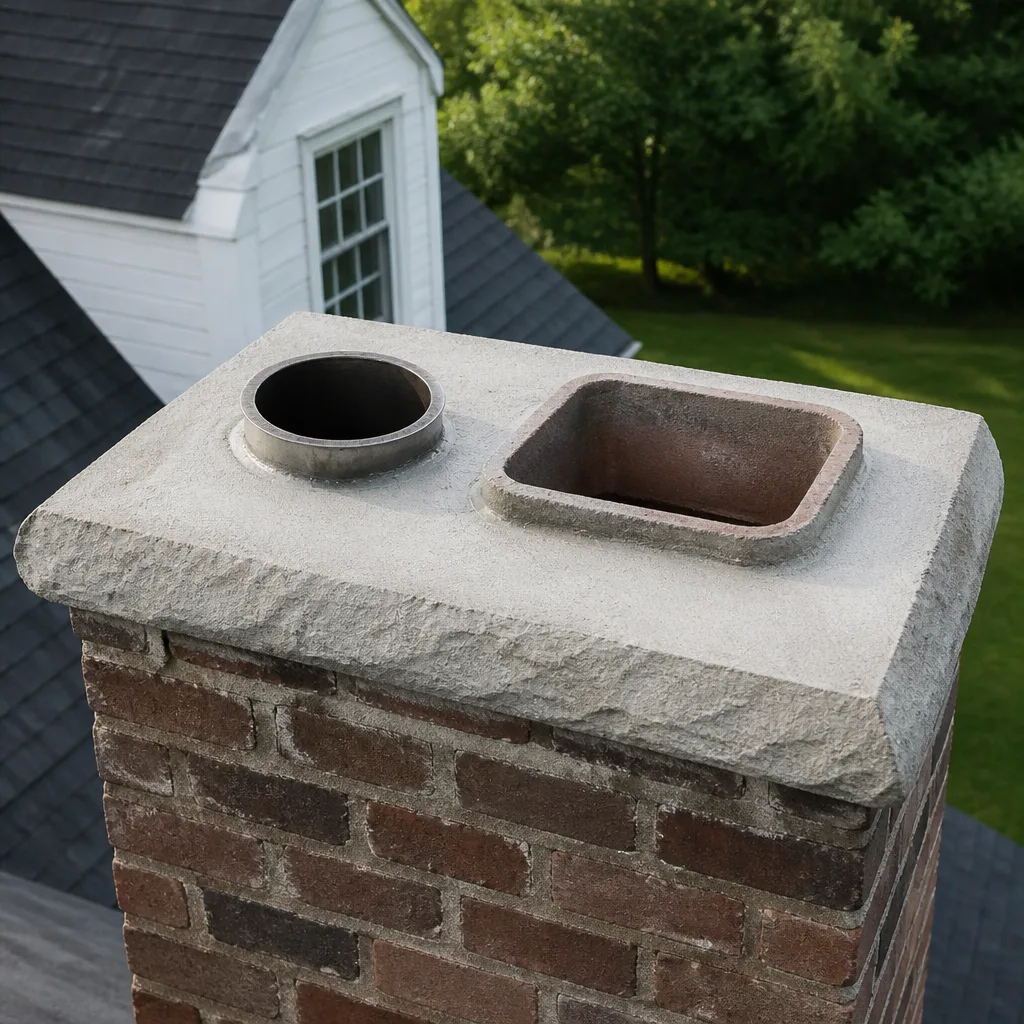 Sweep & inspection
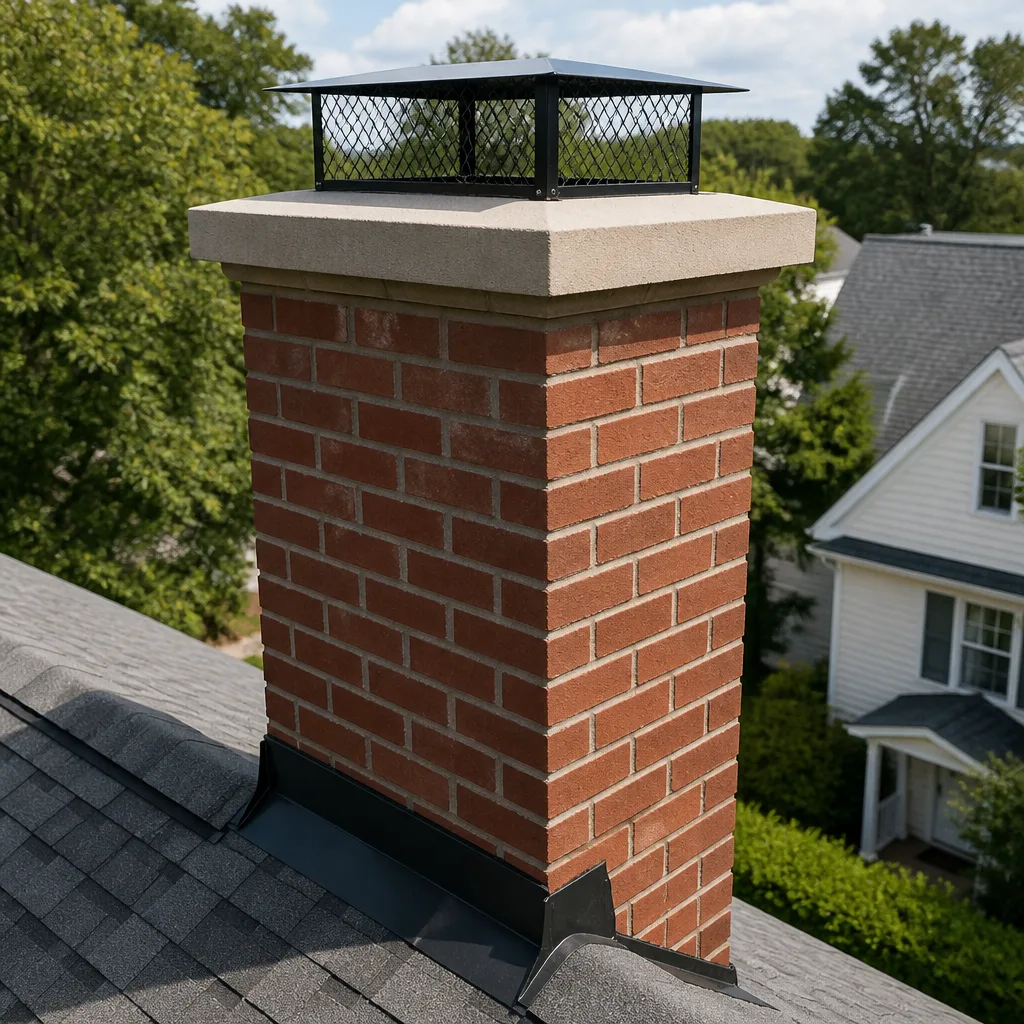 Caps & crowns
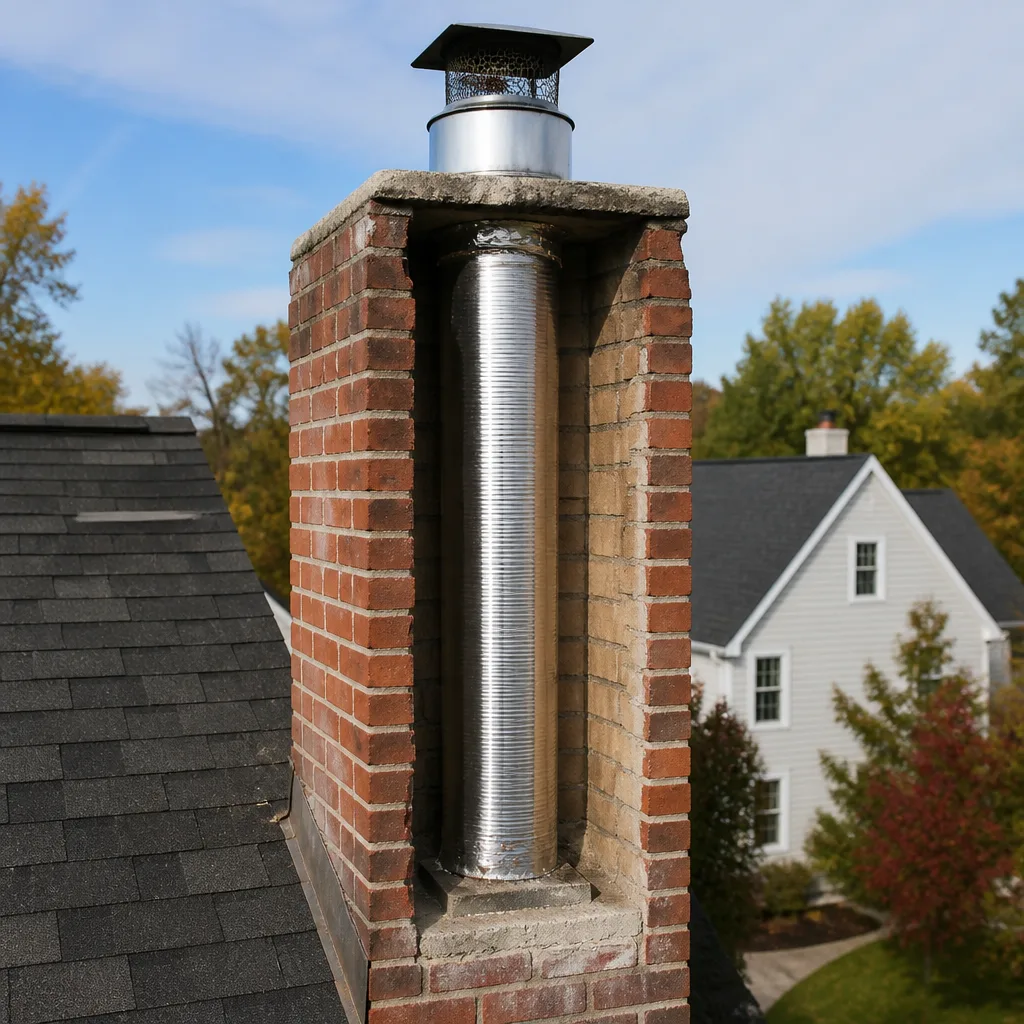 Flue relining
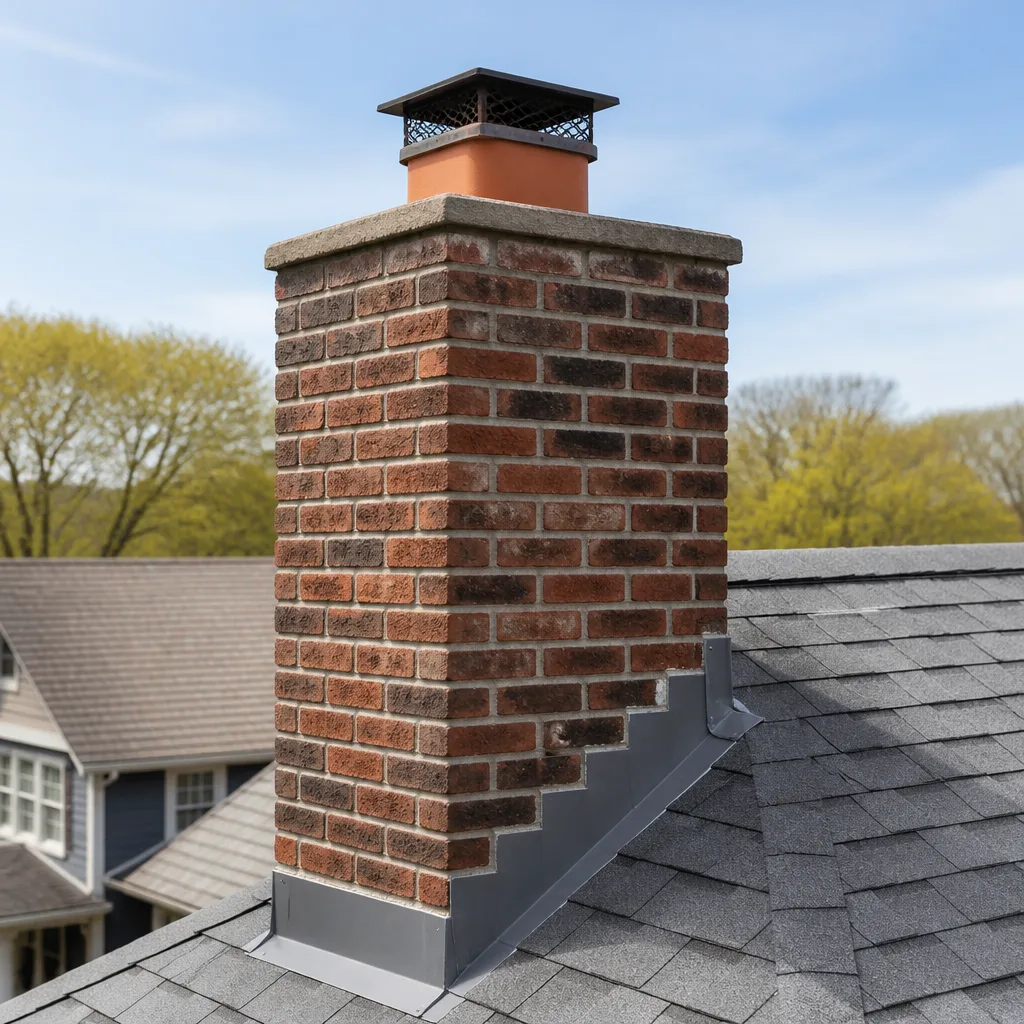 Masonry repair
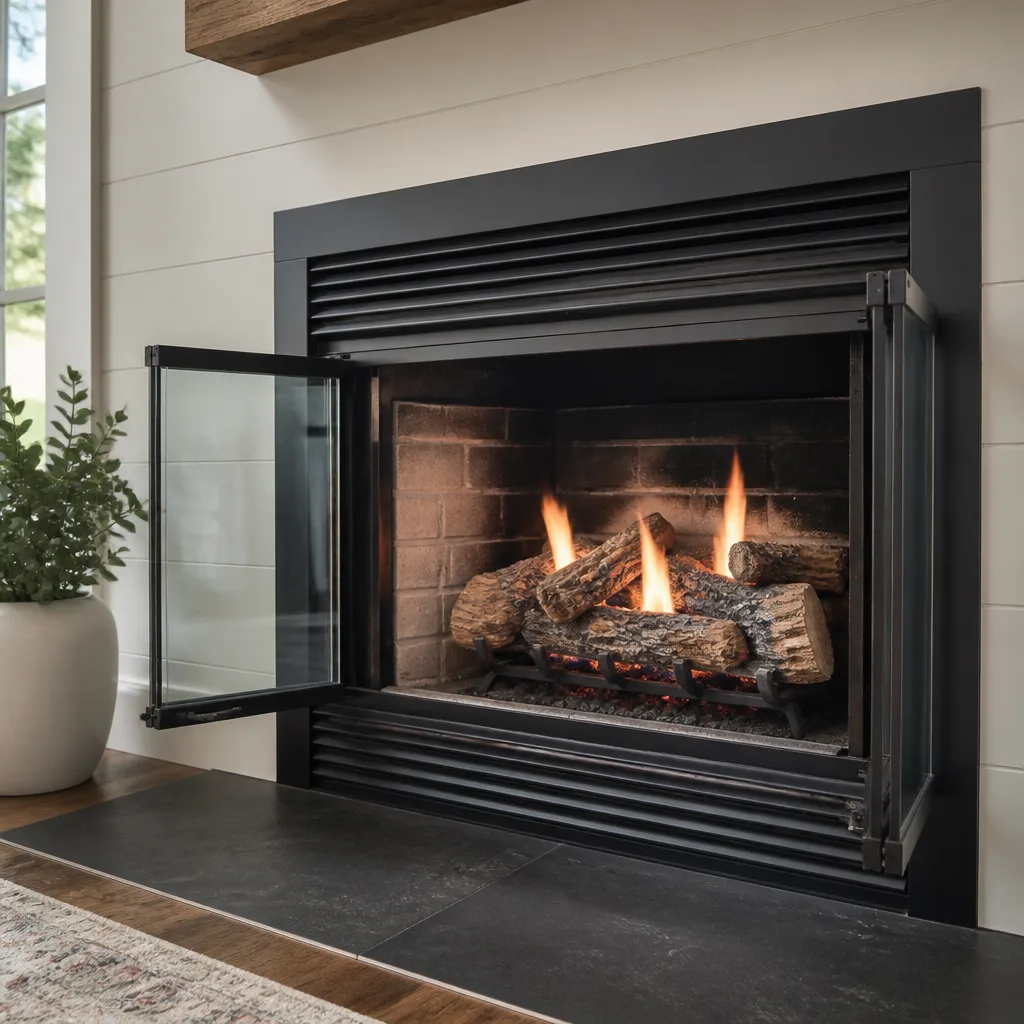 Gas fireplace service
Level 1 sweep and inspection to the NFPA 211 annual standard - flue, crown, cap, and flashing checked and photographed
Chimney sweep logs do not sweep chimneys. They loosen some creosote - which then falls where a brush and vacuum still have to collect it.
Seasonal Chimney Cleaning Care for Northgate: Year-Round Homeowner’s Guide
Most homeowners think chimney care starts when the first cold snap hits and ends when the last fire burns out. In Northgate, that assumption is backwards. The three months after heating season ends are when moisture-driven damage does its quietest and most expensive work: no fire, no creosote, just water finding every small crack the winter left behind. By the time you’re ready to light a fire again, a hairline crack has had all summer to widen. This guide walks you through what actually happens to a chimney in each Northgate season, why late spring is the strategic time for a cleaning here, and how to protect your flue year-round.
Quick Answer
In Northgate, the best time to schedule a professional chimney cleaning is late spring, not fall. Cleaning after heating season removes creosote before summer humidity can combine with it, and it puts a trained eye on the flue right when winter damage is easiest to catch. Year-round care in Northgate means a professional sweep and inspection in spring, moisture control through summer, preparation and animal exclusion in fall, and burn discipline through winter.
Styles & brands we work with
- Sweep & inspection
- Caps & crowns
- Flue relining
- Masonry repair
- Gas fireplace service
Table of Contents
- Why Northgate Chimneys Age Differently
- Spring: The Cleaning Window Most Homeowners Miss
- Summer: Moisture Intrusion and the Idle Chimney
- Fall: Preparation Beyond the Sweep
- Winter: Burn Behavior as a Maintenance Variable
- How Moisture Damage Actually Works in a Flue
- A Simple Year-Round Care Calendar
- Common Mistakes to Avoid
Why Northgate Chimneys Age Differently
Northgate sits in a climate that alternates wet and dry more sharply than most of the country imagines. Fall and winter bring steady rain; summers run warm and often dry for long stretches. A chimney here goes through repeated wetting and drying cycles, and that cycle is what breaks masonry, not any single storm. Water gets into a crack or a porous crown during the wet months, then expands and contracts with the temperature swings. Over several seasons, a hairline becomes a real gap.
Northgate’s housing stock adds another layer. Many homes in the neighborhood were built with clay tile flue liners, which do the job well until the mortar joints between tiles degrade. Once a joint fails, the liner is no longer a sealed column, and the chimney loses its ability to contain heat and gases. That failure is invisible from the firebox. It only shows up on camera.
We work with professional-grade materials because Northgate chimneys demand real repairs, not patches. A clay liner that’s been compromised isn’t restored with caulk or a brush-on coat from a hardware store. It’s relined with a factory-fit system like DuraFlex, resurfaced with HeatShield when the tiles are still structurally sound, or finished with components from Copperfield or Olympia Chimney that are built to the same standard certified professionals specify nationwide.
What this means for you: the calendar matters here. A chimney in Northgate isn’t just accumulating soot during burning season. It’s also absorbing and releasing moisture year-round, whether or not there’s ever a fire in it.
Spring: The Cleaning Window Most Homeowners Miss
Ask most homeowners when to book a sweep, and they’ll say fall. In Northgate, late spring is the better answer. Here’s why: cleaning in April or May removes the creosote that built up over the winter, and it removes it before summer humidity has a chance to interact with it. Creosote is not inert. Left on a flue wall through a damp summer, it can become sticky and harder to remove, and it continues to corrode the surfaces it sits on.
Spring cleaning has a second benefit that matters more. It puts a trained set of eyes on the flue right when winter damage is fresh and easy to identify. Cracks that opened during the wet season are visible in spring. By fall, they’ve had months to collect debris and moisture, and what was a simple repair can turn into a liner replacement.
A proper spring visit in Northgate should involve more than a brush through the flue. Here’s what a complete service looks like:
- Visual inspection of the firebox, damper, smoke chamber, and flue from below.
- A camera inspection of the flue to check tile joints and confirm the liner is intact.
- A full sweep to remove creosote and soot from the flue and smoke shelf.
- A look at the cap and crown from the roof, since those are the first line of defense against water.
- A written report with photos, so you can see what we saw.
That last step is the one that changes the experience. You shouldn’t have to take anyone’s word for what’s inside your chimney. If we recommend a repair, the camera footage should show you why. If everything’s fine, we should tell you that plainly and let the chimney wait until next spring.
Summer: Moisture Intrusion and the Idle Chimney
An unused chimney is not a dormant one. During Northgate’s dry summer months, the chimney is still exposed to temperature swings and occasional rain, and the interior of the flue is still working. Warm air rises through the chimney, cools at the top, and can condense on the flue walls. That condensation, combined with any creosote left from winter, is a slow-acting problem.
The bigger summer risk is water getting in from above. A missing or damaged cap lets rain straight into the flue. A cracked crown lets water seep into the masonry at the top of the chimney, where it works its way down through freeze and thaw cycles the following winter. Neither problem announces itself. You won’t smell it or see it from the firebox until the damage is well underway.
There are practical ways to interrupt this pattern in Northgate:
- Check the cap. A chimney cap should keep rain, birds, and debris out while letting smoke escape. If yours is missing, loose, or rusted through, replacing it is one of the least expensive protective steps you can take. We install caps and crowns built from Copperfield and Famco components, sized to the flue rather than universal fit.
- Look at the crown. The crown is the concrete slab at the top that sheds water away from the flue. If it’s cracked or crumbling, water is getting behind it. Crown repair or rebuild is part of the work we do.
- Keep the firebox dry. If you notice dampness, staining, or a musty smell in the firebox during summer, that’s a signal to get the chimney inspected before fall.
Summer is also the easiest time to schedule work. If you’re planning a chimney cap & crown repair or a liner project, doing it in the dry months means the chimney has time to settle before heating season. Ask for a camera inspection first so the recommendation is based on evidence you can review, not on a walkaround opinion.
Fall: Preparation Beyond the Sweep
Fall is when most Northgate homeowners think about the chimney, because it’s when the first fires get lit. The sweep is the obvious task. The less obvious tasks are the ones that determine how well the chimney performs through the winter.
Start with the damper. A damper that doesn’t seal properly lets heated room air escape up the flue when the fireplace is idle, and it can let cold air down when the fire is going. Check that it opens and closes smoothly and sits flush. If it’s stuck or warped, that’s a fireplace repair item, not something to work around.
Animal exclusion is the other fall priority. Squirrels, birds, and raccoons look for warm shelter as temperatures drop, and an uncapped chimney is an open door. A properly fitted cap with a mesh screen is the fix. It’s also a good time to check that the cap hasn’t been damaged by summer storms.
Here’s a fall preparation checklist we recommend for Northgate homes:
- Schedule a professional chimney sweep before the first fire, especially if you didn’t clean in spring.
- Test the damper and note any stiffness, gaps, or difficulty sealing.
- Confirm the cap is present, secure, and screened against animals.
- Check the crown for new cracks after summer heat and any storms.
- Clear any debris from the firebox and confirm the smoke shelf is clean.
- Have the flue inspected if you skipped spring, so you’re not starting the season with an unknown.
If your chimney was cleaned and inspected in spring, fall can be lighter: a quick damper check, a cap inspection, and you’re ready. That’s the practical payoff of moving the cleaning earlier in the year.
Winter: Burn Behavior as a Maintenance Variable
How you burn wood determines how fast creosote accumulates, which means burn behavior is a maintenance variable, not just a comfort preference. In Northgate, winter burning runs long, and a chimney that sees fires most evenings will build up more than one used occasionally. That’s expected. The variable is what kind of creosote builds up.
Creosote forms in three general stages. The first is light soot and flaky deposits that a brush removes easily. The second is a hardened, glazed layer that requires more aggressive removal. The third is the dense, tar-like stage that can be difficult to remove at all and is associated with chimney fire risk. The path from stage one to stage three depends largely on two things: how hot the fire burns and how much air the wood gets.
Burning seasoned wood, keeping the fire hot enough to burn cleanly, and avoiding long smoldering overnight burns all slow the buildup. Burning green or wet wood, or damping the fire down low for hours, accelerates it. The same chimney, run two different ways, can go a whole season without a serious deposit or need attention before the season’s over.
Two safety points are worth stating plainly, because they’re the reason this matters. A chimney fire is fueled by creosote, and a flue that’s lost its integrity because of a crack or a failed tile joint can let carbon monoxide into the home instead of up the stack. Neither is something you can detect by looking at the fireplace. Both are why a camera inspection exists. If your chimney hasn’t been inspected and you’ve been burning heavily, book a sweep and inspection before the season gets further along. A chimney sweep visit with a camera is how you find out what’s actually there.
How Moisture Damage Actually Works in a Flue
The phrase “water damage” sounds dramatic, but the mechanism is simple and slow. Masonry is porous. Water gets into the brick or the crown, freezes when temperatures drop, expands, and pushes the material apart slightly. When it thaws, it recedes. Repeat that cycle through a Northgate winter, and a small amount of water does a large amount of work over several seasons.
Clay tile liners fail the same way but with a different result. The tiles themselves are durable, but the mortar joints between them are the weak point. Once a joint cracks, the flue is no longer a continuous sealed column. Gases and moisture can reach the masonry around the liner, and the flue loses its ability to contain heat. From the firebox, nothing looks different.
There are two professional responses to a compromised clay liner, and the right one depends on what the camera shows:
- HeatShield resurfacing. When the tiles are still structurally sound but the joints have failed, HeatShield is a proprietary flue resurfacing system that certified professionals apply to restore a smooth, sealed interior without removing the existing liner. It addresses the creosote-damaged and joint-failed liner that a sweep-only operator can’t handle.
- Liner installation. When the liner can’t be salvaged, a new lining system is the answer. We install DuraFlex and Olympia Chimney lining systems, which are factory-fit to the flue rather than cut to length on site.
We tell you what the camera shows, explain what it means, and recommend the repair that fits the evidence. If a liner can safely wait a season, we’ll say so. That’s the standard we hold to, and it’s why an inspection standalone matters: you can get an honest read on your chimney without any pressure to book work the same visit.
A Simple Year-Round Care Calendar
Here’s how the Northgate chimney year breaks down in practice. The exact timing depends on your burning habits, but the sequence holds.
- Late spring (April – May): Professional sweep and camera inspection. This is the priority visit for Northgate homes. Remove winter creosote before summer humidity, and catch winter damage early.
- Early summer (June): Address any repairs identified in spring, including cap and crown work and liner projects. Dry weather gives masonry time to cure.
- Mid-summer (July – August): Check for moisture intrusion. Look for dampness in the firebox or staining on the exterior masonry. Confirm the cap is secure.
- Early fall (September): Damper check, animal exclusion, cap inspection. Confirm the chimney is ready for the first fire.
- Heating season (October – March): Burn seasoned wood, keep fires burning cleanly, and avoid prolonged smoldering. Book a mid-season sweep if you burn heavily.
Two visits a year, spring and fall, keep most Northgate chimneys in good shape. The spring visit does the heavy work. The fall visit confirms nothing changed over summer.
Common Mistakes to Avoid
- Waiting for fall to clean. Fall cleaning is the national template, but in Northgate it means creosote sits through a damp summer first. Spring cleaning catches winter damage when it’s still small.
- Assuming a clean chimney is a safe chimney. A sweep removes creosote. It doesn’t tell you whether the liner is intact. That’s what the camera inspection is for, and the two aren’t the same service.
- Ignoring the cap because the fire burns fine. A missing cap doesn’t affect how the fire burns. It affects how much water and how many animals get into the flue. The problem shows up later, as masonry damage.
- Burning wet or green wood to stretch the supply. It burns cooler, produces more creosote, and costs you more in chimney maintenance than it saves in firewood.
- Damping a fire down low for long overnight burns. This is one of the fastest ways to build dense, glazed creosote. A hot, clean burn is better for the chimney than a long, slow smolder.
- Hiring a sweep-only provider for a structural problem. If the camera shows a failed liner, a sweep-only operator has to hand you off. We handle the full arc, from cleaning through HeatShield resurfacing and liner installation, so nothing gets lost between contractors.
- Treating a crack in the crown as cosmetic. A cracked crown lets water into the masonry at the top of the chimney. Given Northgate’s wet winters, that’s the entry point for most of the damage we see.
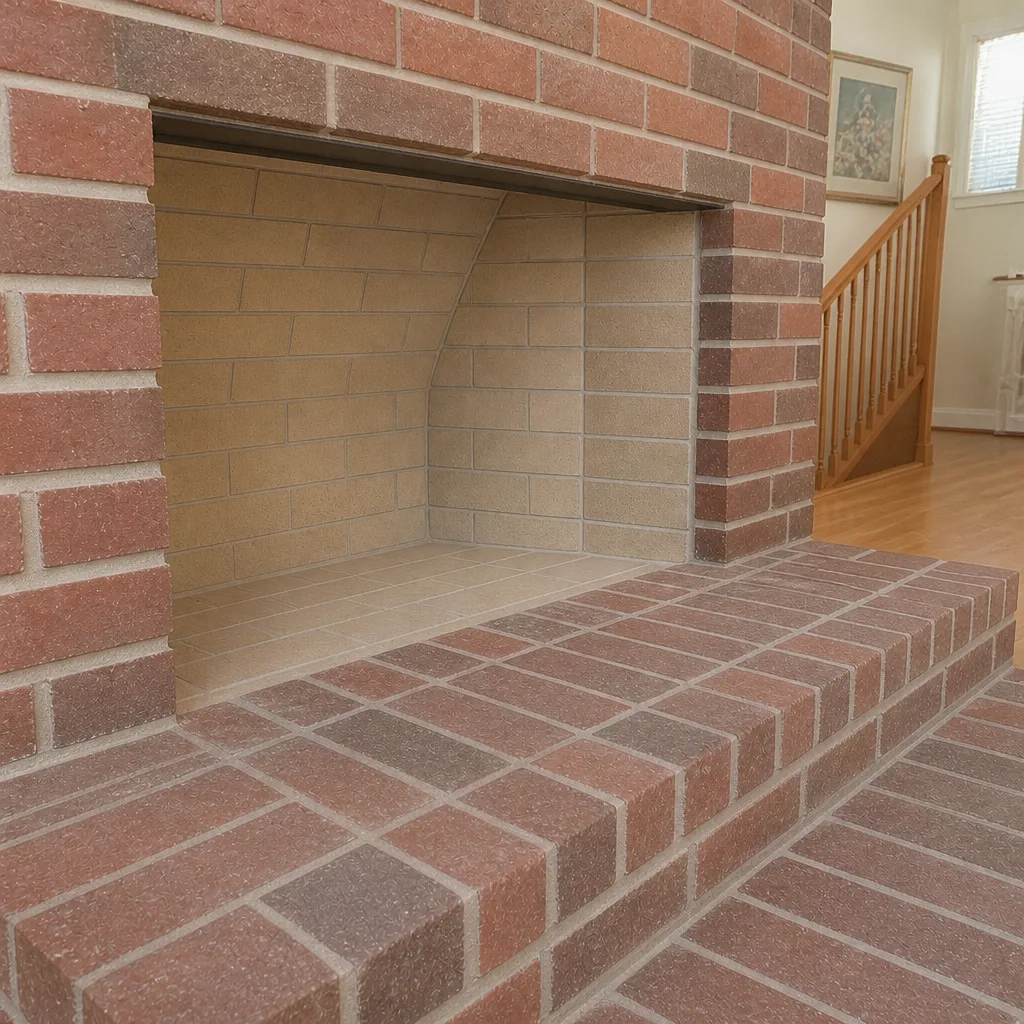
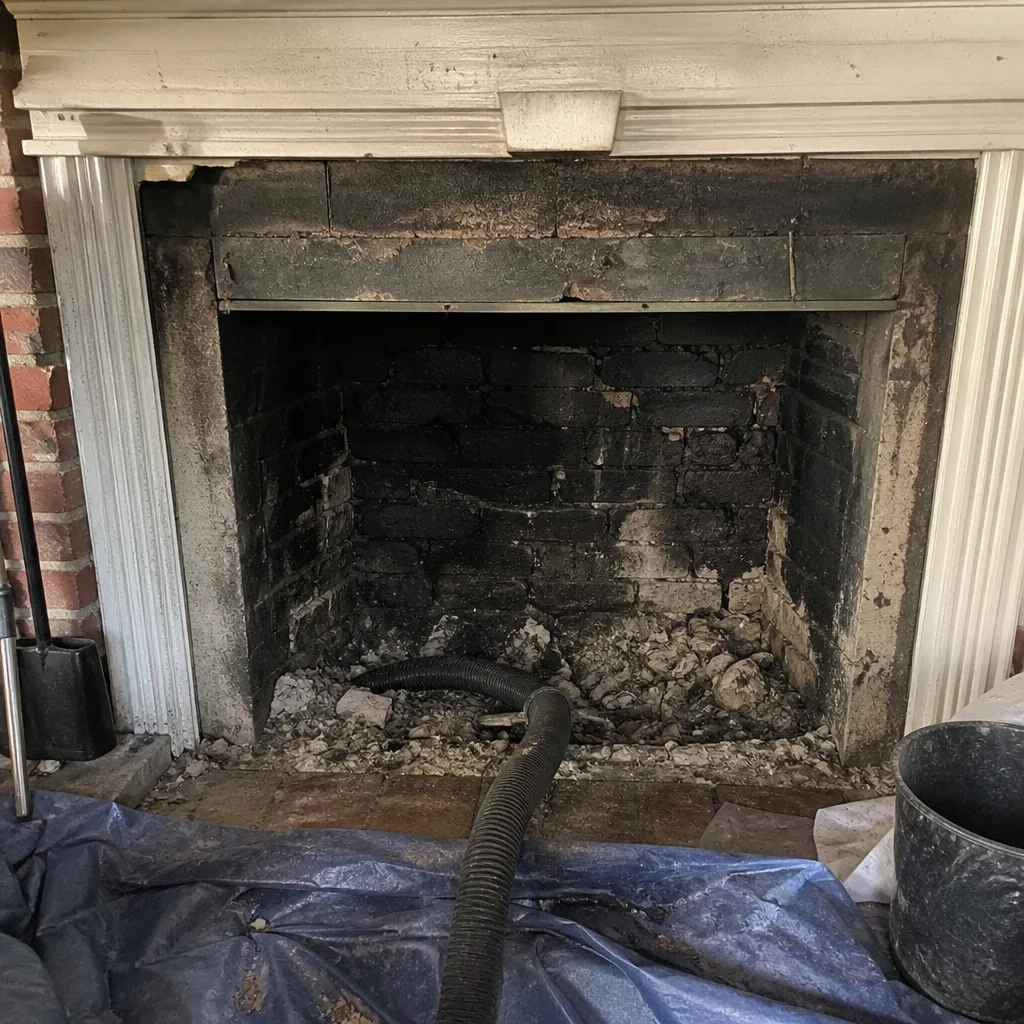
See the difference
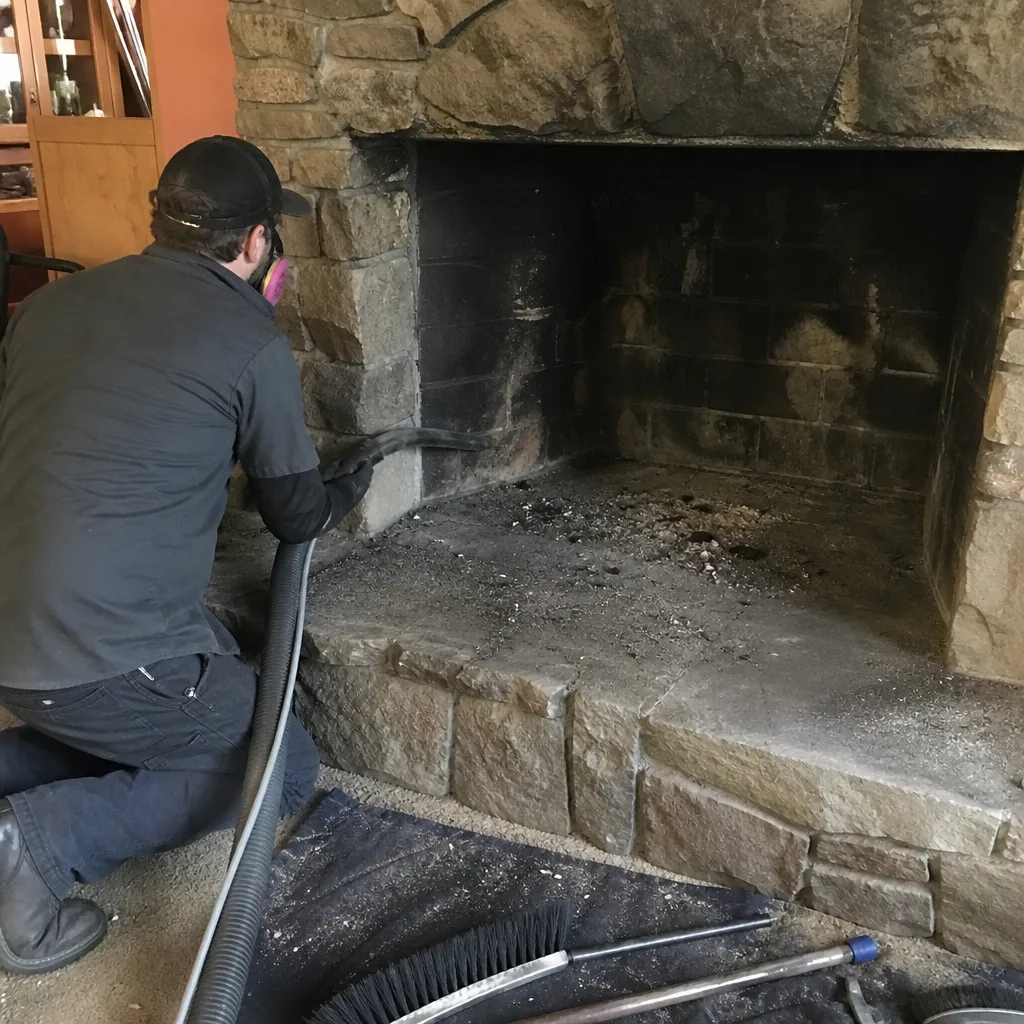 Before
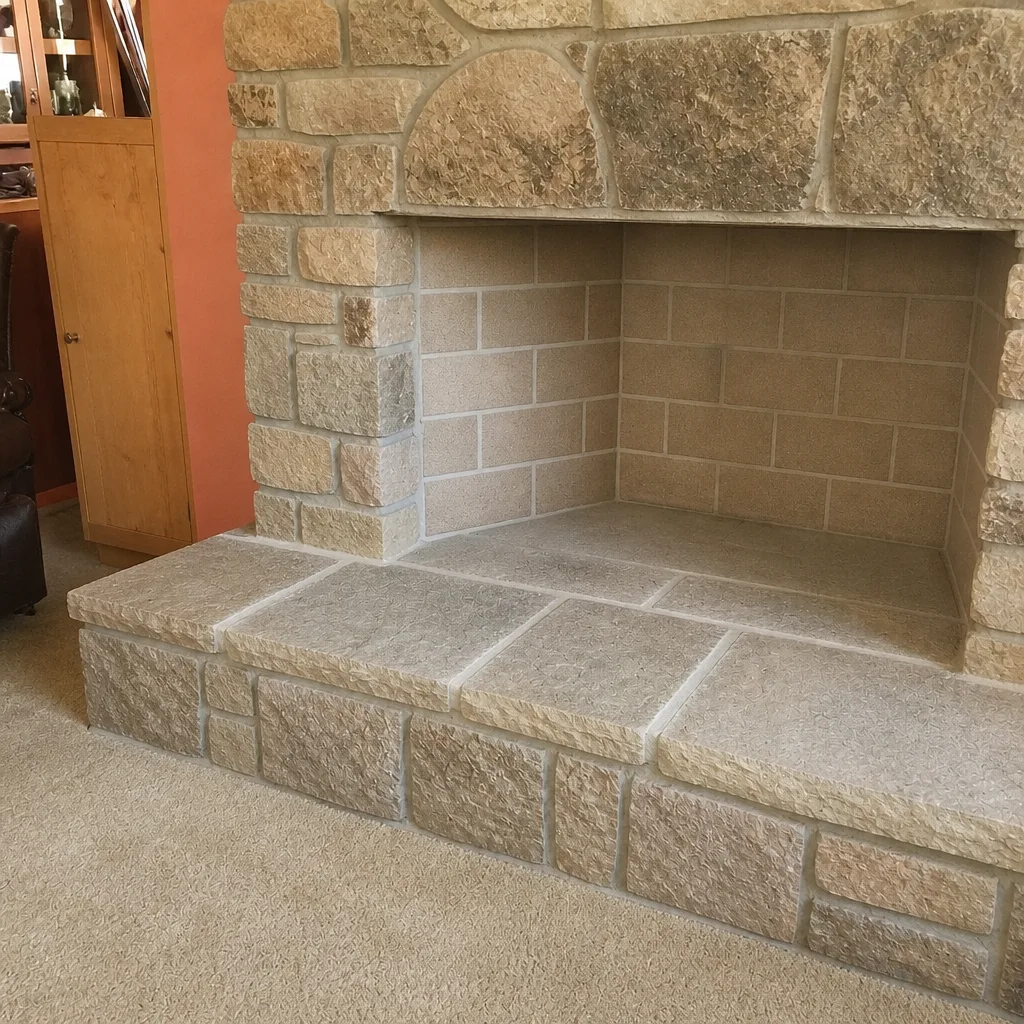 After
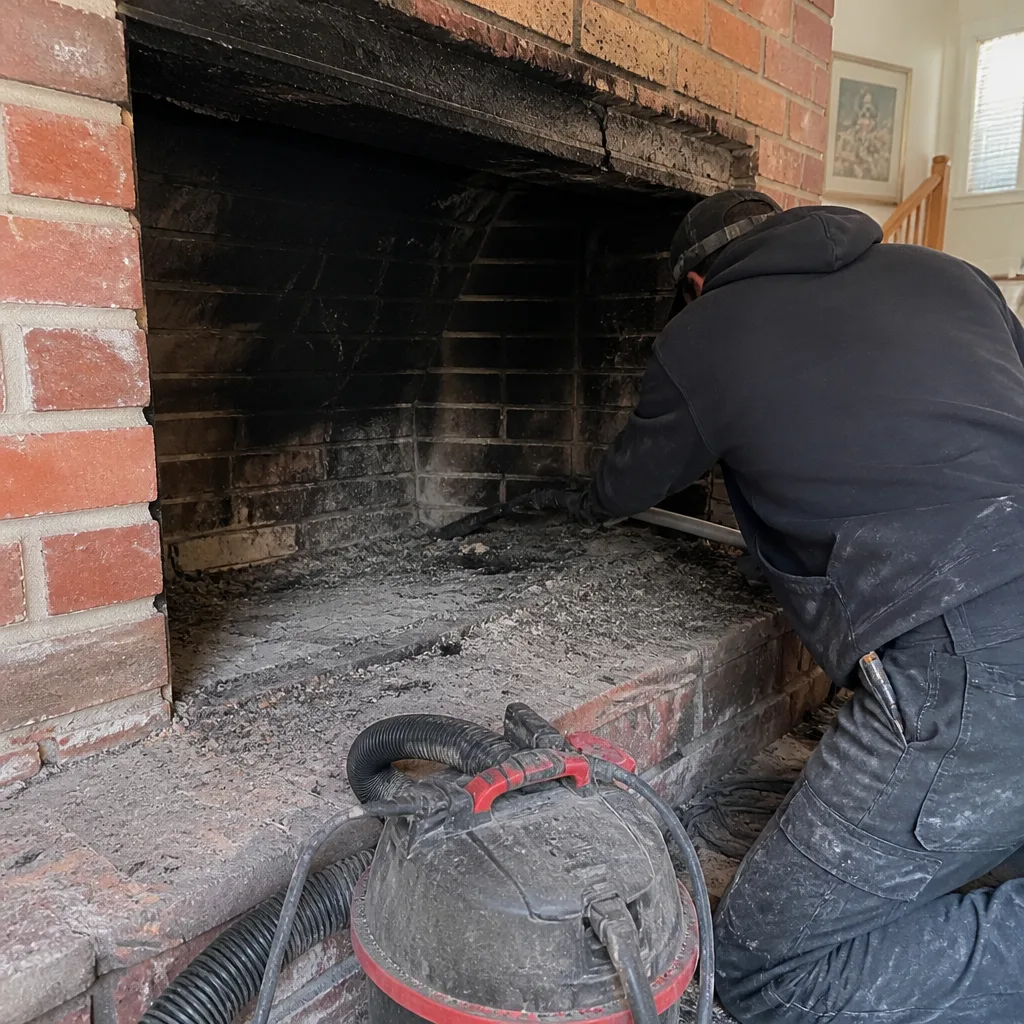 Before
 After
 Before
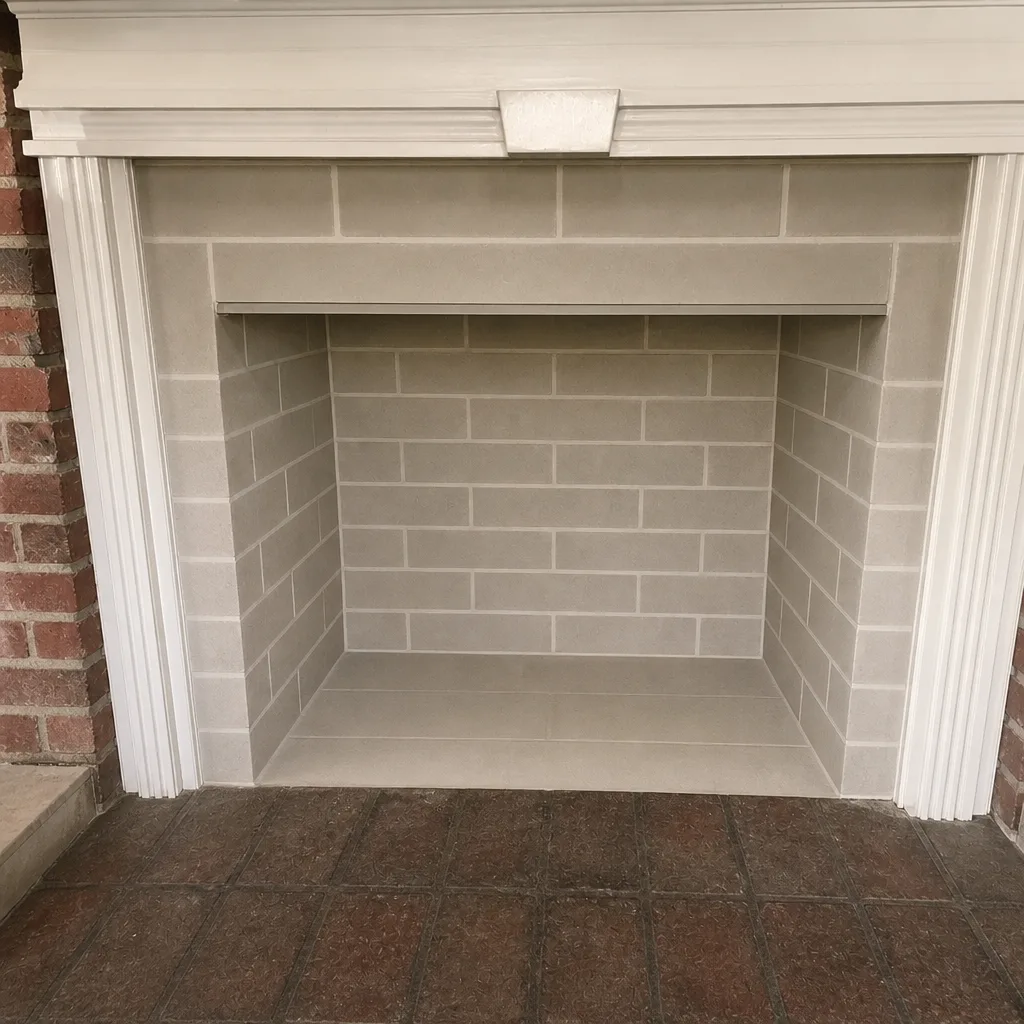 After
When to Call a Professional
Some chimney issues are obviously a call: a strong creosote smell, smoke backing into the room, visible staining on the exterior masonry, or animals in the flue. Others are quieter. If it’s been more than a year since your last sweep, if you’ve been burning heavily through a Northgate winter, if you notice dampness in the firebox during summer, or if you’ve never had a camera inspection, those are all reasons to book one. A standalone inspection is a good starting point if you just want to know the condition of the chimney before committing to anything. Chimney Sweep Northgate offers free estimates in Northgate. Call (855) 715-0663. We answer 24/7. Fast dispatch from 7am to 7pm, Sunday through Friday.
Frequently Asked Questions
Late spring is the best time for a chimney sweep in Northgate. Cleaning after heating season removes creosote before summer humidity can interact with it and catches winter damage while it’s still easy to repair. A fall sweep is still useful, but it misses that window.
Once a year is the baseline for most Northgate homes, with a second visit if you burn heavily or notice performance issues. Homes that burn most evenings through winter often benefit from a mid-season check. Call (855) 715-0663 for an exact quote; estimates are free.
Skipping a year lets creosote build up and gives any winter damage a full season to worsen before it’s found. The risk compounds: a small joint crack left through a wet summer and a freezing winter can turn a simple repair into a liner replacement. It’s worth booking the spring visit even in a light-burning year.
A liner is only recommended when the camera inspection shows the existing liner has failed. You should be able to see the footage yourself and understand why the repair is needed. When tiles are still sound but joints have failed, HeatShield resurfacing can restore the flue without a full reline. Call (855) 715-0663 for a free estimate and ask to see the inspection findings.
Yes. Summer is when moisture intrusion does its quietest work in Northgate. Rain getting past a missing cap or a cracked crown works into the masonry, and temperature swings cause it to expand and contract. An idle chimney still needs its cap and crown checked.
Check the damper, confirm the cap is secure and screened, and look for new cracks in the crown. If you skipped your spring sweep, book one before lighting up. These four checks take a few minutes and catch most of what goes wrong at the start of heating season.
For a full look at our chimney services in Northgate, start at Chimney Sweep Northgate.
The Bottom Line
Northgate’s chimney care calendar doesn’t follow the national template. Spring, not fall, is when a cleaning does the most good, because it removes creosote before summer moisture and catches winter damage early. Summer is about moisture control: cap, crown, and a dry firebox. Fall is about dampers and animal exclusion. Winter is about how you burn. Do all four and the chimney stays clean, sealed, and structurally sound. Skip the shoulder seasons and you’re relying on luck. One specialist for the full job, inspection through repair, is how you avoid that.
Written by the team at Chimney Sweep Northgate.