
Last updated November 25, 2026
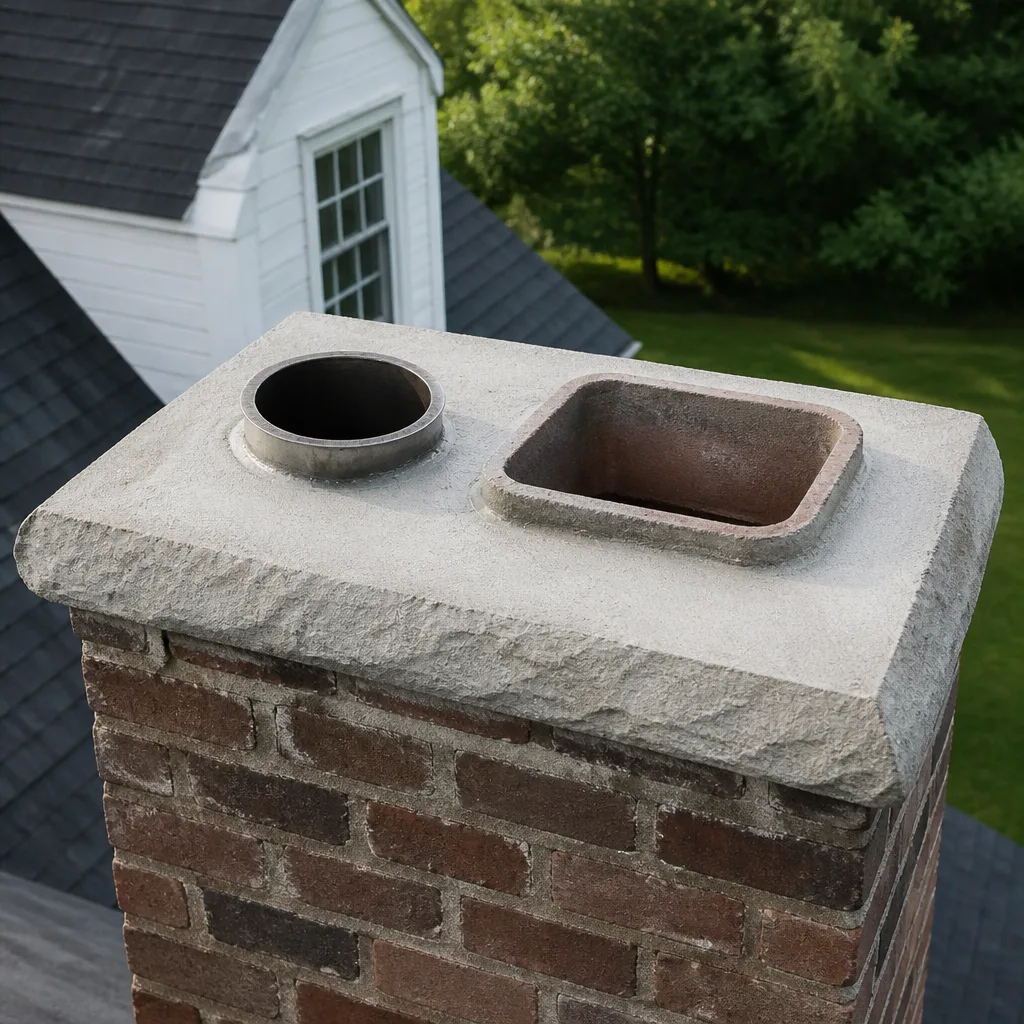 Sweep & inspection
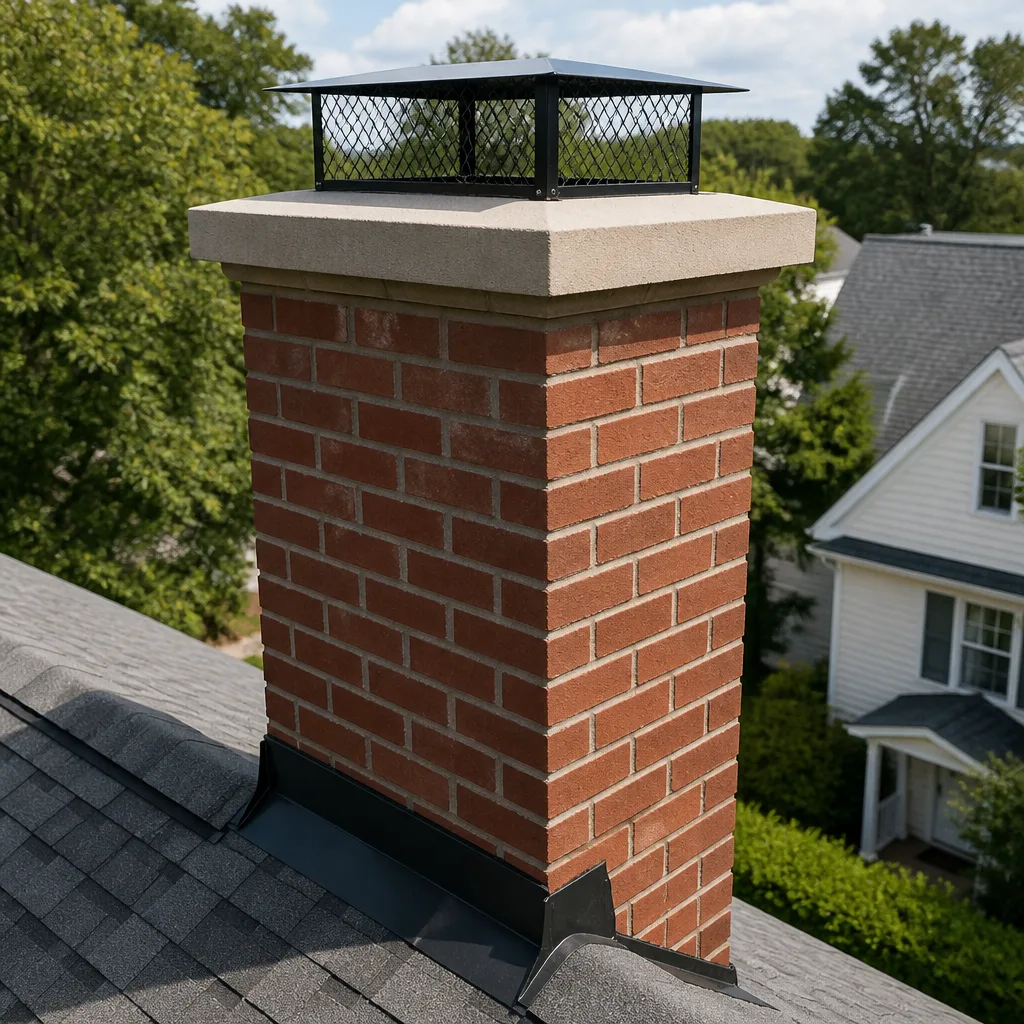 Caps & crowns
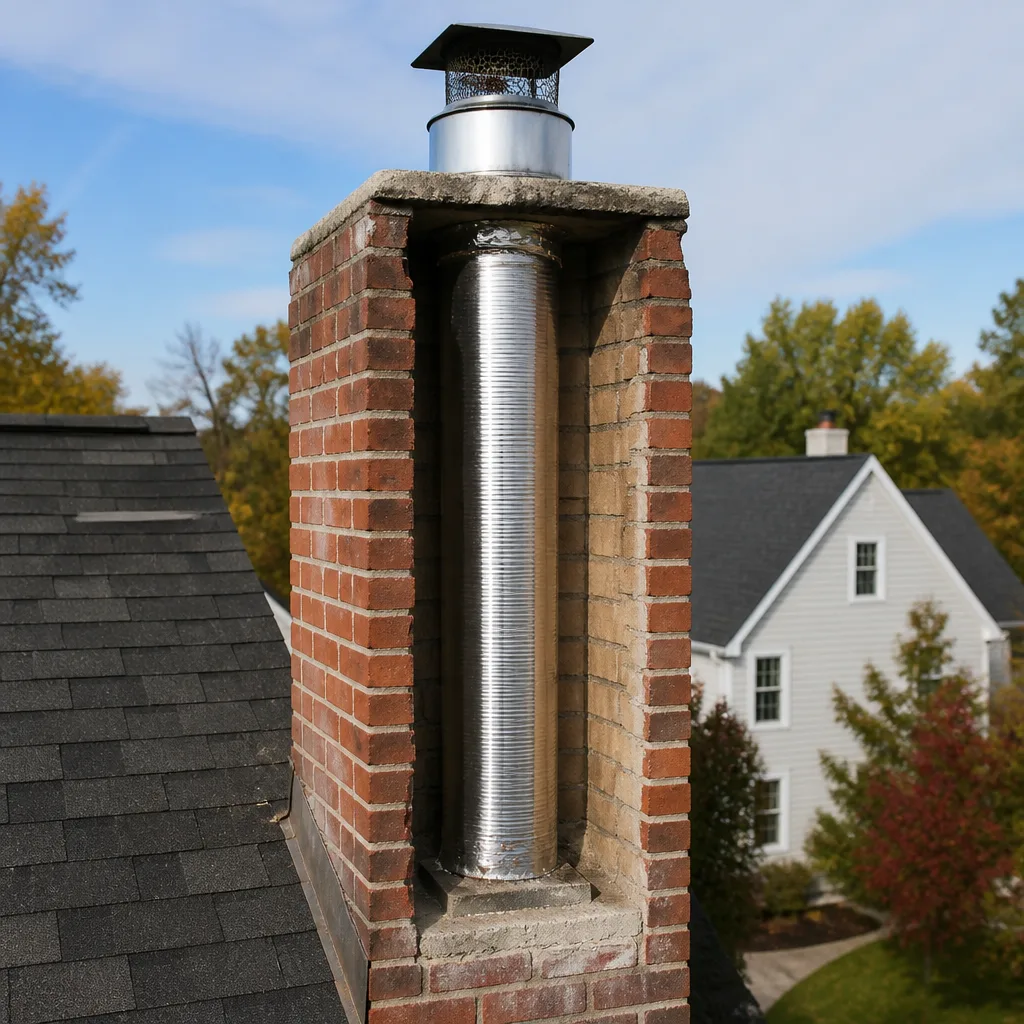 Flue relining
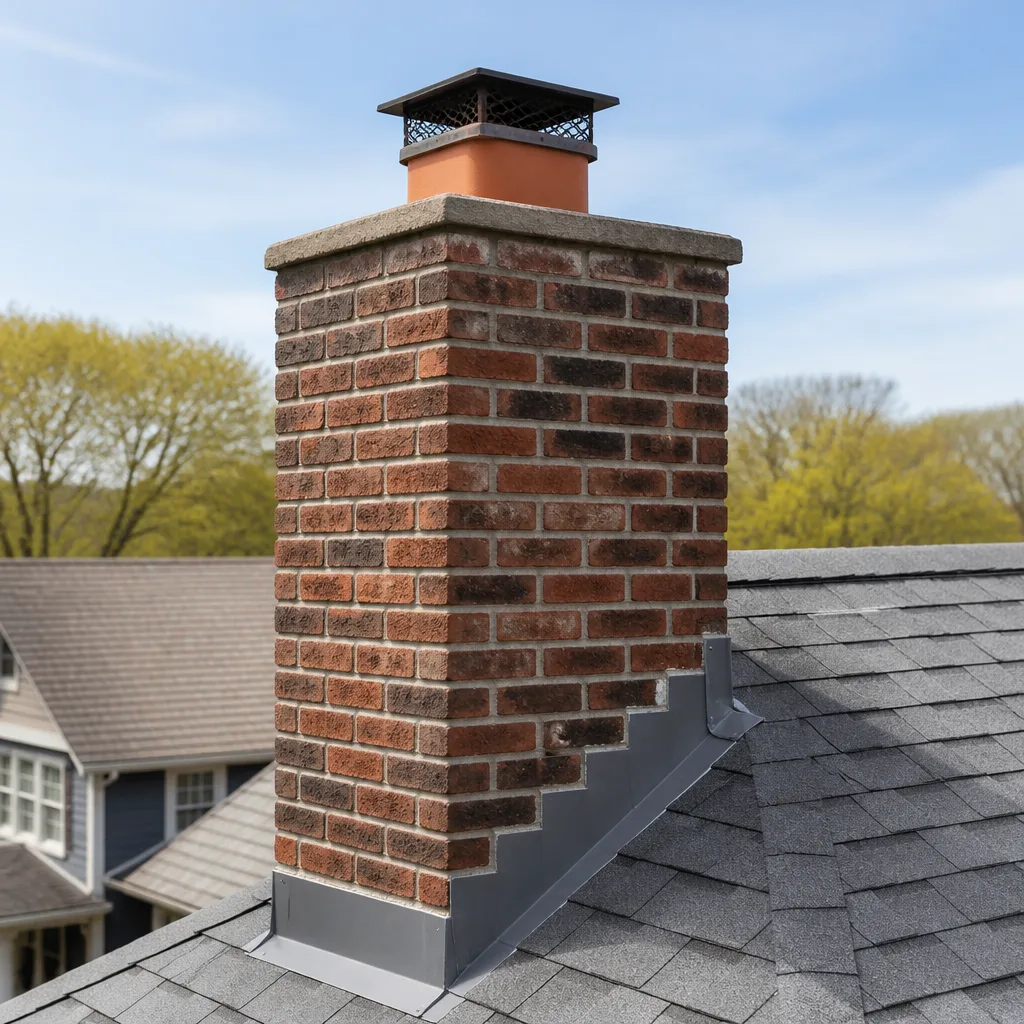 Masonry repair
 Gas fireplace service
Level 1 sweep and inspection to the NFPA 211 annual standard - flue, crown, cap, and flashing checked and photographed
Chimney sweep logs do not sweep chimneys. They loosen some creosote - which then falls where a brush and vacuum still have to collect it.
How to Hire a Chimney Cleaning Contractor in Northgate: A Step-by-Step Guide
Most hiring guides treat CSIA certification as the finish line. It isn’t. It’s the floor, and treating it as the whole picture is how homeowners in Northgate end up with a handyman who passed a weekend exam standing on their roof with a shop vacuum. Washington doesn’t license chimney sweeps as a trade, so the credential on a business card tells you less than you’d think. What separates a dedicated chimney specialist from a generalist dabbling in flues isn’t visible on a logo. It’s in the questions they answer, the tools they carry, and the way their estimates are written. This guide walks you through vetting on substance instead of signals.
Quick Answer
To hire a chimney cleaning contractor in Northgate, verify CSIA certification first, then dig deeper: ask how many sweeps they perform in a typical week, what camera and rod equipment they use, whether they issue a written inspection report, and whether they carry professional-grade liner materials like DuraFlex or HeatShield rather than generic substitutes. The contractor who works in chimneys full-time will answer all four without hesitation. The one who doesn’t will hedge.
Styles & brands we work with
- Sweep & inspection
- Caps & crowns
- Flue relining
- Masonry repair
- Gas fireplace service
Table of Contents
- What CSIA certification actually tests (and what it doesn’t)
- The questions that reveal a full-time specialist
- Reading a contractor’s equipment as a commitment signal
- Red flags in quotes and estimates
- Why the cheapest bid usually reflects missing labor
- Northgate-specific factors that affect your hiring decision
- Step-by-step: how to vet a contractor before you book
- Common mistakes to avoid
What CSIA Certification Actually Tests (and What It Doesn’t)
The Chimney Safety Institute of America certification is a written exam and a code of ethics. It tests knowledge: how chimneys work, how creosote forms and stages, what clearances and venting rules apply, how to recognize a hazardous flue during inspection. It confirms the person passed a test on chimney fundamentals. That’s genuinely worth something, and we’d never tell you to ignore it. But the exam is a knowledge filter, not a practice audit. It doesn’t verify how many chimneys the contractor has actually swept, what equipment they own, whether they can install a liner correctly, or how they handle a flue that needs repair.
A contractor can hold CSIA certification and still spend most of their week doing gutters, dryer vents, and small handyman jobs. Chimney work is seasonal for generalists and steady for specialists, and that difference matters most in Northgate, where wood-burning fireplaces and stoves get serious winter use and the sweeping season compresses into a few busy months. A part-timer sweeps between other work and books tightly. A specialist lives in the trade year-round and sees enough flues to recognize patterns.
What certification covers versus what practice covers
- Covered: chimney science, creosote stages, venting principles, clearance requirements, inspection categories, and ethics.
- Not covered: equipment ownership, liner installation skill, camera inspection habits, masonry repair capability, and the judgment that comes from seeing hundreds of flues.
- Worth asking: whether the person on your roof actually holds the certification, or just the owner of the business does.
So treat CSIA certification as a filter, not a verdict. The next sections focus on what actually separates a specialist from a generalist. If you already know you need the work done and want the full picture of what a proper service entails, our chimney sweep page covers the process from inspection through cleaning.
The Questions That Reveal a Full-Time Specialist
You can learn a lot about a contractor in three minutes on the phone. The goal isn’t to interrogate anyone. It’s to hear whether chimney work is what they do, or something they added to a menu. Ask these questions in the order below and pay attention to hesitation as much as the answer.
- “How many chimneys do you sweep in a typical week?” A dedicated specialist has a clear number and a season pattern. A handyman generally answers vaguely or turns it into a sales pitch.
- “Do you do camera inspections, and do I get the photos?” A proper inspection uses a camera down the flue, and the report includes the images. If they “look down from the top,” that’s not an inspection, it’s a glance.
- “What equipment do you use for sweeping?” Polypropylene rods, a powered rotary head, and a HEPA vacuum are the baseline for a professional job. A shop vac and a hand brush isn’t.
- “Do you install liners, and which brands do you work with?” The answer should name specific products chimney professionals specify, such as DuraFlex, HeatShield, or Copperfield. A vague “yeah, we do liners” tells you almost nothing.
- “Do you handle cap and crown work, or do you subcontract it?” If the same specialist does the crown rebuild and cap installation, you’re not handing your chimney off mid-job.
- “Will you write up what you find, and can I see it before any repair?” The answer here is the difference between a contractor and an honest one. You should get a written report and a price before anyone touches the flue.
Notice none of these questions ask for a price. Price comes later, after you know you’re comparing apples to apples. A contractor who works in chimneys full-time has an answer for every one of these without checking with a manager. One who doesn’t is telling you something indirectly, and you should listen.
Reading a Contractor’s Equipment as a Commitment Signal
Equipment is expensive and it ages. A contractor who’s committed to chimney work has spent money on the things the trade actually needs, and that investment shows up the day they arrive. A generalist borrows or buys cheap when the need comes up. Here’s what a professional setup looks like, and what to look for as the technician unloads.
A professional setup includes:
- Polypropylene or fiberglass rods in a proper carrying case, not bare wooden poles.
- A powered rotary sweeping head with interchangeable brushes sized for the flue.
- A HEPA-filtered vacuum set up before any sweeping starts, to keep the room clean.
- A chimney camera for inspection, with the ability to record and share footage.
- Drop cloths and containment set down as a matter of habit, not as a special request.
- Access to professional-grade liner materials such as DuraFlex, HeatShield, or Gelco for repair work identified during the inspection.
Watch how they set up. A specialist tapes drop cloths, sets the vacuum, and checks the firebox before touching a brush. A generalist tends to start work and adapt on the fly. That difference in preparation predicts how they’ll handle a problem they didn’t expect. And when they do find a problem, the equipment question matters: a contractor who carries HeatShield resurfacing capability can address a creosote-damaged clay tile liner that a sweep-only operator would have to hand off. That’s a real difference in commitment, not just gear.
One more angle: ask how they clean the cap and crown. If the answer is “that’s not our thing,” you’re looking at a sweep-only operation, and you’ll be looking for someone else next season. Our chimney cap & crown page explains why these components deserve attention after every sweep.
Red Flags in Quotes and Estimates
An estimate tells you a lot about the contractor. Most of the problems homeowners run into start in the quote, long before anyone climbs on the roof. Here’s what to look for, and what it signals.
Scope padding
- Liner replacement recommended before any inspection – a liner can’t honestly be condemned without a camera walk of the flue. If a quote suggests replacement on the first visit with no report, ask for the footage.
- Repairs priced without a documented reason – a crown or masonry repair should reference a specific condition (cracked mortar, water staining, an uneven crown), not a generic “chimney needs work.”
- A long menu of services tacked onto the sweep – if the estimate adds five unrelated items on your first call, ask which ones are urgent and which can wait.
Scope omission
- No inspection at all, just a sweep – sweeping without inspection leaves you blind to a cracked flue or a creosote-glazed liner.
- No cap or crown check – a sweep-only visit that doesn’t look at the cap or crown is a partial service.
- No written report – verbal findings vanish the moment the technician leaves. Ask for photos and a summary.
Both directions are red flags. A padded quote costs you money you didn’t need to spend. An omitted scope leaves hazards undetected. The correct pattern is an inspection first, a written report with photos, and an estimate that separates urgent repairs from routine ones you can schedule later. In our experience, that sequence is the single best protection against either extreme.
Why the Cheapest Bid Usually Reflects Missing Labor
A chimney sweeping business has real costs: equipment, insurance, training, travel, and the time a careful inspection takes. In a trade with no universal licensing requirement, it’s easy to undercut by trimming the parts of the job that don’t show up in the final price. The lowest bid in Northgate is very often the one that skipped the camera inspection, skipped the roof check, and swept the flue in twenty minutes flat.
That’s not efficiency. It’s a shorter job with less work performed. The question isn’t whether the price can be lower, it’s what was dropped to get there. Common omissions at the bottom of the market:
- No camera inspection or no photos in the report
- No roof access to check the cap, crown, and exterior masonry
- Fast-brush sweeping that doesn’t remove glazed creosote from a hot flue
- Cheap generic liner materials instead of professional-grade products such as DuraFlex or HeatShield
- No written report, no written estimate, verbal pricing only
Shelling out for a proper sweep and inspection costs more than the bargain version, and we’re not going to pretend otherwise. But the difference between a sweep-only operator and a specialist shows up in what gets found, not just what gets cleaned. If the lowest bid doesn’t include an inspection with photos, you haven’t been quoted a cheaper service. You’ve been quoted a different service.
Northgate-Specific Factors That Affect Your Hiring Decision
Hiring a chimney contractor in Northgate means accounting for a few things specific to this part of Washington. The area’s older housing stock, the region’s damp winters, and the local wood-burning habits all shape what a proper chimney service needs to cover.
Older housing stock
Much of Northgate’s residential construction dates to the mid-twentieth century, which means clay tile liners and older fireplaces are common. Clay tile cracks with age and thermal cycling, and it’s not uncommon for a Northgate homeowner to learn during a first inspection that the liner needs resurfacing or replacement. That’s exactly why the contractor’s ability to do more than sweep matters here. HeatShield resurfacing and DuraFlex liner installation are the tools of the trade for those cases, and a sweep-only operator can only point at the problem and refer you elsewhere.
Damp winters and masonry
Northgate winters are wet, and masonry absorbs moisture. A missing or damaged cap and a cracked crown let water into the chimney structure, where it works on the mortar and can freeze and expand during cold snaps. The crown is the concrete top that sheds water away from the flue, and the cap keeps rain and animals out. A contractor who ignores both during a sweep has left your chimney more exposed than it should be. This is why we treat the cap and crown check as part of every job, not an add-on.
Wood-burning habits
Northgate homeowners burn wood through the colder months, and how you burn affects what the sweep finds. Seasoned wood produces less creosote than green wood, and a slow, smoldering fire produces more. A specialist walks you through your burning habits during the visit and adjusts the recommendation. That’s part of the job, and a good contractor asks before they sweep.
The hiring decision itself
Because Northgate sits inside a metro with no chimney licensing requirement, you’re the quality control. The contractor you choose should be able to answer every question in this guide and demonstrate the equipment and reporting habits that separate a specialist from a generalist.
Step-by-Step: How to Vet a Contractor Before You Book
Here’s the process we recommend in order. Each step filters the field, so by the end you’re choosing between qualified options instead of guessing.
- Shortlist three contractors who list chimney work as a primary service, not a secondary line. Check whether they name specific professional-grade materials, which signals real trade engagement.
- Call and ask the six questions from the earlier section. Note whether each answer is direct or evasive.
- Ask what’s included in the estimate. A proper quote covers the sweep, the inspection, roof access to check the cap and crown, and a written report with photos. If any of those are missing, ask why.
- Ask who will actually be on the roof and whether they hold CSIA certification themselves, not just the business owner.
- Ask what happens if something’s found. The contractor should be able to identify and price repair options, and be able to carry out liner resurfacing or replacement with professional materials.
- Read the written estimate. It should separate the sweep and inspection from any recommended repairs, with photos attached and a clear note on what’s urgent versus what can wait.
- Book the visit. Before the sweep, ask what the technician will set up to protect the room. A professional answers without prompting.
- Review the report after the visit. The photos should match what the technician described, and the recommendations should be traceable to specific findings.
If you go through those steps and end up with a contractor who does the whole job – sweeping, inspecting, capping, and repairing – you’ve done the work. Our Chimney Sweep Northgate team runs this process for Northgate homes regularly, and the same vetting questions apply whether you hire us or someone else.
Common Mistakes to Avoid
- Treating CSIA certification as the whole test. It confirms knowledge, not practice. Ask about actual weekly volume and equipment before you book.
- Accepting a verbal estimate. Get a written quote that separates the sweep, inspection, and any repairs. Verbal pricing is how scope creep happens.
- Comparing prices without comparing scope. Two quotes for the same price can cover very different work. Read the line items, not just the total.
- Waiting until the first cold snap to book. Northgate sweeping season compresses into the cooler months. Booking before the rush gets you an unhurried inspection instead of a fast sweep.
- Skipping the cap and crown check. A sweep that ignores the top of the chimney leaves water intrusion and animal entry unaddressed. Both get worse over winter.
- Assuming the cheapest bid is the best value. In an unlicensed trade, the lowest bid often means work that was skipped, not work done efficiently.
- Not asking what happens if a problem is found. A sweep-only contractor hands off repair work to someone else. A specialist handles it under one roof, with materials professionals specify.
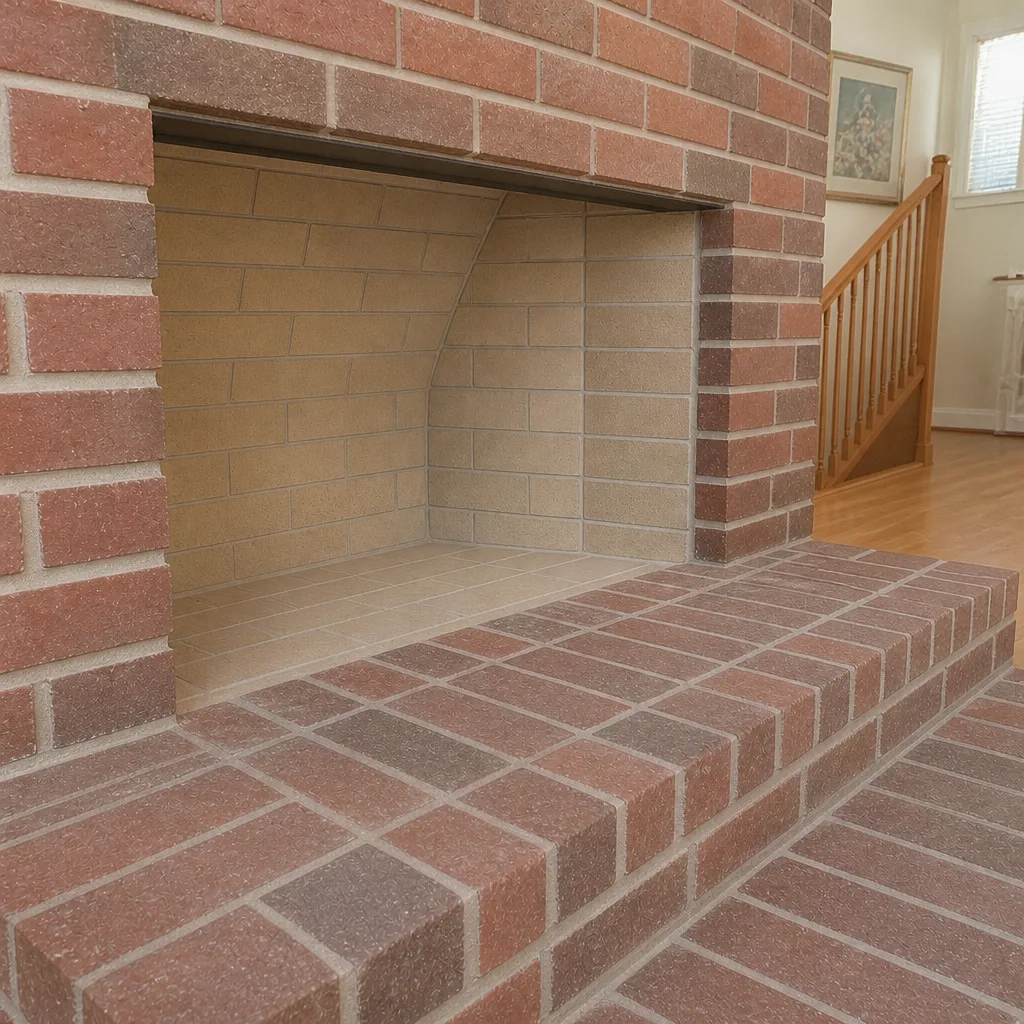
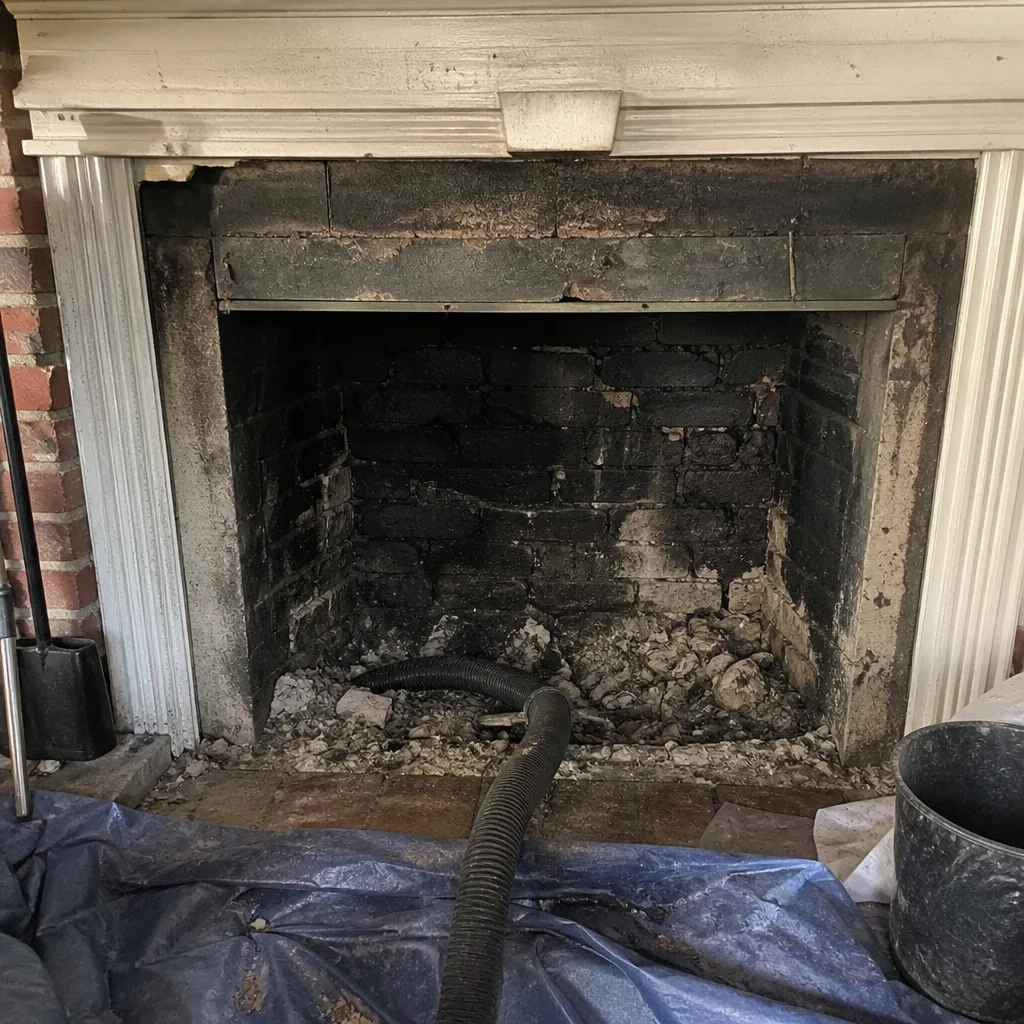
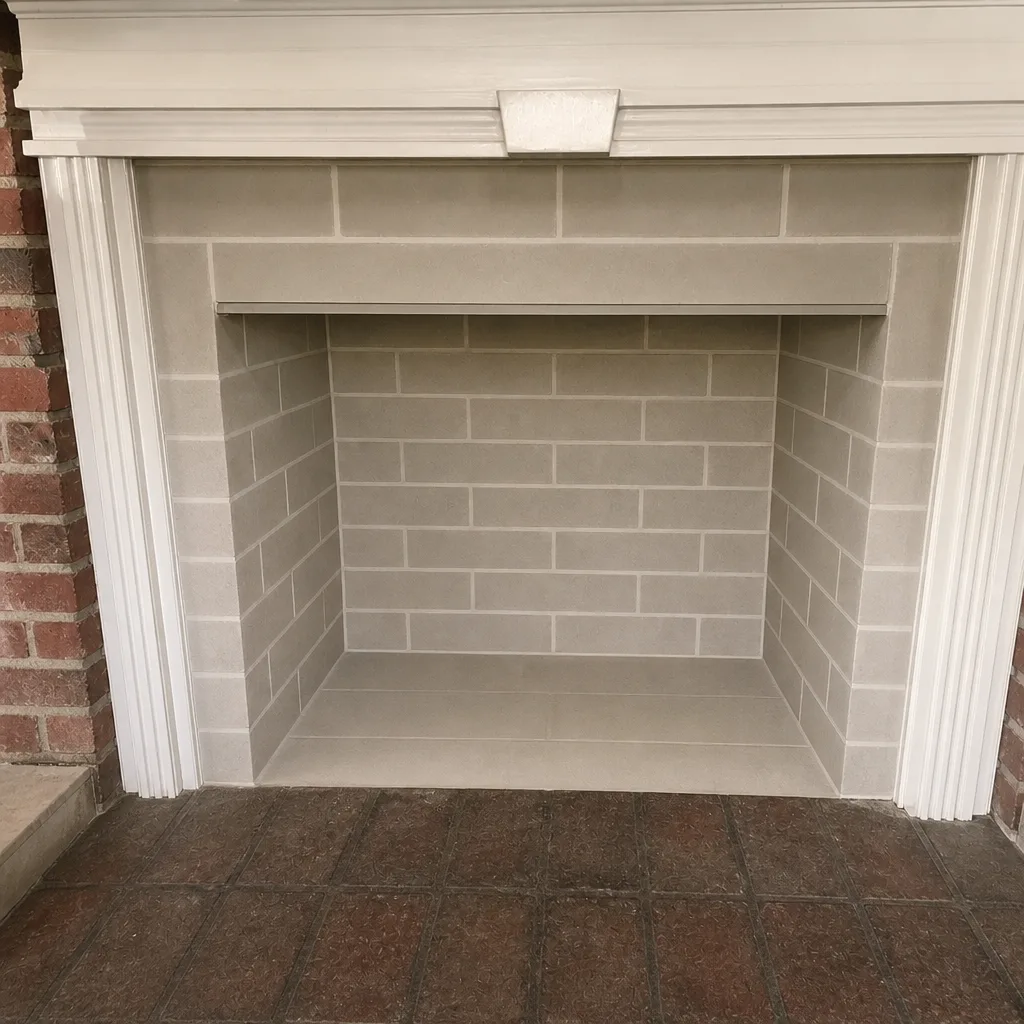
See the difference
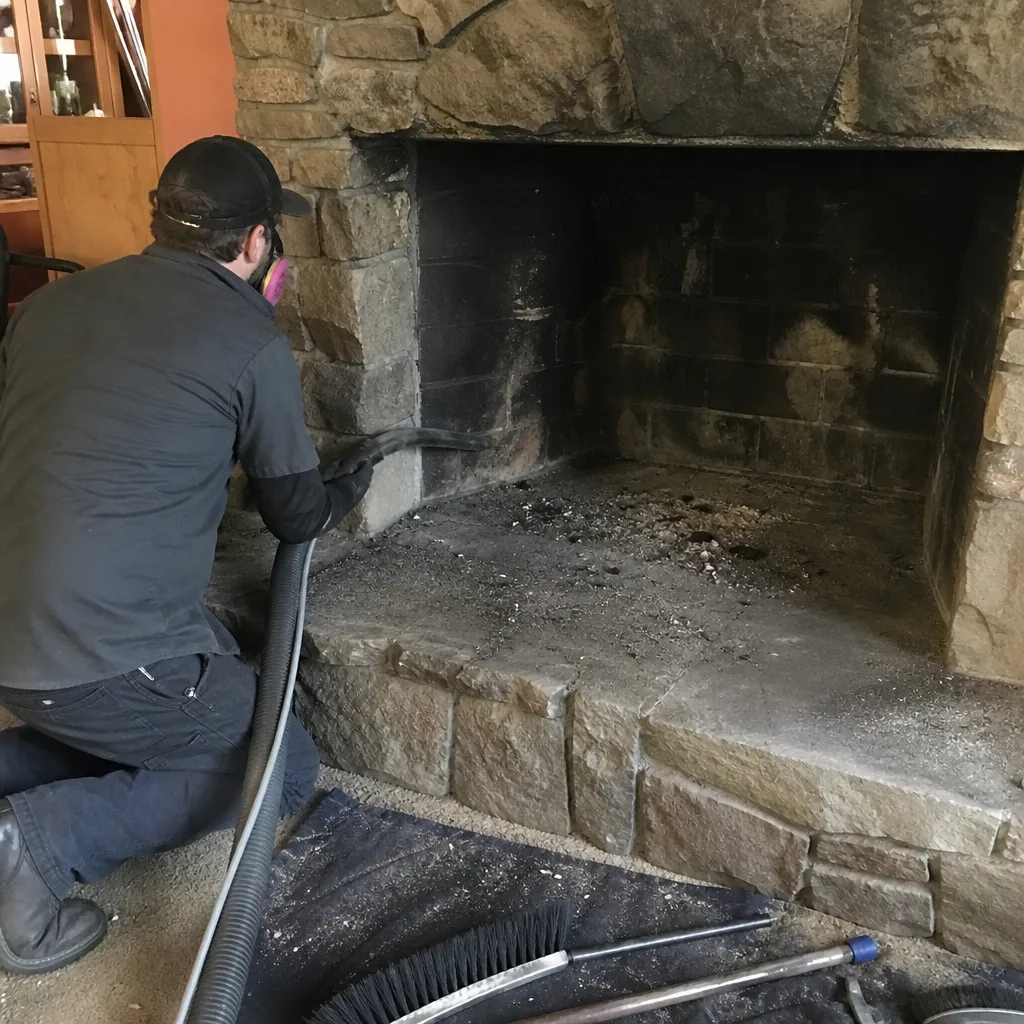 Before
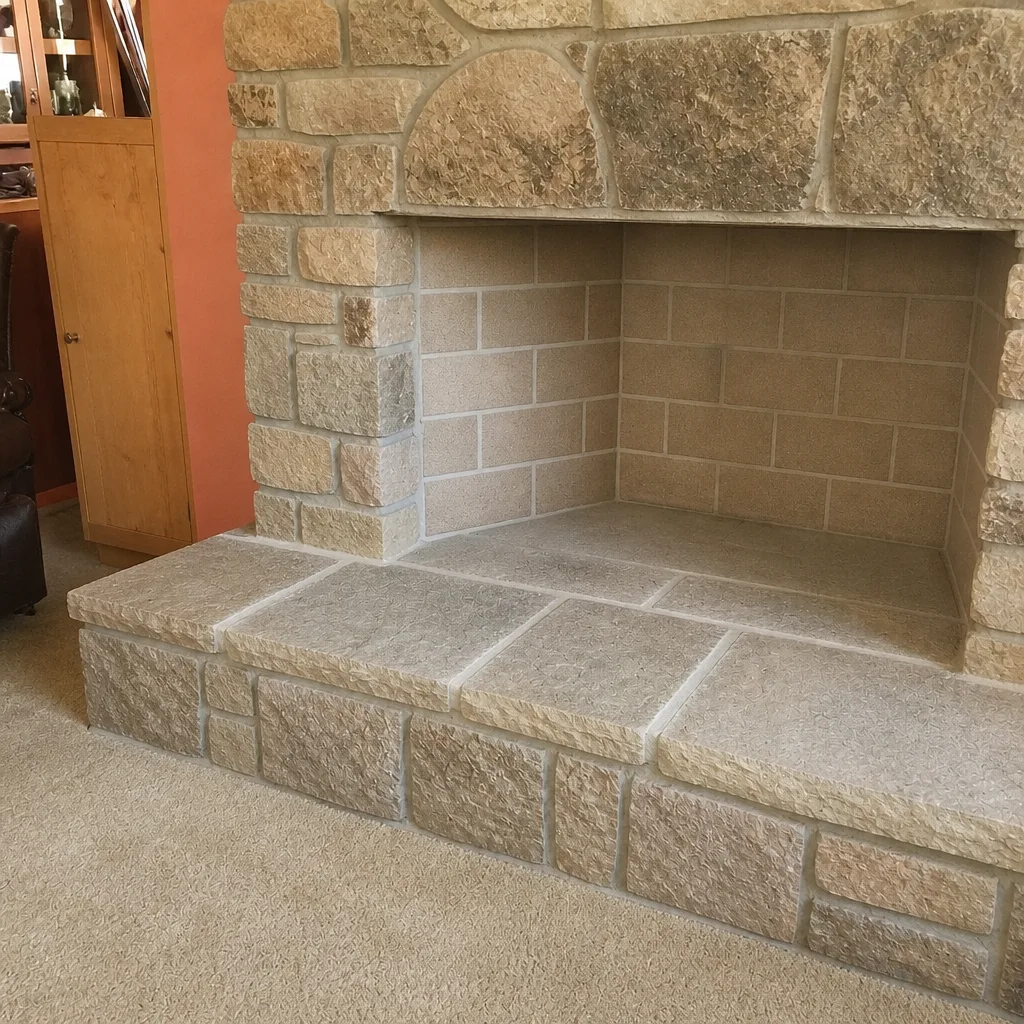 After
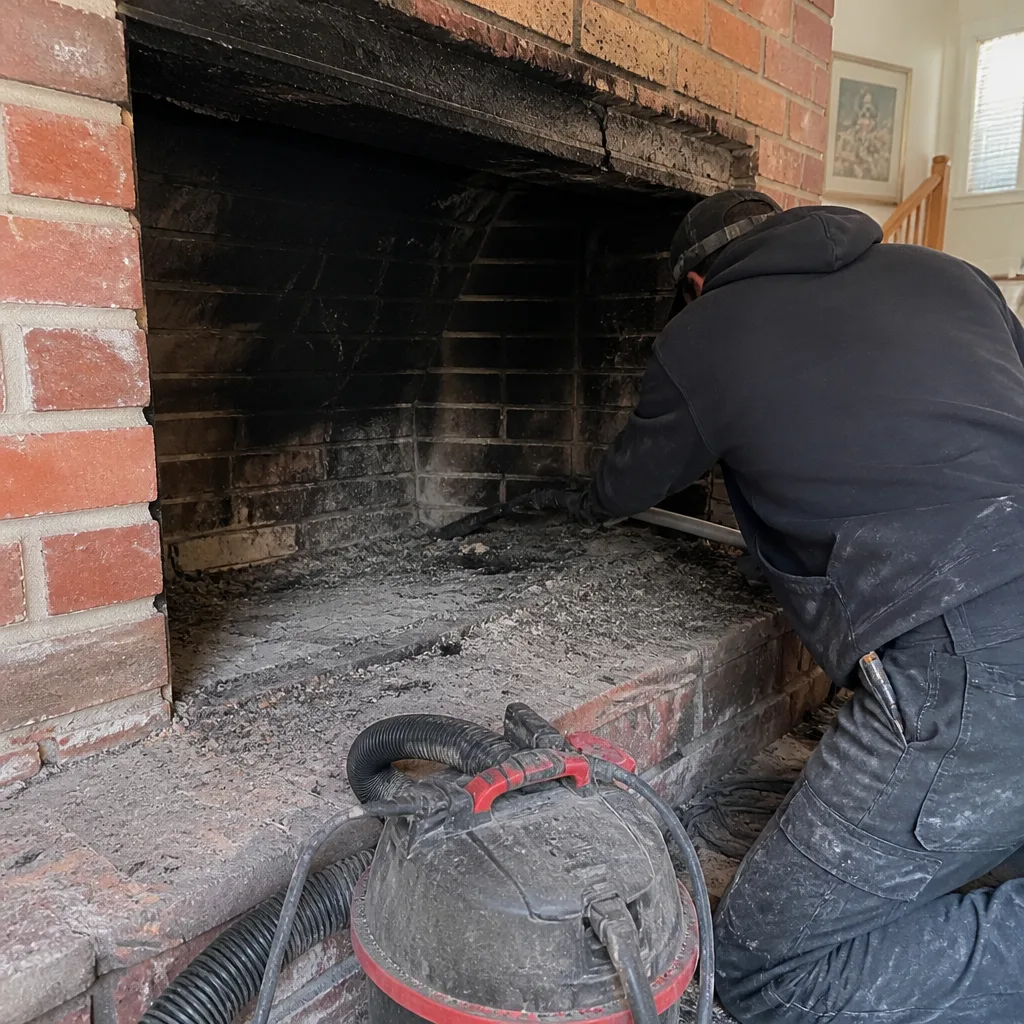 Before
 After
 Before
 After
When to Call a Professional
Some chimney conditions justify immediate professional attention. If you smell a strong, acrid odor when the fire is lit, if smoke backs into the room, if you see cracked or missing mortar on the chimney exterior, or if water is staining the ceiling near the flue, call a professional rather than waiting for the next scheduled sweep. Creosote glazing that’s hardened into a glassy layer on the flue walls is another sign: a brush alone may not remove it, and resurfacing or liner work may be needed. A first-season homeowner who has never had the chimney inspected should book an inspection before the first fire. The same applies to a chimney that sat unused for several years. Chimney Sweep Northgate offers free estimates in Northgate – call (855) 715-0663. We answer 24/7. Fast dispatch from 7am to 7pm, Sunday through Friday.
Frequently Asked Questions
CSIA certification is worth requiring, but it’s the floor, not the ceiling. Washington doesn’t license chimney sweeps as a trade, so CSIA certification is one of the few independent quality signals available. Pair it with the questions in this guide to confirm the contractor works in chimneys full-time and has the equipment and materials to handle more than a basic sweep. Call (855) 715-0663 for a free estimate.
A full-time specialist answers questions about weekly sweep volume, camera equipment, liner brands, and cap and crown work without hesitation. A handyman offering chimney work as a side service typically answers vaguely or pivots to price. Ask the six questions in this guide and listen to whether the answers are direct. Call (855) 715-0663 to book a visit with a dedicated specialist.
A sweep removes creosote and debris from the flue. An inspection evaluates the structural condition of the flue, firebox, cap, crown, and exterior masonry, and produces a written report with photos. A sweep alone won’t reveal a cracked liner. Ask for both in writing. Call (855) 715-0663 – inspections can be booked on their own as an objective assessment.
Pricing depends on the job and is set by a written estimate after an inspection. A sweep costs less than a sweep plus a liner replacement because they’re different pieces of work. What matters more than the price is what’s included: the inspection, the photos, the written report, and the scope. Get a written estimate before any work starts. Call (855) 715-0663 for a free estimate.
No. A clean flue can still be a cracked or damaged one. Sweeping and inspecting are separate steps, and the inspection is what catches the problems a brush can’t. Ask for photos of the flue in the report, and compare them with the technician’s description. Call (855) 715-0663 if you want an inspection booked on its own.
Most wood-burning fireplaces benefit from an annual inspection and cleaning, and Northgate’s heavier burning season makes that schedule more relevant than in milder climates. The exact timing depends on how often you burn, what you burn, and how the fire burns. A specialist walks you through the schedule after seeing the flue. Call (855) 715-0663 for a free estimate.
Yes, because both protect the chimney after the sweep. A missing cap lets water and animals into the flue. A cracked crown lets water into the mortar and the structure. A specialist checks both during the visit and handles repair under the same booking. Call (855) 715-0663 to book a visit that includes a cap and crown check.
The Bottom Line
Hiring a chimney contractor in Northgate comes down to vetting on substance. CSIA certification is the baseline, not the full picture. Ask how many sweeps they do in a week, what equipment they bring, what brands they work with, whether they handle repairs or hand them off, and whether you get a written inspection with photos before any work is recommended. An estimate that’s significantly cheaper than the others probably doesn’t include the labor the others do. Choose the contractor who shows you the evidence and explains what it means. If you want a free estimate from a dedicated chimney specialist, call (855) 715-0663. We answer 24/7. Fast dispatch from 7am to 7pm, Sunday through Friday.
Written by the team at Chimney Sweep Northgate.